REVIEW · PHILIPPINES
Manila Food Tour: Introduction to Philippine Street Food
Book on GetYourGuide →Operated by Explore Manila Tours · Bookable on GetYourGuide
Manila can feel like sensory overload fast. This 3-hour street-food tour helps you get oriented and then taste your way through a real neighborhood without the tourist maze. I like that you’re guided by locals with a warm, human approach, and the food comes in a steady flow you can actually keep up with. One thing to consider: it’s not a light stroll—come hungry, wear comfy shoes, and know it’s not suitable for vegans.
I also love how the tour builds momentum. You start at Starbucks in Mandaluyong, take a short tricycle ride, and then move through multiple local food stops—restaurants, bakeries, and a bar—so you understand what people eat day to day. The main drawback for some people is the weather: it runs rain or shine, so plan for wet conditions if you’re traveling in storm season.
You’ll leave with more than full plates. You’ll pick up insider tips on where to eat and drink in Metro Manila, and you’ll hear food explained with context—what it is, how it’s made, and why it fits Filipino life. If you hate sweet flavors, mention it up front; the guides can adjust what you taste.
In This Review
- Key takeaways before you go
- Why this street-food tour feels different in Manila
- Starbucks meet-up and the tricycle jump-start
- Stops 1 through 4: classic street-food hits at local restaurants
- The bakery stops: where sweet and savory show up fast
- The local bar moment: beer, cooling drinks, and easy conversations
- The sweet finale and the return to California Garden Square
- What you’ll likely taste: 15+ dishes and drinks in plain language
- Price and value: is $60 a good deal?
- Guide energy: Chloe and Jian make the tastings feel personal
- Rain or shine matters more than you think
- Who should book this Manila street-food tour
- Sustainable tourism and community impact in a practical way
- Should you book? My take
- FAQ
- Where is the tour meet-up point?
- How long is the tour?
- What does the tour cost?
- Is hotel pickup and drop-off included?
- What’s included in the price?
- What should I bring?
- Does the tour run in bad weather?
- Is the tour suitable for vegans?
- Is the tour guide language English?
- Can I try adventurous foods on this tour?
Key takeaways before you go
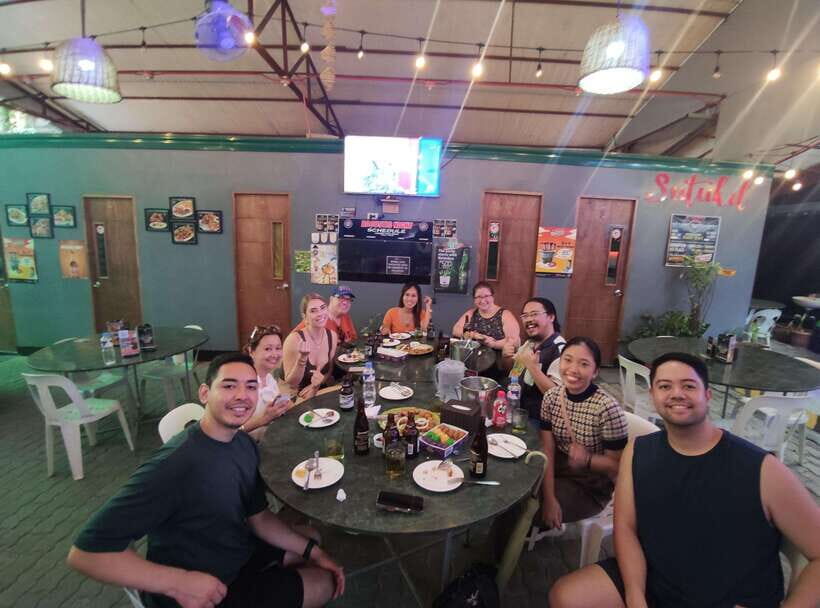
- A real neighborhood route: You’re not limited to a tourist strip; you’ll spend time in places locals actually use.
- 15+ tastings and drinks in 3 hours: You get a lot of variety without needing to plan or chase menus.
- Tricycle start for quick local flavor: A short ride helps you feel the city before you even eat.
- English-speaking guides with personality: Guides like Chloe and Jian bring warmth, storytelling, and practical food knowledge.
- Helpful with adventurous choices: If you want to try balut, your guide can help you track it down during the tour.
- Sweet finish included: The tour ends with a cool, sweet treat to balance savory and grilled bites.
Why this street-food tour feels different in Manila
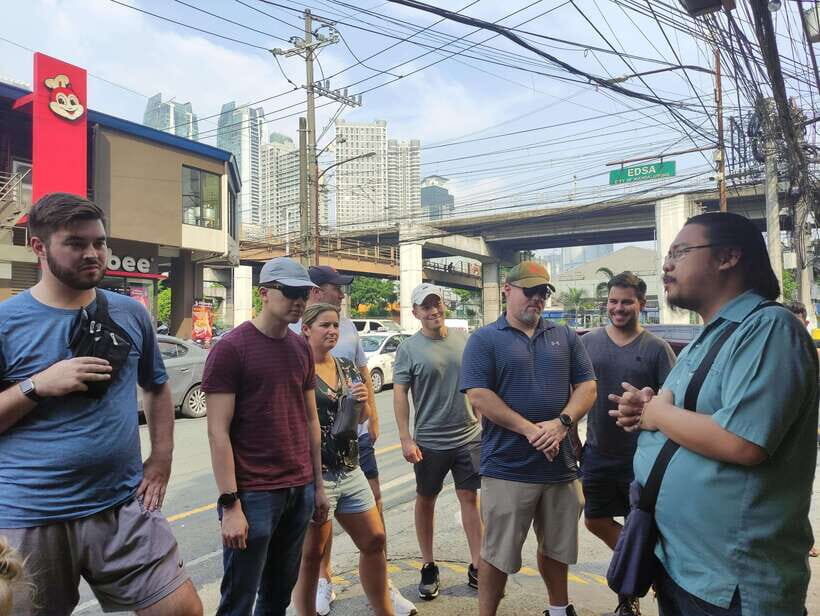
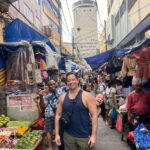
Street food in Manila is amazing, but it can also be chaotic if you arrive with zero local context. This tour solves that by acting like a shortcut: you get guidance, then you eat across a handful of places you’d likely miss on your own.
The best part is the structure. You’re guided through a local neighborhood with multiple stops, so you’re not stuck repeating the same type of food. And because you’re sampling a mix—from steamed dumplings to grilled skewers and fried savory bites—you get a realistic snapshot of what Filipino street food covers.
You can also read our reviews of more food & drink experiences in Philippines
Starbucks meet-up and the tricycle jump-start
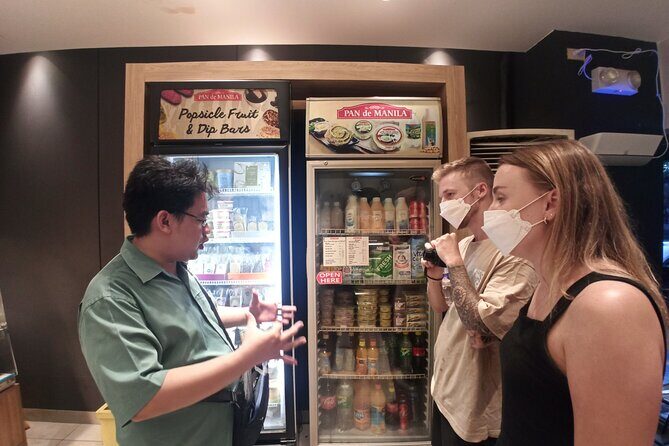
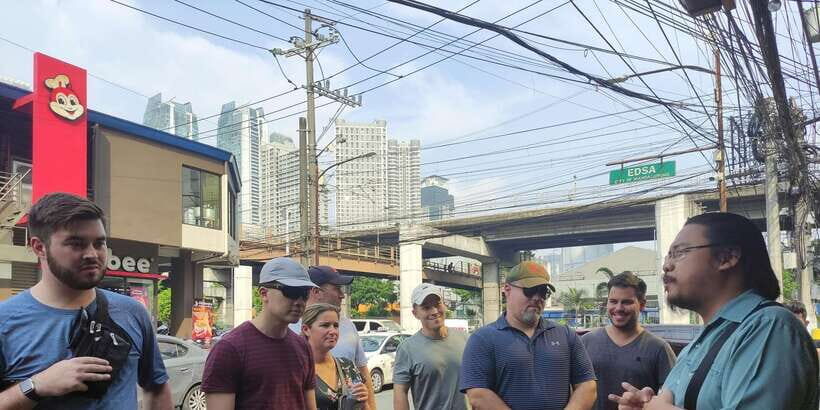
Your tour begins at Starbucks inside California Garden Square, near the main gate in Mandaluyong City. That’s a smart choice for first-timers because it’s a clear meeting point and easy to orient around.
After a quick orientation, you’ll take a short ride by tricycle to the start area for the food. This matters more than it sounds. Tricycles are part of the city’s everyday rhythm, and that first ride gets you moving like a local rather than standing around trying to figure out where to go next.
Practical note: wear comfortable clothes and shoes. The tour runs rain or shine, so you’ll want gear that handles both warm humidity and sudden drizzle without turning the day into a slippery shuffle.
Stops 1 through 4: classic street-food hits at local restaurants
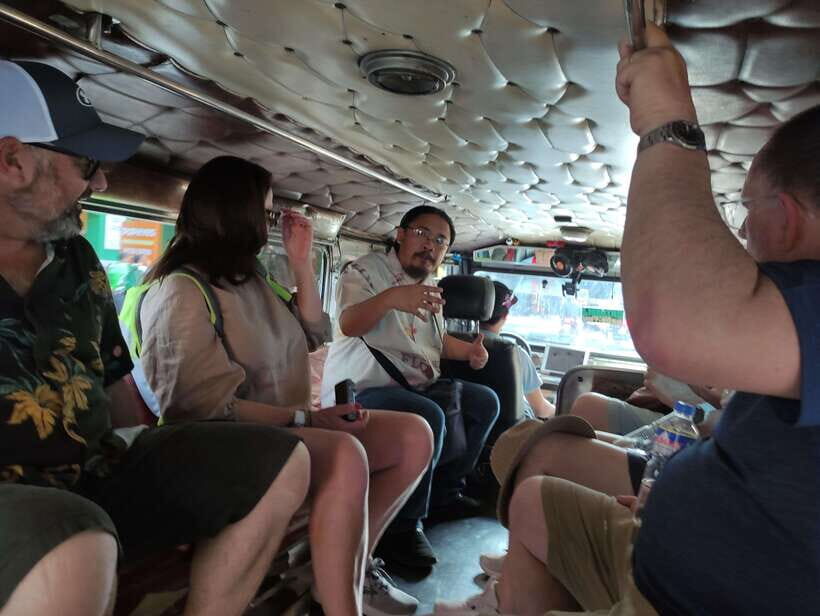
The core of the tour is a sequence of local restaurant tastings. You’ll make multiple restaurant stops, each one with its own style of food and its own pace—so you gradually build an idea of what’s common, what’s special, and what you personally like.
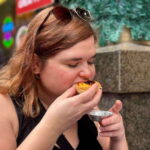
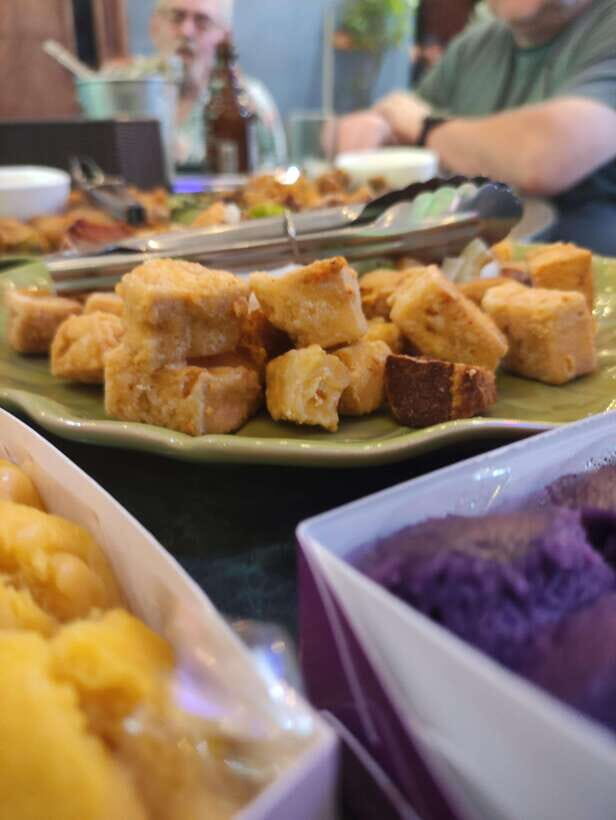
You can expect a range of Filipino street-food classics, including steamed dumplings, grilled meat on skewers, deep-fried savory treats, and sizzling delights. That variety is the point. Street food isn’t one dish; it’s different cooking styles that show up across many vendors and neighborhood eateries.
What I like most is that you don’t have to decide. You just show up hungry, and the guide helps you move through the choices efficiently. For someone who’s worried about ordering, language barriers, or whether a dish is too intense, this kind of guided sampling is a relief.
A small consideration: because the tour includes alcohol and a lot of food, it’s best to go in with energy. If you’re sensitive to spicy flavors or you don’t handle heavy fried foods well, tell your guide early so they can steer you toward what suits you.
The bakery stops: where sweet and savory show up fast
Then the tour shifts into bakeries, with two separate tasting moments built in. This is where you start noticing how Filipino snacks balance comfort with sweetness.
Bakery tastings are also a great break between heavier bites. After grilled and fried items, you get crunch, softness, and dessert-style flavors that feel like a reset for your palate. Even if you’re not a big dessert person, this is often the part where you find something you actually want to carry with you as a repeat snack later.
In the best tours, bakeries aren’t just dessert stops—they’re food education. Here, the goal is to show you how everyday Filipino neighborhoods satisfy cravings throughout the day, not only at night markets or big restaurants.
The local bar moment: beer, cooling drinks, and easy conversations
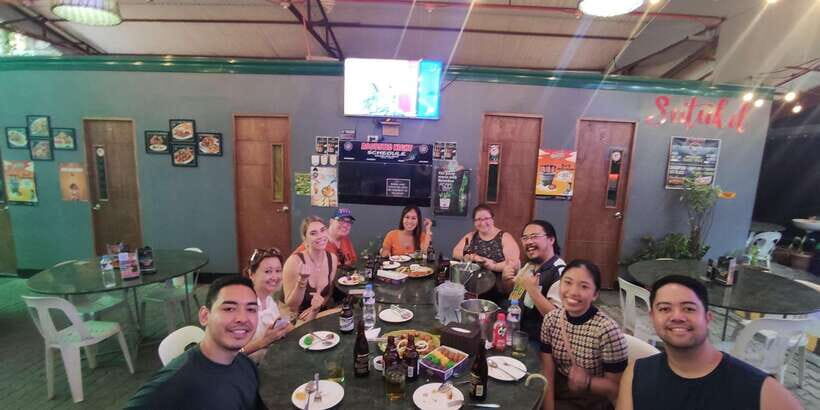
One stop is a local bar where you’ll have beer and additional food tastings. This is a practical inclusion, not a gimmick. If you want to understand street food culture, you need to see how people eat and drink casually in their own routines.
The tour includes both alcoholic and non-alcoholic beverages, along with local juices. That gives you flexibility. If you’re not drinking beer, you can still pair bites with a refreshing local drink, which helps with the rhythm of eating a lot in a short time.
What stands out from guide feedback is how comfortable the vibe feels. Guides like Jian are described as serious food fans who also tell stories—so the bar stop isn’t just about ordering. It’s about learning how Filipino food fits into daily life, and why the flavors make sense.
If you’re the type who likes to ask questions, this section is usually when conversations flow. You can bring up what you liked, what you didn’t, and what you’re curious about trying next.





The sweet finale and the return to California Garden Square
The tour finishes with a nice cool and sweet treat before heading back to the starting point. That timing matters. After 15+ tastings, a sweet finish prevents the experience from feeling one-note or purely savory.
It also gives you a way to compare everything you’ve eaten earlier. You’ll start noticing contrasts—creamy versus fried, savory versus sweet, warm versus cool. That’s how you begin to understand Filipino flavor patterns instead of just collecting random dishes.
Then you return to Starbucks at California Garden Square near the main gate in Mandaluyong City. The return is convenient because it keeps the day simple at the end—no scrambling for a new meeting point or trying to navigate the city while you’re full.
What you’ll likely taste: 15+ dishes and drinks in plain language
The tour’s promise is straightforward: be prepared and come hungry, because you’ll face over 15 dishes and drinks during the 3 hours. Based on the format and what’s specifically mentioned, here’s what to keep in mind.
You’ll likely encounter:
- Steamed dumplings (a softer, comforting start type)
- Grilled meat skewers (smoky, savory, and very street-food)
- Deep-fried savory treats (crispy, snackable, and filling)
- Sizzling delights (hot, fast, and designed to be eaten right away)
- Local juices plus beer (to pair with savory bites)
- Bakery desserts and a cool sweet finale
Because portions are tastings, you should still eat like a normal person elsewhere later—but don’t underestimate how quickly you’ll feel full. The combination of fried and grilled items plus drinks adds up fast.
Price and value: is $60 a good deal?
At $60 per person for a 3-hour tour with 15+ tastings and beverages, the value comes from three places.
First, you’re buying convenience. You don’t have to figure out where to eat, how to order, or whether you’ll end up at places that are “on the way” but not actually good. The tour takes care of the planning.
Second, you’re buying variety. You get multiple categories—restaurants, bakeries, and a bar—in one afternoon. That kind of spread is hard to assemble on your own without wasting time and risking mismatched choices.
Third, you’re buying guidance and local perspective. When guides like Chloe or Jian bring warm storytelling, local know-how, and practical food advice, it changes the experience. It’s not just eating; it’s understanding.
If you’re the type who loves sampling and doesn’t want to spend the day hunting for the best stall, this price usually feels fair. If you prefer fully independent dining with single-chef meals and no group structure, you might find it less appealing.
Guide energy: Chloe and Jian make the tastings feel personal
This tour leans hard on guide personality. Chloe is described as warm, knowledgeable, and entertaining, with the kind of local confidence that turns the night into a real experience rather than a checklist.
Jian is singled out for being a serious foodie who also connects Filipino food to a broader global context. That matters if you like to understand what you’re eating instead of just tasting it. He’s also noted for adjusting the experience if you don’t love sweet food—so you won’t automatically get stuck with desserts you didn’t want.
One standout detail: a guide helping someone find balut during the tour. That’s a great example of how the experience can go beyond the obvious. If you’re curious about trying something bold, ask your guide. They may be able to help you make it happen during the route.
Rain or shine matters more than you think
The tour runs rain or shine. That doesn’t mean it turns into misery—it just means you should prep like it might get wet.
Bring clothes and shoes you can handle in humidity and possible rain. If you’re the type who hates getting damp, a quick pack of a small umbrella or rain layer can save your mood. The good news: the schedule is built around multiple food stops, so you’re not exposed for hours with no indoor breaks.
Who should book this Manila street-food tour
This is a strong fit if you want:
- An easy way to eat well in Metro Manila without getting lost
- A guided route that shows you real neighborhood life
- Lots of variety in a short 3-hour window
- English-speaking help and a guide who talks you through what you’re eating
It’s not a fit if you’re vegan. The tour is specifically noted as not suitable for vegans, and street-food menus tend to rely heavily on animal-based ingredients and broths.
Also consider your comfort with rich flavors. If you know you don’t do well with fried foods, spicy bites, or alcohol-heavy pacing, talk with the guide at the start so they can guide your tastings.
Sustainable tourism and community impact in a practical way
One of the highlights is empowering local communities through sustainable tourism. In practice, that usually means you spend your money at local spots and you get local knowledge that doesn’t rely on “performative” tourist experiences.
You also get a neighborhood route rather than only high-traffic areas. That’s where local businesses benefit most—family-run vendors and everyday food places that depend on community traffic.
Even if you don’t think about sustainability in every purchase, this kind of tour structure nudges your spending into the places people actually live and work. It’s a small choice that can add up.
Should you book? My take
I’d book this tour if you want to eat your way through Filipino street food with less guesswork. The 3-hour format is perfect for a first Manila visit, and the mix of restaurants, bakeries, and a bar means you won’t end up stuck eating the same style of dish.
I’d also book it for the human part. Guides like Chloe and Jian bring real local energy, and the ability to adjust tastings—plus help with adventurous items like balut—makes it feel flexible, not rigid.
I’d skip it if you’re vegan, hate heavy fried foods, or want total independence with no guided structure. But for most food-focused travelers who want authentic neighborhood access, this is a solid value that saves time and boosts your chances of eating well.
FAQ
Where is the tour meet-up point?
Meet up inside the Starbucks near the main gate of California Garden Square in Mandaluyong City.
How long is the tour?
The tour lasts 3 hours.
What does the tour cost?
It costs $60 per person.
Is hotel pickup and drop-off included?
No, hotel pickup and drop-off are not included.
What’s included in the price?
It includes English-speaking tour guide service, bottled water, over 15 food tastings, and alcoholic and non-alcoholic beverages.
What should I bring?
Bring comfortable shoes and comfortable clothes.
Does the tour run in bad weather?
Yes, it runs rain or shine.
Is the tour suitable for vegans?
No, the tour is not suitable for vegans.
Is the tour guide language English?
Yes, the tour is guided in English.
Can I try adventurous foods on this tour?
If you’re interested in adventurous items like balut, your guide can help you find it during the tour.