REVIEW · CEBU CITY
Cebu and Mactan: Twin City Culture and History Half-Day Tour
Book on GetYourGuide →Operated by The Baron Travel Corporation · Bookable on GetYourGuide
Cebu and Mactan tell one story twice. This half-day route links Magellan’s Cross in Cebu with the Liberty Shrine on Mactan, so you can follow centuries of clash, faith, and everyday life in just a few hours. You’ll see major Spanish-era landmarks, then finish with local craft at a guitar factory and the Lapu-Lapu story that still feels alive.
I really like how this tour mixes headline sights with quieter context: Basilica Minore and Fort San Pedro give you the big-picture timeline, while two museums (Casa Gorordo and Museo sa Sugbu) show the human side of Spanish and Filipino influence. I also like that Mactan isn’t only about battle history; the guitar factory makes the stop feel practical and hands-on. One possible drawback: it’s a tight schedule, and since meals and drinks aren’t included, you’ll want to plan for food outside the tour day and expect walking in warm weather.
In This Review
- Key highlights worth your time
- The 5-hour Cebu-to-Mactan route: fast, focused, and packed
- Magellan’s Cross, Basilica Minore, and Fort San Pedro in Cebu
- Two museums that make the Spanish-Filipino blend make sense
- Colon Street and Plaza Parian: the small stops that reset your brain
- Crossing into Mactan: Church of our Lady of the Rule and living belief
- A guitar factory in Mactan and the Liberty Shrine showdown
- Price and value: what $116 really buys you
- Guides, pacing, and the human touch that matters
- Who should book this Cebu and Mactan half-day tour
- Quick tips to get more out of the day
- Should you book this Cebu and Mactan half-day tour?
- FAQ
- How long is the Cebu and Mactan half-day tour?
- What locations does the tour cover?
- What are the main Cebu City stops?
- What will I see on Mactan Island?
- Is hotel pickup and drop-off included?
- Are meals included in the price?
- What language is the tour guide?
Key highlights worth your time
- Magellan’s story in two places: Cebu’s Cross and Mactan’s Liberty Shrine connect in a way that’s easy to remember
- Old Spanish fort energy at Fort San Pedro: coral stone, built from 1565, with the scale you’d expect from a frontline city
- Two museums that explain the vibe: Casa Gorordo for elite lifestyle, Museo sa Sugbu for heritage context
- A real guitar workshop stop: you’ll see how Philippine guitars are made, not just read about them
- Churches that anchor local belief: the Church of our Lady of the Rule is treated like a living part of the local success story
The 5-hour Cebu-to-Mactan route: fast, focused, and packed
This is built as a half-day circuit, so you’re not meant to slow down and linger all day. You’ll start with hotel pickup from Cebu City hotels or Mactan Island resorts, then head through Cebu City sights before crossing over to Mactan. The transfer passes through the industrial city of Mandaue—useful because you get a quick sense that this area isn’t only historical plaques. It’s also manufacturing and everyday work.
The tour is also time-efficient in a smart way: the stops are clustered around the biggest “story points,” then you hop into places that explain what those story points meant. If you’re the type who likes your itinerary to have momentum, you’ll probably enjoy this pace. If you hate rushing or want long museum reading sessions, you may feel the hours move quickly.
You can also read our reviews of more city tours in Cebu City

Magellan’s Cross, Basilica Minore, and Fort San Pedro in Cebu
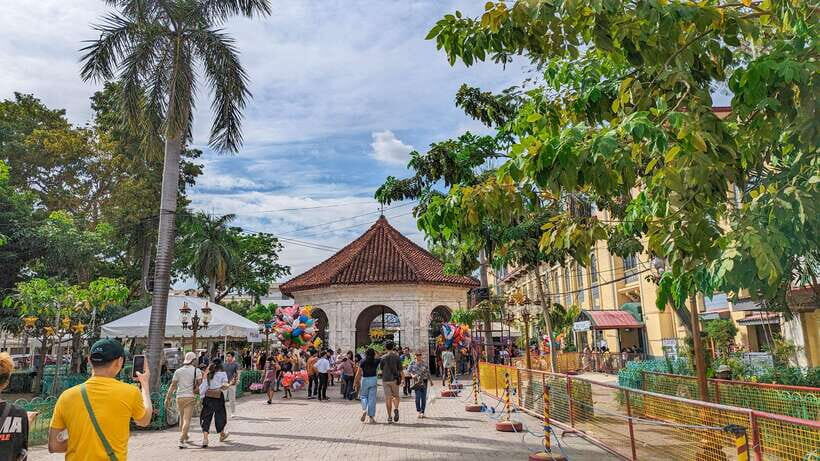
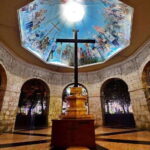
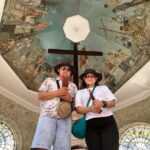
Cebu City is where the tour starts leaning hard into the 1500s. First up is Magellan’s Cross, placed in Cebu City in 1521. The point isn’t just that it’s famous; it’s that it symbolizes Christianization and Spanish rule connected to King Phillip. Standing there, it’s easier to understand why later parts of the tour feel like consequences instead of separate attractions.
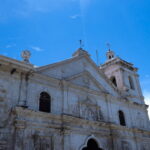
Next comes the Basilica Minore of the Child Jesus, with an image of Jesus as a child. What makes it more than a pretty stop is the backstory: the image is described as a gift from Magellan to Queen Juana, who is noted as the first Christian Filipina. That detail helps you connect religion, power, and politics in the same frame—especially when you remember the tour theme is basically Magellan’s arc.
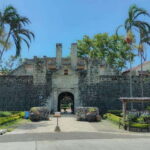
Then you’ll move to Fort San Pedro, which dates to a coral stone fortress originating in 1565. This is the oldest Spanish fort in the Philippines, and the layout gives you that “city protection” feeling in your bones. Forts can be hit-or-miss on tours, but here the age and purpose are clear: it protected the city that became the first Spanish settlement in Asia. I like this stop because it anchors the story in geography. You’re not just hearing about the past—you’re standing in the defensive logic of it.
Practical tip: bring comfy shoes. Even if each stop isn’t huge, you’ll still walk between them, and the pace is steady.
Two museums that make the Spanish-Filipino blend make sense
After the big monuments, the tour adds context with two museums: Casa Gorordo and Museo sa Sugbu. This is a smart balance. Without them, you’d mostly collect dates and names. With them, you start to understand how people actually lived.
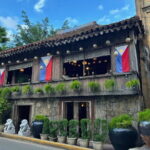
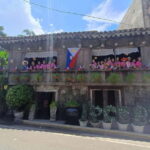
Casa Gorordo is a stop near Plaza Parian, reached after a drive down Colon Street. The museum focuses on the lifestyle of the 18th-century Spanish and Filipino elite. That might sound niche, but it works on a tour like this because you’re seeing the “status and everyday habits” side of the Spanish presence—not only the power side. You’ll likely notice how the museum frames taste, comfort, and home life as part of culture transfer.
Then Museo sa Sugbu completes the heritage layer in Cebu City. While the tour description is brief, the key value is that it keeps you from treating the landmarks like isolated objects. You’re getting a second lens on heritage, which makes later stops in Mactan feel less like a switch and more like a continuation.
If you’re museum-leaning: this is a good dose. It’s not a full afternoon lost to galleries, but it gives you enough to carry the themes home.
Colon Street and Plaza Parian: the small stops that reset your brain
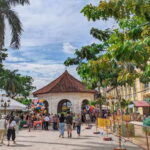
A tour can cram history into every minute, and that usually backfires. Here, there are short transitions that help you absorb what you’ve just seen. The drive down Colon Street to Plaza Parian is one of those reset moments. It’s also practical: you get a quick sense of the city’s rhythm between major landmarks.
At Plaza Parian, you stop briefly at Casa Gorordo. That matters because it prevents the tour from feeling like one long sprint from site to site. Instead, you get mini “breathers” where you can refocus before the next headline location.
Crossing into Mactan: Church of our Lady of the Rule and living belief
Crossing to Mactan Island is where the tone shifts from Spanish-era monuments to a more blended mix of faith and local identity. The tour passes through Mandaue on the way, which is useful because it keeps the day grounded in the present. This area is working industry, not only postcard history.
The first stop on Mactan is the Church of our Lady of the Rule, described as a national shrine. The tour notes that many visitors believe Mactan’s economic success is linked to the church’s namesake. Even if you don’t arrive with a belief system, this is still valuable. It shows you how places gain power in local storytelling—and how a religious site can function like a cultural engine.
You’ll likely find this stop works especially well if you like understanding why certain sites matter beyond architecture. It’s not presented as a dead relic. It’s framed as something people connect to, now.
You can also read our reviews of more historical tours in Cebu City
A guitar factory in Mactan and the Liberty Shrine showdown
This is the most different stop in the itinerary, and that’s a good thing. After the church, you head to a guitar factory to see how Philippine guitars are made. This adds a practical craft dimension to a history-heavy day. Instead of only asking what happened, you also get a look at what people make today—and why that matters for the local economy.
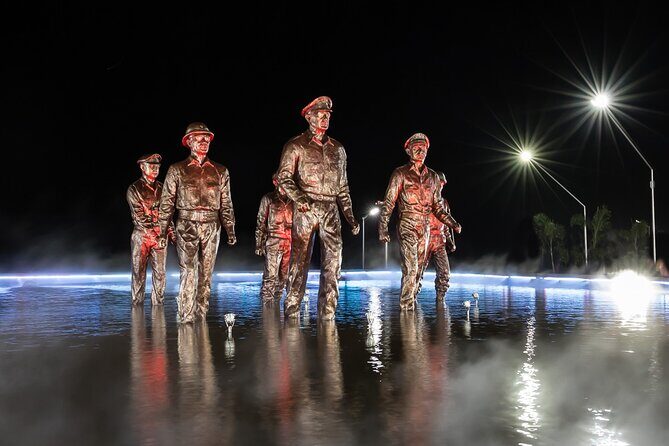
Then the tour finishes with the Liberty Shrine. This is where the Magellan defeat by Mactan chief Datu Lapu-Lapu is remembered. The description is vivid: a larger-than-life statue towers over mangrove trees and the battlefield. The scenery detail matters because the setting helps explain why a coastal island could play such a big role in a world-changing event.
If you like “theme closure,” this ending works. You start with Magellan’s Cross in Cebu and end with the defeat story on the same island chain. It feels like two chapters of one paragraph.
Photo tip: if the light is harsh, aim for shade near the church or tree cover at the shrine. You’ll get better faces and fewer squints.
Price and value: what $116 really buys you
At $116 per person for about 5 hours, the value depends on what you’d otherwise pay and how much you want to avoid planning. This tour includes:
- Hotel pickup/drop-off from Cebu City hotels and Mactan Island resorts listed for the tour
- Transportation and a tour guide
- Entrance and admission fees
That’s the key math. A lot of tours that look similar end up costing extra once you add entry fees and separate transfers. Here, the structure is built to keep you moving through paid sites without hassle.
The only major thing you’ll have to handle yourself is food: meals and drinks aren’t included. So think of the $116 as covering the “culture stops” part of the day, while your personal break for lunch or snacks is on you.
Also note that the tour runs in English with a live guide, which is a big deal for heritage sites where nuance matters.
Guides, pacing, and the human touch that matters
One reason this tour earns a high rating is the way the day gets brought to life by the guide. In particular, I’ve seen how guides like Rosh can turn the stops from names on plaques into a story you can actually follow. There’s also the practical help: Rosh is noted for taking photographs so you can be in them, not just behind the lens.
The driver part matters too. A patient driver like Rydel makes a difference on a schedule that includes multiple sites. If you want a bit more time at one location, you’re more likely to get it without the whole day unraveling.
So when you think about value, it’s not only what you see. It’s how smoothly the day operates while you’re trying to absorb a lot.
Who should book this Cebu and Mactan half-day tour
This tour fits best if you:
- Want a strong first taste of Cebu City plus Mactan without building your own route
- Like big landmarks and at least some context through museums
- Want one hands-on element with the guitar factory
- Prefer an organized guide in English to stitch details together
It may not be the best match if you:
- Hate tight schedules and want lots of free time at each stop
- Expect lunch to be provided and don’t want to plan around meals
Quick tips to get more out of the day
Bring simple basics: water, sun protection, and comfortable shoes. Since the day covers multiple outdoor-facing sites and church areas, being comfortable will make the history easier to enjoy. Also, you’ll receive an email with your exact pickup time and location, so check your spam folder. If you don’t see it, contact the local partner—this tour depends on a smooth hotel pickup.
Should you book this Cebu and Mactan half-day tour?
Yes, if you want a structured Cebu + Mactan day that covers the story beats: Christianization symbolism in Cebu, Spanish fort power, elite-era context through museums, then Mactan’s living faith, local craft, and the Lapu-Lapu ending.
I’d skip it only if you’re the type who needs hours of wandering time, or if you dislike itineraries that feel full. For a 5-hour window, this one is built to give you a lot of meaning per hour—without turning the day into a checklist of disconnected stops.
FAQ
How long is the Cebu and Mactan half-day tour?
The tour lasts 5 hours.
What locations does the tour cover?
It covers Cebu City sights like Magellan’s Cross, Basilica Minore, Fort San Pedro, and two museums, then continues to Mactan Island for the Church of our Lady of the Rule, a guitar factory, and the Liberty Shrine.
What are the main Cebu City stops?
Key stops in Cebu City include Magellan’s Cross, the Basilica Minore of the Child Jesus, Fort San Pedro, Casa Gorordo, and Museo sa Sugbu.
What will I see on Mactan Island?
On Mactan Island, you’ll visit the Church of our Lady of the Rule, a guitar factory, and the Liberty Shrine.
Is hotel pickup and drop-off included?
Yes. Pickup and drop-off are included from the Cebu City hotels and Mactan Island resorts listed for the tour.
Are meals included in the price?
No. Meals and drinks are not included.
What language is the tour guide?
The tour guide provides the tour in English.