REVIEW · CEBU CITY
Mactan and Cebu Twin City Tour with Lunch
Book on GetYourGuide →Operated by Travelite Travel and Tours · Bookable on GetYourGuide
Cebu and Mactan in one day beats planning fatigue. This is a straight-to-the-point way to see the essentials of Cebu City, from Magellan’s Cross to the Basilica of the Holy Child, with enough stops to feel like you actually learned something. I like that the tour is structured so you’re not guessing what to prioritize, and I also like how the sites connect the Spanish-era story to local culture.
The guide matters here, and the reviews back that up. I’d happily follow Miss Belle (Annabelle) for the history and clear explanations, and I also love that the driver, Carlo, handles the traffic with confidence—big points in Cebu where getting across town can take longer than you expect.
One possible drawback: it’s a 7-hour day with a lot of getting in and out of the vehicle, so if you dislike long travel legs or walking at temples, you’ll want to pace yourself and wear good shoes.
In This Review
- Key things I’d focus on
- Cebu City’s 16th-century core: where the tour really earns its keep
- Fort San Pedro and the feeling of older Cebu
- Yap Ancestral House: antiques, family legacy, and a slower pace
- Cebu Taoist Temple and the viewpoint payoff over the city
- Lunch in Cebu: what’s included and what to expect
- Crossing to Mactan via Marcelo Fernan Bridge
- Lapu-Lapu shrine: the Mactan stop you came for
- Traditional Philippine guitar factory: local craft you can actually see
- The tour guide and driver combo: why reviews keep repeating the same names
- Is $116 per person good value for this Cebu and Mactan day?
- Who this tour suits best
- Should you book this Mactan and Cebu Twin City Tour?
- FAQ
- How long is the Mactan and Cebu Twin City Tour with Lunch?
- Where does hotel pickup happen?
- What are the main stops on the tour?
- Is lunch included?
- What is included in the tour price?
- What languages are the guides available in?
- Is this a private group tour?
- Do I need to pay admission fees separately?
- Is there free cancellation?
- Can I book now and pay later?
Key things I’d focus on
- First stop magic: Magellan’s Cross and the Holy Child Basilica are right next to each other, so you get major landmarks fast.
- Antiques with personality: Yap Ancestral House gives you a window into family legacy, not just photo ops.
- Viewpoint stop: Cebu Taoist Temple lets you see Cebu City plus nearby Mandaue and Lapu-Lapu from above.
- A real local craft: A traditional Philippine guitar factory shows you how these instruments are made.
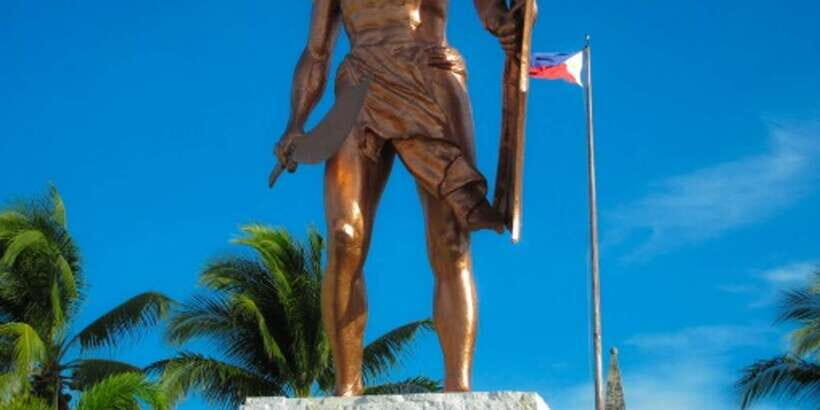
- Mactan’s centerpiece: The Lapu-Lapu shrine features a 20-meter bronze statue and brings the island story into focus.
Cebu City’s 16th-century core: where the tour really earns its keep
This tour is built around Cebu City’s claim to fame: it’s the oldest city in the Philippines. That matters because a lot of Cebu’s “modern” look sits on top of layered Spanish-era landmarks. Instead of bouncing randomly, you move through the city in a logical sequence—starting with the most famous Catholic site and working your way toward other historic and cultural stops.
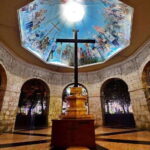
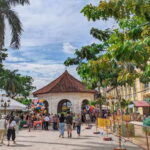
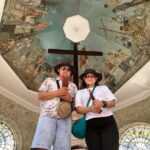
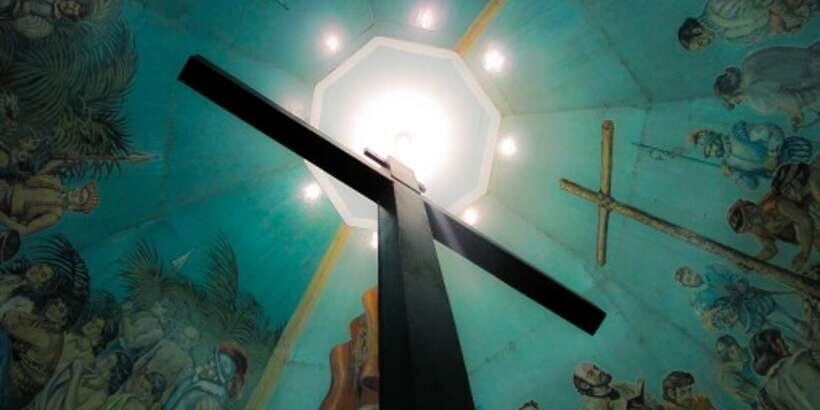
The day begins at Magellan’s Cross, housed in a chapel. The cross is said to have been planted by Ferdinand Magellan when he arrived in the Philippines, so even if you’re not into colonial history, it’s the kind of landmark that tells you how the story started. This is one of those stops where you’re really looking at a symbol—more than just a building—and the guide’s explanation helps you understand why locals still treat it as meaningful.
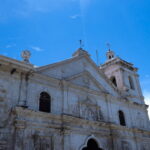
A few steps away is the Basilica of the Holy Child. This Augustinian church was made a basilica in 1965 during the 400th year celebrations of Christianity in the Philippines. You’ll see the figure of the Holy Child of Cebu, described as the country’s oldest relic. Practically, this pairing is smart: the locations are close together, and the architecture feels connected even though one stop is more about a cross and the other is about the relic and church history. If you want a “big ticket” cultural experience without a huge time sink, this is it.
You can also read our reviews of more city tours in Cebu City

Fort San Pedro and the feeling of older Cebu
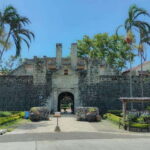
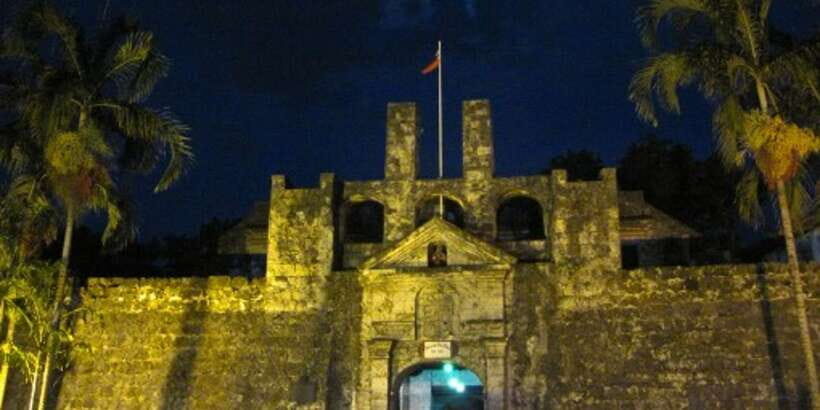
From the church area, you head to Fort San Pedro. It was built by Spanish and indigenous Cebuano laborers, which is an important detail: it isn’t just a Spanish fort dropped into place, it’s a local-built structure tied to shared history. You’ll likely get a clearer sense of why Cebu mattered as a port and trading hub once you’ve stood in that fort space and heard how Spanish and local communities intersected.
This is also where a good guide changes the tour quality. In the reviews, Miss Belle (Annabelle) and Liz both came up as strong explainers—clear, friendly, and organized. That kind of guiding is what turns “I saw a fort” into “I get what this fort did.”
Yap Ancestral House: antiques, family legacy, and a slower pace
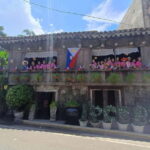
After the main religious and fort stops, the tour shifts to a more human scale at Yap Ancestral House. This is described as a 300-year-old home now converted into a place showcasing a personal collection of antiques. That phrasing matters. You’re not looking at an abstract museum display—you’re seeing how one family’s history and objects were kept and collected over generations.
This stop is great when your trip needs a break from churches and forts. It slows the day down just enough for photos, and it gives you something tangible: you can look at what people kept, how they lived, and what they valued. If you’re the kind of traveler who likes details—furniture, objects, everyday artifacts—this is one of the most rewarding moments in the itinerary.
That also makes it a practical advice stop for you: take your time here. You’ll be tempted to rush because the rest of the day sounds packed, but this is a place where lingering helps you actually absorb the story.
Cebu Taoist Temple and the viewpoint payoff over the city
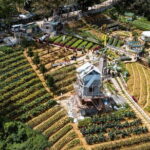
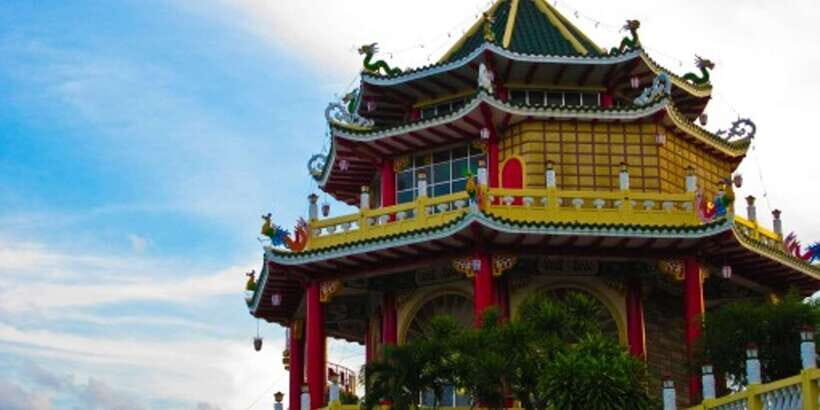
Next comes the Cebu Taoist Temple. You’ll visit the temple and then take in a view of Cebu City along with nearby cities including Mandaue and Lapu-Lapu. Even if you don’t usually care about viewpoints, this one is useful because it helps you “place” everything else.
Here’s why: after you’ve spent the morning in historic downtown Cebu, it’s easy to think the city is just what you see at street level. The view gives you context for the geography—where Mactan sits across the water and how the metro area spreads. It’s also a nice mental reset before lunch and before the cross-island move.
If you’re sensitive to stairs or uneven paths, this is the one part where you should judge your comfort level early. The data doesn’t specify how strenuous it is, so treat this as a mild-to-moderate walking stop, and wear shoes you trust.
Lunch in Cebu: what’s included and what to expect
After the Taoist Temple, you’ll have lunch at a local restaurant. Lunch is included only if you choose that option. That’s a small but important detail, because it affects your overall value.
One review mentioned a buffet called PUSO, with staff described as attentive and going out of their way. You shouldn’t count on the same exact restaurant every time based on a single comment, but it does reinforce the idea that lunch isn’t treated like a rushed add-on. Still, you should plan like a grown-up traveler: bring water if you’re the type who gets thirsty quickly. Drinks aren’t included, and snacks aren’t included either.
A few more Cebu City tours and experiences worth a look


Crossing to Mactan via Marcelo Fernan Bridge
After lunch, the tour moves to Mactan Island using Marcelo Fernan Bridge, connecting Cebu City and Mactan Island. This is a practical moment in the itinerary: you get transportation handled for you, so you’re not trying to figure out timing or routes mid-day.
It’s also where the “twin city” concept becomes real. Cebu City is where the colonial-era landmarks cluster. Mactan is where a different kind of story plays out—especially around indigenous history.
And yes, traffic can matter. The reviews specifically mention Carlo navigating Cebu’s traffic well. That’s not a minor detail; it can be the difference between arriving on schedule and feeling like your day is collapsing into delays.
Lapu-Lapu shrine: the Mactan stop you came for
Your first Mactan stop is the Lapu-Lapu shrine, featuring a 20-meter bronze statue built in honor of indigenous hero Datu Lapu-Lapu. This statue is the centerpiece. It’s big enough to function as a landmark even before you hear the explanation, and it gives you that “okay, this is a turning point” feeling that you don’t always get from smaller plaques.
Why this matters for your trip: Cebu’s early history is strongly tied to Magellan, but the Lapu-Lapu story brings balance by centering resistance and indigenous leadership. The contrast between the Cebu City religious landmarks and this Mactan monument is one of the most meaningful ways the tour tells its story.
If you’re doing a Cebu trip with limited time, this stop is worth prioritizing because it shifts the emphasis away from only Spanish-era sites.
Traditional Philippine guitar factory: local craft you can actually see
Before you’re dropped back at your hotel, you’ll visit a local guitar factory to see how traditional Philippine guitars are made. This is one of those experiences that feels “small” on paper, but it gives you something different from all the historic landmarks.
You’ll likely appreciate it most if you enjoy making things with your eyes—watching hands at work, learning how materials turn into instruments, and understanding that local craft is its own form of culture. The tour doesn’t promise a deep class-like workshop format based on the provided info, but it does promise a look at the process, which is exactly what you want from a half-day-style addition.
The tour guide and driver combo: why reviews keep repeating the same names
Across the reviews, the quality of guiding comes up again and again. Miss Belle (Annabelle) is praised for history knowledge and a fun, friendly delivery style. Liz is also singled out for being lovely, knowledgeable in her explanations, and good at sharing culture and everyday life on Cebu. On the road side, Carlo is repeatedly mentioned for professionalism and smooth navigation through traffic.
For you, that translates into a simple takeaway: this isn’t just a checklist tour. A strong guide helps connect the dots between stops—forts, churches, homes, temples, and monuments—so you leave with a coherent sense of how Cebu and Mactan relate.
Is $116 per person good value for this Cebu and Mactan day?
At $116 per person for a 7-hour private group tour, the best way to judge value is by what’s included. You get hotel pickup and drop-off, transportation, a tour guide, entrance and admission fees, and lunch if you choose the lunch option.
That package can be a solid deal if you hate figuring out logistics. Getting around across Cebu City and Mactan, plus paying admission at multiple stops, adds up quickly on your own. Also, the fact that transportation is rated highly (with 91% of reviewers giving it a perfect score) suggests you’re not just paying for sightseeing—you’re paying for a day that runs smoothly.
It may be less appealing if you’re the kind of traveler who already knows how to independently move between these exact landmarks and you’re comfortable estimating travel time through Cebu traffic. But if you prefer a guided structure, this pricing feels closer to “buying time and clarity” than “paying for tickets.”
Who this tour suits best
This one is especially good for:
- First-timers who want a tight overview of Cebu City’s major historic sites plus Mactan’s key monument
- Travelers who like a mix of landmarks and cultural stops like the antiques house and guitar factory
- People who want a guide that can explain history in plain language while keeping the day organized
If you prefer slow travel, lots of free time, or spending long stretches in one place, you might find the schedule a bit brisk. It’s designed for seeing several highlights, not for lingering all day.
Should you book this Mactan and Cebu Twin City Tour?
I’d book it if you want one day that hits the must-see sites in Cebu City and Mactan Island without you coordinating routes, admissions, and timing. The combination of Magellan’s Cross, the Basilica of the Holy Child, Fort San Pedro, Yap Ancestral House, and the viewpoint at Cebu Taoist Temple—then finishing with the Lapu-Lapu shrine and a guitar factory—creates a full story arc for a first visit.
Skip it (or at least consider alternatives) if you hate long ride segments or you only want one type of attraction (like only churches, or only beaches). This tour is intentionally balanced between history and culture.
Bottom line: for a well-guided, structured twin-city day, this is a strong value option, and the guide-driver pairing seems to be the secret ingredient that makes it land well.
FAQ
How long is the Mactan and Cebu Twin City Tour with Lunch?
The tour duration is 7 hours.
Where does hotel pickup happen?
Pickup is included from your hotel in Cebu City.
What are the main stops on the tour?
You’ll visit Magellan’s Cross, the Basilica of the Holy Child, Fort San Pedro, Yap Ancestral House, Cebu Taoist Temple, the Lapu-Lapu shrine, and a local guitar factory.
Is lunch included?
Lunch is included if you choose the lunch option. Snacks and drinks are not included.
What is included in the tour price?
Included items are hotel pick-up and drop-off, transportation, tour guide, entrance and admission fees, and lunch if you select that option.
What languages are the guides available in?
The live tour guide is available in English and Japanese.
Is this a private group tour?
Yes, the group type is listed as private group.
Do I need to pay admission fees separately?
No. Entrance and admission fees are included.
Is there free cancellation?
Yes, there is free cancellation up to 24 hours in advance for a full refund.
Can I book now and pay later?
The listing offers reserve now & pay later, so you can book your spot and pay nothing today.