REVIEW · MANILA
Bataan Death March memorial tour
Book on Viator →Operated by Jb Quemado · Bookable on Viator
A memorial drive with real stories. On this private Bataan Death March memorial day, you start at the Mount Samat National Shrine and move through key WWII sites tied to the 1942 story of the Philippines, with guide JB Quemado and his team. I like the private format because you can ask questions and steer the focus, not just follow a big bus schedule.
I also like that the day is built around admission included stops, including the Bataan World War II Museum and Capas National Shrine, plus a free hour at the Bamban Museum of History. One drawback to keep in mind: the route can run differently than you might expect, and Mount Samat is closed on Mondays, which can affect the day’s flow.
In This Review
- Key Highlights to Know Before You Go
- Why This Memorial Tour Feels Personal, Not Scripted
- The One-Day Route: A Long Drive With Built-In Stops
- Mount Samat National Shrine: The Morning Start at Dambana ng Kagitingan
- Bataan World War II Museum: A Short Stop at the USAFFE Surrender Site
- Capas National Shrine (Camp O Donnell): When the Drive Turns Heavy
- Bamban Museum of History: Free Entry, Curator-Led Storytelling That Stays With You
- Price and Value: $350 Per Group (Up to 4) Makes It a Real Private Deal
- Guide Style, Customization, and How to Avoid a Frustrating Day
- Practical Tips for a Day You’ll Feel
- Should You Book the Bataan Death March Memorial Tour?
- FAQ
- What time does the Bataan Death March memorial tour start?
- How long is the tour?
- How much is the tour?
- Does the tour include hotel pickup in Manila?
- Is this a private tour?
- What are the main stops on the itinerary?
- Is Mount Samat open every day?
Key Highlights to Know Before You Go
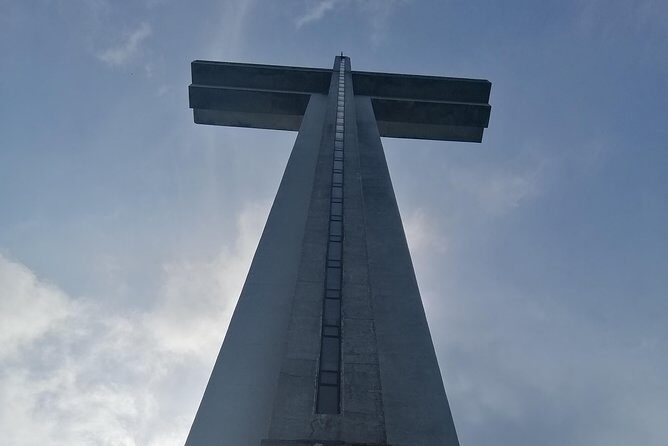
- Mount Samat National Shrine (Dambana ng Kagitingan): admission included, about an hour, and it’s a strong start for remembrance
- Bataan World War II Museum: a focused stop at the USAFFE surrender site in 1942
- Capas National Shrine (Camp O Donnell): short but heavy, built around the Filipino POW story in 1942
- Bamban Museum of History: free entry, about an hour, with a curator sharing local relics and stories
- Private day up to 4 people: you get hotel-area pickup and a guide who can customize the pacing
Why This Memorial Tour Feels Personal, Not Scripted
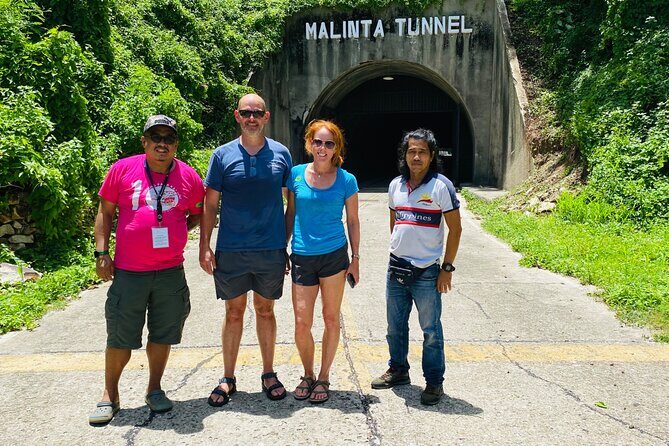
This is one of those days that asks for your full attention. The point isn’t sightseeing for its own sake. It’s about paying respect and learning how the Bataan Death March connects to what happened to Filipino and American forces in World War II, through the places that still carry the story.
What makes it stand out is the way your guide brings it down to human scale. In the feedback I saw, guides were praised for sharing family-linked perspectives, including stories connected to a grandfather who participated in the march and later lived through the POW experience. That lens matters. You get more than names on plaques.
The tour also keeps the learning grounded in actual locations. You won’t just hear facts in a car. You stop at memorials and museums, with guided context at each stop. That helps the day land where it should, even if you’re coming in knowing only the basics.
You can also read our reviews of more tours and experiences in Manila.


The One-Day Route: A Long Drive With Built-In Stops
The day runs about 10 hours, starting at 7:00 am. It’s a long stretch. There’s real drive time between Manila and the WWII sites. The tradeoff is that you get a tight sequence of emotionally weighty places rather than scattering your time across the region.
This is a private tour for your group only (up to 4 people). That matters because private time turns “learning” into a conversation. You can ask follow-ups when something hits you. You can also request a slightly different pace if your group needs a break.
One practical thing: the day includes transfer pickup from hotels in the Manila area. So you’re not spending your morning coordinating transportation. You’re just showing up, letting the route do its work, and saving your mental energy for the sites themselves.
Mount Samat National Shrine: The Morning Start at Dambana ng Kagitingan
Your first stop is Mount Samat National Shrine – Dambana ng Kagitingan. It’s about 1 hour and admission is included. The shrine is described as a place to commemorate those who fought in World War 2, so it sets the tone right away.
It’s also the kind of stop where views add meaning. Several people pointed out the scenic side of Mount Samat, and that combination can be surprisingly powerful: you get a physical sense of “this is where the story sits,” not just a museum room with photos.
One timing warning is important: Mount Samat is closed on Mondays. If you’re planning a Monday trip, you should ask how the guide intends to handle that. The tour may still run, but the order and emphasis could change.
Bataan World War II Museum: A Short Stop at the USAFFE Surrender Site
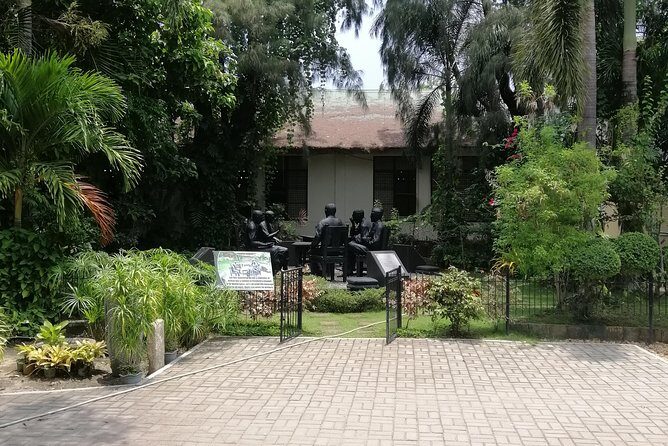
Next up is the Bataan World War II Museum, scheduled for about 30 minutes with admission included. The museum is specifically tied to the surrender site of USAFFE forces in 1942.
This is the kind of museum visit that works best when you keep your expectations realistic. Thirty minutes isn’t for reading every label word-for-word. It’s for grasping the big picture, seeing the memorial context, and letting your guide point you to the moments that matter most.
If you like your history straight and place-based, this stop is a good anchor. It connects the broader WWII narrative to a precise moment in time, and your guide’s commentary helps you connect it to what you’ll see later in the day.
Capas National Shrine (Camp O Donnell): When the Drive Turns Heavy
After that, the itinerary shifts to Capas National Shrine, formerly known as Camp O Donnell, described as the concentration camp for Filipino POWs in 1942. You get about 30 minutes, and admission is included.
This is not a long stop. That’s partly what makes it feel sharp. You’re not touring around for an hour and a half trying to absorb everything at once. You arrive, you learn what this place represents, and you move on—still carrying it with you.
In the feedback, people often called the whole day “traumatic” or “worthwhile, engrossing,” and this stop is likely one of the main reasons. Even if you come with general WWII knowledge, seeing how the story is tied to this specific camp site can be difficult in the best way: it sticks.



Bamban Museum of History: Free Entry, Curator-Led Storytelling That Stays With You
The last stop is the Bamban Museum of History for about 1 hour. Admission is listed as free, and the museum is described as private and curated, with relics from the area and a curator who shares stories about the places and personalities connected to what happened.
If you care about how local history gets told, this stop is a big deal. It’s not just objects on shelves. The curator’s explanations help you understand why the relics matter, and that human layer often turns a museum visit from “interesting” into “I’ll remember this later.”
Several people also praised this part of the day as especially impressive, with one comment calling it out as something they thought was worth every bit of the time. That aligns with the structure: you end on a narrative-driven museum stop with a guided voice right there.
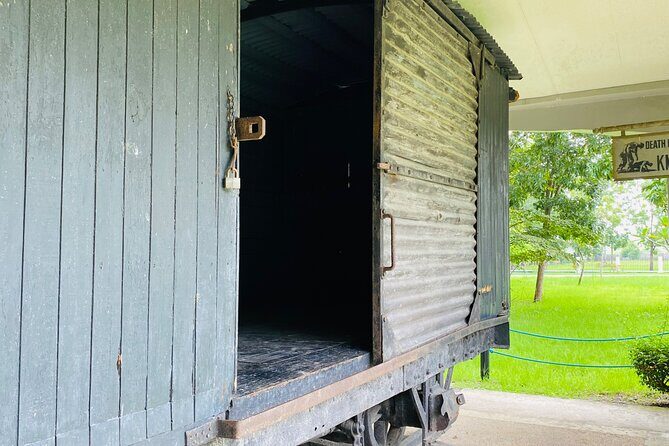
One more note from the feedback: people mentioned seeing a replica cart used to transport American WWII prisoners during the march. Even if you’re not sure where it appears in the route, keep your eyes open. Displays like that can make the story feel tangible, and the emotional impact can be immediate.
Price and Value: $350 Per Group (Up to 4) Makes It a Real Private Deal
The price is $350 per group, up to 4 people. That’s not a per-person rate, so your cost per person drops quickly if you have a full group.
What you get matters for value. The day isn’t just “a car and a driver.” It includes transfers from hotels in the Manila area, plus admission tickets for the Mount Samat shrine, Bataan World War II Museum, and Capas National Shrine. Bamban Museum of History is free. You also get a private setup with the guide available for customized focus.
So the question isn’t only whether the price is “low.” It’s whether it replaces multiple separate outings. For people who want one structured day that covers the main memorial sites without coordination stress, this pricing can feel fair.
Guide Style, Customization, and How to Avoid a Frustrating Day
Customization is part of the tour promise. That means you should treat the guide as your main tool for shaping the day—where you linger, which questions you ask, and how you connect the dots between sites.
In the feedback, guides were praised for communication and for connecting the march to family or personal context. People also credited specific guides by name, including JB Quemado, plus mentions of Vincent and Ferdinand Contereras in different reports. That suggests the provider is putting real effort into the human side of the experience, not just scheduling.
That said, there was a serious complaint about planning and emphasis. The core issues raised were that the route felt “backwards” compared to expectations, some key locations weren’t pointed out clearly, and the guide couldn’t answer deeper questions.
How do you protect your day from that? Two practical moves:
- Ask the guide what the sequence is going to be that morning, then confirm the big stops you want most.
- Come with a few question prompts so you can get what you’re after even if the day’s pacing shifts.
There’s also one logistical caution mentioned in the response to that complaint: a San Fernando station was said to be under construction since December 2022, and the route could adjust around that. Another note mentioned that stops like 0 km might be added or skipped depending on what you say you want. So speak up early.
Practical Tips for a Day You’ll Feel
This is a morning-start, long-drive day. If you’re prone to getting tired before midday, plan food and water timing carefully. Wear shoes you can walk in comfortably for the shrine and museum stops.
Also: this is a memorial experience. Keep your phone behavior respectful, especially at the memorial-focused sites. You don’t need to turn it into a silent retreat, but the tone should stay careful.
If your group includes kids or teens, consider what you’re aiming for. One comment highlighted a tour where a guide’s connection to family history made the day meaningful even for a grandson. In other words, this can work across ages when the guide is willing to explain clearly and tie facts to real people.
Should You Book the Bataan Death March Memorial Tour?
Book it if you want one focused, private day that ties together the major WWII sites connected to the Bataan Death March story: Mount Samat, the WWII museum at the 1942 surrender site, Capas (Camp O Donnell), and a curator-led Bamban museum visit that brings local relics into the conversation.
Skip it (or at least adjust expectations) if you’re looking for a light, casual outing or if you need a strictly fixed order with zero flexibility. The tour can involve changes in route emphasis, and Mount Samat’s Monday closure can affect the plan.
Most importantly, book it if you’re ready for a day that’s heavier than a normal sightseeing loop. If that’s your mood, you’ll get a structured way to learn, reflect, and leave with the places themselves in your head.
FAQ
What time does the Bataan Death March memorial tour start?
It starts at 7:00 am.
How long is the tour?
The tour lasts about 10 hours.
How much is the tour?
The price is $350.00 per group, for up to 4 people.
Does the tour include hotel pickup in Manila?
Yes. The experience includes transfers from hotels in the Manila area.
Is this a private tour?
Yes. It’s a private tour with only your group participating.
What are the main stops on the itinerary?
The tour includes Mount Samat National Shrine – Dambana ng Kagitingan, Bataan World War II Museum, Capas National Shrine (Camp O Donnell), and Bamban Museum of History.
Is Mount Samat open every day?
No. Mount Samat National Shrine is closed on Mondays.