REVIEW · MANILA
Corregidor daytour Via Manila to Bataan
Book on Viator →Operated by Leisure Pro Journeys · Bookable on Viator
Corregidor starts before sunrise. This day tour from Manila delivers a guided walk through one of the Pacific War’s most haunting places, where American and Filipino forces made their last stand. You’ll see the island’s fortifications and Malinta Tunnel complex, plus memorials that keep the stories of soldiers and civilians from fading.
I like how the trip mixes education with real scenery: green hills, blue water, and clear sightlines that help you picture what armies saw. I also like the small-group feel (max 15 people) and the chance to get a true guide-led narrative, with standout guidance from Edward (Eduardo) and William in different groups.
The main drawback is simply the time and pace. You start very early (hotel pickup at 4am or 5am, depending on availability and weather), and it’s a long day overall, so it’s best for people who can handle early mornings and lots of walking.
In This Review
- Key Things I’d Plan For
- From Manila to Bataan and Across to Corregidor
- The Water-Level Connection: Crossing and the Outrigger Canoe
- Corregidor Island: Fortifications, Bunkers, and What You’re Really Looking At
- Malinta Tunnel: Command Center and Refuge, Not Just an Attraction
- Memorials and Monuments: Where Reflection Happens
- Lunch That Keeps You Moving: Packed Meal and Fees Covered
- Price and Value: What You’re Paying For (and What You’re Not)
- Timing, Weather, and the Rhythm of a Long Day
- Who Should Book This Corregidor Day Tour
- Should You Book It?
- FAQ
- What time does hotel pickup start?
- How long is the Corregidor day tour?
- What’s included in the price?
- Is dinner included?
- How big is the group?
- What happens if weather is poor?
Key Things I’d Plan For
- Early hotel pickup (4am/5am) means you’ll maximize daylight on the island but lose your morning sleep.
- Guided WWII storytelling helps you understand the island’s role and the tactics behind the relics.
- Malinta Tunnel access and context turns “old buildings” into a working command-and-refuge system.
- Packed lunch keeps the day moving since the Island Restaurant is under repairs.
- Outrigger canoe time adds a more physical, water-level way to connect to where battles happened.
- Small group size (15 max) makes questions feel possible instead of rushed.
From Manila to Bataan and Across to Corregidor
This tour is built around one big idea: you don’t just “visit Corregidor,” you work your way there early enough to make the day feel efficient. Pickup happens right at your hotel lobby, generally at 4am or 5am based on island-touring availability and weather. After that, you’re committed to the day’s schedule, including a drive to the boat side and the cross-water portion to reach the island.
I like that the meeting rhythm is clear and organized. You’ll know your start time (5:00am is the listed start) and you’ll be using a mobile ticket, which cuts down on last-minute fuss. The entire outing runs about 12 hours, so treat it as a full-day commitment, not a quick excursion.
One practical note: the day starts early, and the travel time isn’t short. Plan for tired moments later. If you can, eat something light before pickup (even if it’s just a snack), and keep water handy. The more you’re prepared for the early start, the more enjoyable the history portion becomes.
You can also read our reviews of more tours and experiences in Manila.

The Water-Level Connection: Crossing and the Outrigger Canoe
There’s something about getting onto the water that makes Corregidor click faster. You’re not studying a battlefield from a distance. You’re moving through the same bay environment the story centers on.
On the tour, you may also have a chance to do an outrigger canoe trip. In the groups that included it, people describe it as an adventure, but also an intelligent way to visualize the conflict. Seeing how you might approach or view the island from water-level makes the battle locations feel less abstract and more grounded.
What I’d expect you to feel here is contrast. The early part of your day can be a blur of pickup, movement, and getting oriented. Then the canoe (when included) slows things down just enough that you can look around and understand why this island mattered.
Corregidor Island: Fortifications, Bunkers, and What You’re Really Looking At
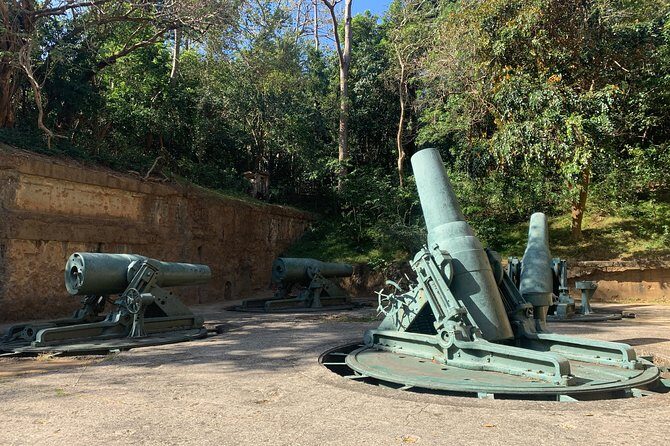
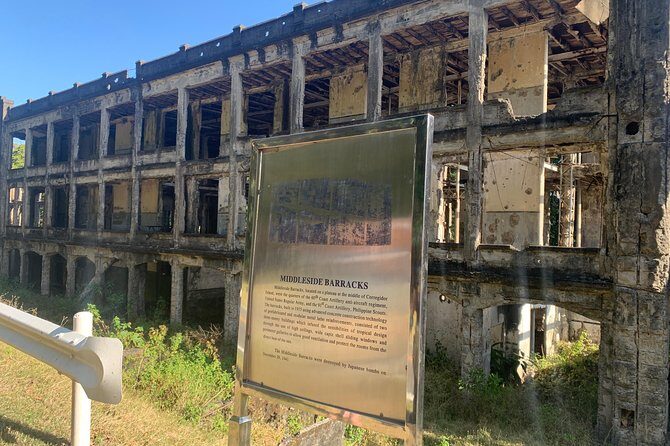
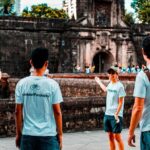
Once you’re on Corregidor, the experience becomes very “stand in the exact spot and understand the context.” The island served as a critical military site in World War II, described as the last stronghold of American and Filipino forces defending the Philippines from Japanese invasion. That matters because it changes how you read the remains: you’re not sightseeing ruins, you’re tracing a last-stand geography.
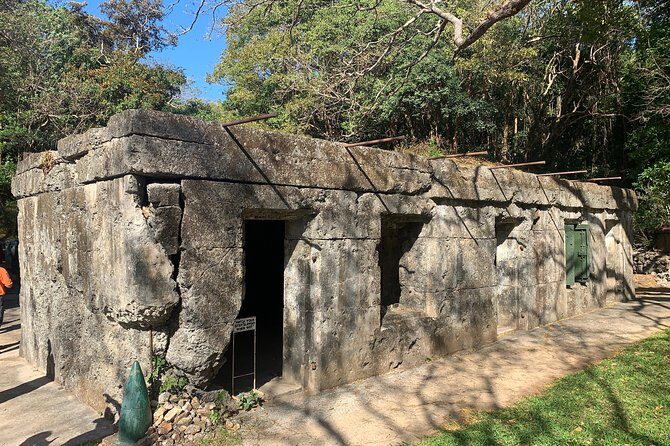
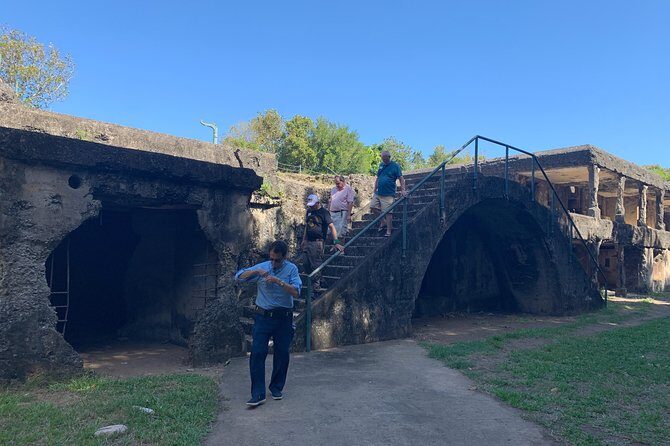
Expect to walk past and into the kind of structures that show how a defensive site functioned—fortifications and bunkers that were built to hold ground under pressure. A major value is how your guide connects what you see to decisions made under wartime conditions: strategy, survival priorities, and the purpose of specific areas.
This is the part where good guiding really matters. In particular groups, Edward (Eduardo) was praised for being an expert on everything that happened on Corregidor and the wider World War II story in the Philippines. William was also called out for being knowledgeable and interesting, and for helping explain how the fighting unfolded where it did. That kind of guiding makes your time feel like learning, not just wandering.
One more practical thought: walking around fortifications means uneven surfaces and plenty of time outdoors. Bring comfortable shoes and expect a bit of sun exposure, even if the morning starts cool.
Malinta Tunnel: Command Center and Refuge, Not Just an Attraction
If Corregidor has a star, it’s the Malinta Tunnel complex. This underground space served as a key command center and also as refuge during the conflict. That means the tunnel isn’t just a dark place to look at—it’s the “how they managed the situation” part of the story.
When you’re standing near and moving through the Malinta Tunnel areas, the guide’s narrative helps you understand the scale and function. You’re seeing a system designed to protect people and decision-makers while the surface situation deteriorated. The better the guide, the more you’ll notice details that would otherwise feel like ordinary old walls.
I also like that the tunnel contributes to the emotional tone. It makes the war feel less like distant history and more like decisions made minute by minute. You can feel why memorial visitors often say this place changes them.
Memorials and Monuments: Where Reflection Happens
Corregidor isn’t only about battles; it’s about remembrance. The island has memorials and monuments honoring the bravery and sacrifices of soldiers and civilians. That’s important because it prevents the day from becoming too clinical or purely tactical.
As you move between sites, it’s worth taking small pauses instead of rushing. Even if the guide keeps a strong pace, you can choose to slow down for a minute at each memorial area and let the meaning land. This part of the day is less about “checking boxes” and more about making your understanding more human.
This is also where a strong guide helps again. A guide can explain the stories behind names and monuments, and that’s what turns a viewpoint into a connection.

Lunch That Keeps You Moving: Packed Meal and Fees Covered
Since the Island Restaurant is still on repairs, you’re provided a packed lunch. This is one of those details that makes a difference. A tour that stalls while you hunt for food ruins the day’s flow. Here, lunch is handled so you can spend more time where it matters.
Inclusions are straightforward and useful:
- Lunch (packed)
- Landing and facility fees
Admission ticketing is also listed as free for the island entry portion. The important “value” angle is that you aren’t arriving and then discovering surprise add-ons for core site access and fees. You also know dinner isn’t included, which helps you plan what you’ll do after the tour ends.
Price and Value: What You’re Paying For (and What You’re Not)
At $368 per person, this isn’t a bargain-bin outing. But I’d frame it as paying for structure and guidance, not just transportation.
Here’s what you’re likely buying with your money:
- Early hotel pickup and a full-day schedule built around reaching Corregidor in daylight
- Boat travel across the bay environment to get to the island properly
- A guide who can connect relics to the real WWII story (with Edward/William cited for strong guiding)
- Small-group touring (max 15), which makes the experience feel more personal
- Packed lunch plus covered landing and facility fees
What you’re not getting:
- Dinner
- Any promise of easy logistics if weather creates disruptions (more on that below)
If you’re the kind of traveler who reads history labels silently and moves on, you may feel the cost more sharply. But if you want guided explanation—how the Malinta Tunnel functioned, why fortifications were arranged the way they were, and how the last defense mattered—then the price starts to make sense.
Also, timing helps. The average booking window is 33 days in advance, which suggests the best slots (or best planning) may be easier if you book ahead.
Timing, Weather, and the Rhythm of a Long Day
This experience requires good weather. If conditions force cancellation due to poor weather, you’ll be offered a different date or a full refund. That’s standard for places where sea conditions matter, but it’s still key to understand because your day is built around the water crossing.
One more timing factor: even though it’s a “day tour,” it doesn’t feel short. Between pickup, travel to the boat side, time on Corregidor, and the return, you’ll be on the go for around 12 hours.
My advice: treat this like an early-morning hike with history, not like a lazy sightseeing day. Plan rest for the night before. Don’t stack another major activity right after. And if you get motion-sensitive, consider that you’ll spend time traveling to and from the island.
Who Should Book This Corregidor Day Tour
This is a strong fit if you:
- Want WWII context you can follow on-site, not just read later
- Prefer a small group over a chaotic crowd
- Don’t mind an early pickup and a long day
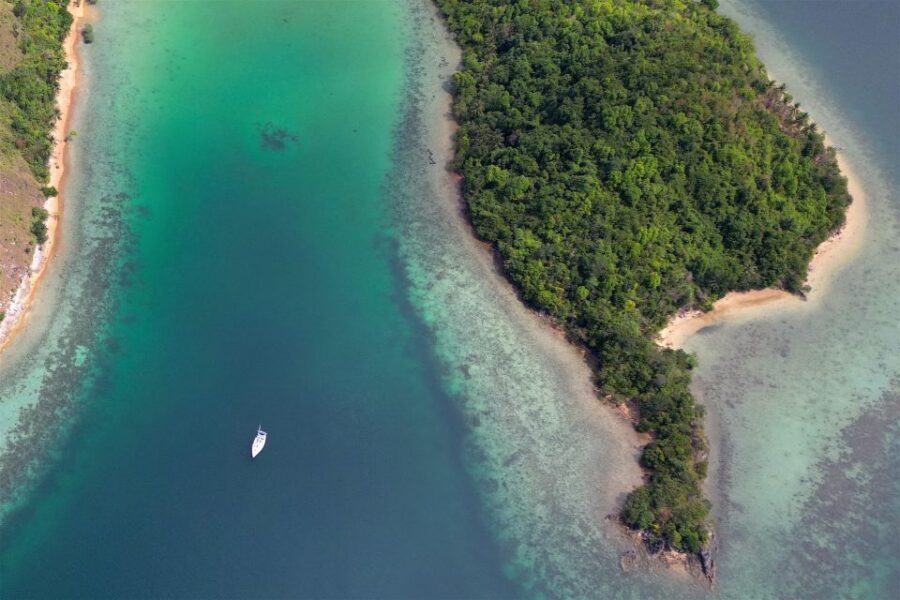
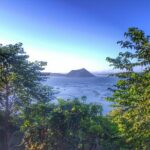
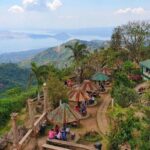
- Enjoy places where nature and history share the same space—blue water, green hills, and heavy memories in the same view
It may be less ideal if you:
- Hate early mornings (the start can be 4am or 5am)
- Want a slow, flexible itinerary
- Are only interested in quick photo stops and minimal walking
If your trip to Manila is short and you really want Corregidor to land emotionally and intellectually, this kind of guided day tour can be worth the effort.
Should You Book It?
Yes—if you’re going for the story and the site meaning, not just the postcard. The combination of guided WWII explanation, time at the Malinta Tunnel, and memorial focus makes this more than a transfer to an island.
I’d also book if you value small-group touring. Max 15 people helps you ask questions and actually understand what you’re seeing. And the fact that lunch is handled (packed because the restaurant is under repair) keeps the day from falling apart.
If you’re on the fence mainly due to the cost, ask yourself this: do I want a guide who can connect relics to the lived wartime reality? If yes, the price feels more like a service. If you’d rather DIY and skim labels, you might find you paid more than you used.
FAQ
What time does hotel pickup start?
Pickup is scheduled from your Manila hotel lobby, usually at 4am or 5am depending on tour availability and weather conditions. The tour start time is listed as 5:00am.
How long is the Corregidor day tour?
It runs about 12 hours (approx.).
What’s included in the price?
The tour includes lunch (packed lunch), landing and facility fees, and Corregidor admission is listed as free for the included portion. You’ll also have pickup offered and a mobile ticket.
Is dinner included?
No. Dinner is not included.
How big is the group?
The maximum group size is 15 travelers.
What happens if weather is poor?
This experience requires good weather. If it’s canceled due to poor weather, you’ll be offered a different date or a full refund.