REVIEW · MANILA
Authentic Manila Chinatown Food Tour Exploration
Book on Viator →Operated by Travel Time Philippines · Bookable on Viator
Chinatown can be chaotic, but this tour keeps it simple. You start in Binondo to dodge Manila traffic and you work your way through about 10 food tastings, with a traditional dimsum stop and a sweet finish at a hopia bakery. I like how the route is built around walking connections on the ground, not getting stuck in cars. One possible drawback: if you have a delicate stomach or a low tolerance for savory-plus-sweet, you may end the tour feeling very full.
Two things I really like here are the English-speaking guide and the easy pickup/drop-off. The small group size (max 15 people) also makes the experience feel less like a rush-through and more like a guided food crawl with breaks where you can actually hear the explanations. The only watch-out is that it runs on good-weather days, so if you’re visiting during a rainy stretch, plan for the tour to shift dates if needed.
At $160 for a 3 to 4 hour outing, the value comes from the mix of guided tastings plus private, air-conditioned transport. It’s not just sampling street food; it’s structured to connect you with the Chinese-Filipino food influences in Binondo and beyond. If you hate waiting and you’re traveling light, start thinking about snacks, water, and comfortable shoes right away.
In This Review
- Key things that make this Binondo food tour work
- Chinatown food, planned for Manila’s traffic reality
- What you can expect to taste in 3 to 4 hours
- Stop 1 in Binondo: the best way to get your bearings
- The dimsum stop: where the tour switches gears
- Ending at a historic hopia bakery for the sweet finale
- Price and value: what $160 covers (and why it adds up)
- Pickup details and how to plan your afternoon
- Small group size: why max 15 changes the feeling
- Who should book this Binondo Chinatown food tour
- Should you book it?
- FAQ
- How long is the Manila Chinatown Food Tour?
- What’s included in the price?
- Is pickup offered?
- How many people are in the group?
- Do I need to tip?
- What if weather is bad?
Key things that make this Binondo food tour work
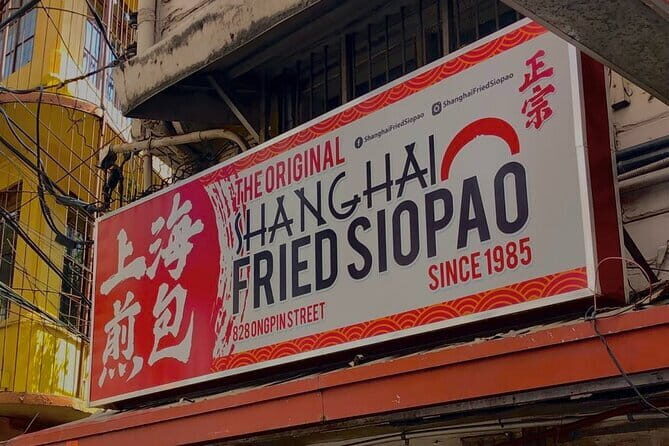
- Start inside Binondo so you can walk and eat without fighting traffic for every stop.
- About 10 tastings across savory bites and a big sweet finale, so you get variety fast.
- Traditional dimsum stop gives you a clear midpoint highlight instead of random snacking.
- Hopía at a historic bakery closes the loop with Chinese-Filipino pastry culture.
- Pickup and drop-off are part of the plan, which matters in Manila.
- Max 15 people keeps questions possible and the pacing more human.
Chinatown food, planned for Manila’s traffic reality
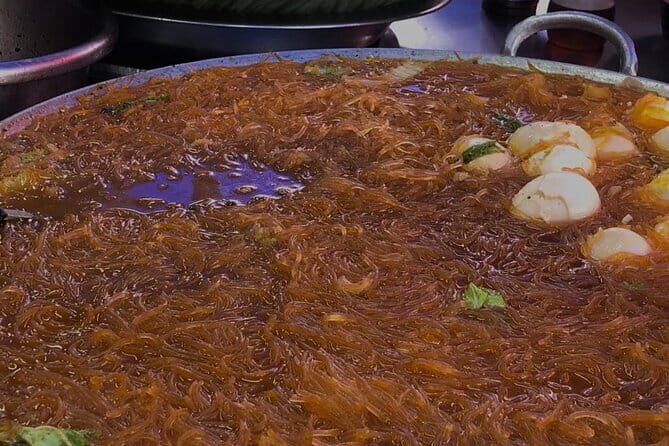
Manila traffic is no joke. This tour’s main trick is timing and routing: you begin in Chinatown and walk around many areas, instead of bouncing across the city for every bite. That alone can make the whole experience feel calmer than a typical hop-on, hop-off food plan.
You also get a guided intro while you’re already in the neighborhood, which helps you understand what you’re eating as you go. When you’re sampling multiple dishes in a short window, context turns it from random food sampling into something you’ll remember.
And yes, this is a full-on food crawl. In one highlight from past participants during Chinese New Year: pickup and drop-off felt easy, the food hit well, and the end result was stuffed. That’s exactly the vibe I’d expect here if you come hungry.
You can also read our reviews of more food & drink experiences in Manila
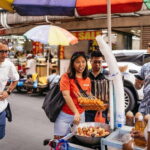
What you can expect to taste in 3 to 4 hours
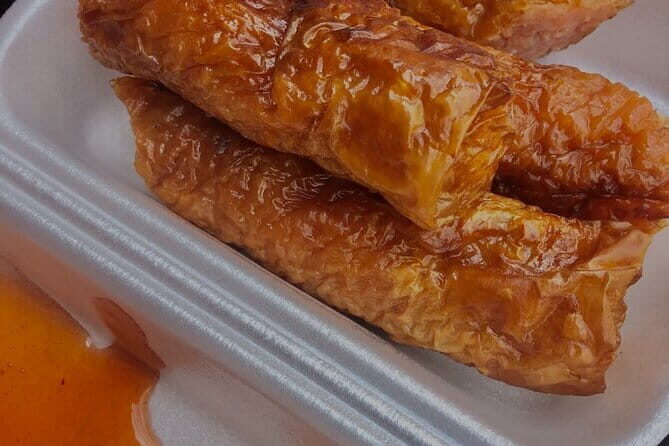
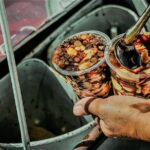
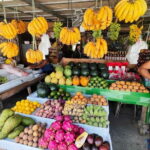
The promise is straightforward: you’ll try about 10 different dishes during the outing. The flow goes from local and Filipino favorites around Binondo to a well-known spot for traditional dimsum, then finishes at a historic hopia bakery.
Even without knowing every dish name in advance, you can plan your expectations:
- You’ll likely get a mix of savory street-leaning bites plus small portions meant for tasting.
- The dimsum stop is your structured “signature” moment, usually a calmer pause in the middle of the walking.
- The hopia ending is the sweet payoff, with flaky pastry and Chinese-Filipino pastry heritage.
Because the timing includes pickup, transport between areas, and drop-off, you should think of it as a concentrated afternoon meal experience—less like a snack run, more like you’re building your own dinner out of multiple tasting stops.
Stop 1 in Binondo: the best way to get your bearings
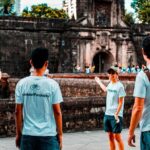
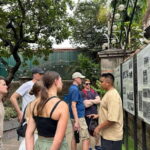
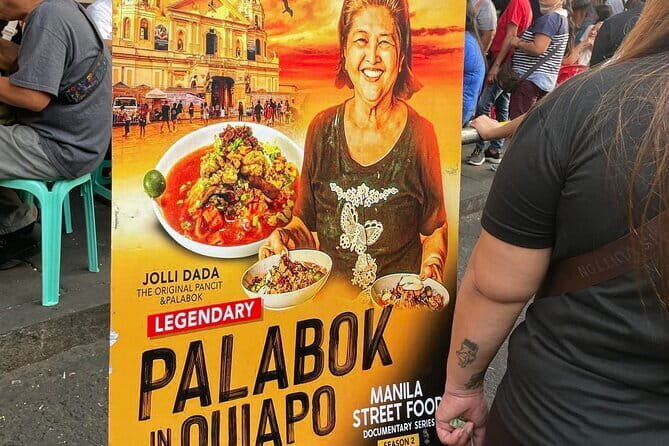
Binondo is the reason this tour exists. You’ll get to walk around and see another side of Manila, centered on the oldest Chinatown in the world. That matters because Chinatown culture is not just food—it’s streets, storefronts, and the everyday rhythm of a neighborhood.
In the first part, you’re not only eating. You’re also getting an introduction to Filipino food as it shows up in Chinatown. The tour includes a food introduction by tasting Filipino well-known cuisine found in the area, and it uses famous spots as landmarks for what you’re learning.
Practical benefit: when you start here, your guide can explain the influences in real time—how Chinese and Filipino cooking styles show up in flavors, cooking methods, and the way dishes are served. If you arrive later in the day after peak street activity, you might miss some of that “this is a living neighborhood” feel. Starting at 12:30 pm helps you catch a good stretch of daylight and street life.
Possible drawback at this stage: because you’ll be walking and sampling early, wear shoes you can stand in for a while. Also, if you don’t like taking small bites while listening (some people prefer to eat quietly), decide ahead of time how you’ll handle the pacing.
The dimsum stop: where the tour switches gears
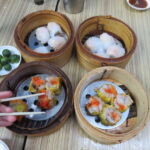
After the Binondo walk and early tastings, the route continues until you reach a well-known spot for traditional dimsum. This is the structured highlight, the point where the tour shifts from broad neighborhood sampling to a focused dish style.
Why that’s valuable: dimsum is not just food. It’s a whole category of Chinese-inspired eating patterns—shared tables, small plates, and a range of textures. In a Chinatown tour, it’s a strong way to connect the dots between what you’ve tasted earlier and what Chinese-Filipino cuisine looks like when it’s anchored in tradition.
How you’ll experience it in practice:
- Expect a calmer pause compared to pure street wandering.
- You’ll get another set of tastings, letting you compare textures and flavors across the tour.
- Your guide can help you interpret what makes the dumplings, sauces, or preparation techniques distinct.
No specific dimsum dishes are listed in the info you provided, so don’t pin your excitement on any one item. Instead, think of this as your “food education checkpoint” and your chance to reset before the final sweet stop.
Ending at a historic hopia bakery for the sweet finale

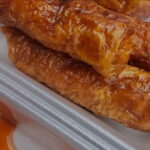
The tour closes at a bakery known for hopía, a Chinese-Filipino pastry. If you like flaky, layered pastries with a filling that does its own thing (sweet, aromatic, and often intense), this ending is the part you’ll feel in your teeth for days.
What makes hopía a smart finale is the message it carries without needing a lecture. You’re finishing with something that represents the mix of cultures in a form you can hold, smell, and taste immediately. The tour description points to flaky pastries and the story of Chinese-Filipino culinary history, so you’re not just buying dessert—you’re closing the tour with something culturally grounded.
One more practical angle: this is where you’re most likely to feel the “stuffed” effect. If you’re planning a later dinner the same day, adjust your schedule or plan something light. During Chinese New Year, at least one past experience specifically mentioned ending stuffed, and that matches the logic of a sweet-heavy finish after about 10 tastings.
A few more Manila tours and experiences worth a look
Price and value: what $160 covers (and why it adds up)

The cost is $160 for a 3 to 4 hour tour. For Manila, the value is tied to the fact that you’re not only paying for food. You’re paying for:
- an English-speaking guide
- air-conditioned vehicle support and private transportation
- all fees and taxes included
- a built-in walking route that reduces time lost to traffic
Private transport is a big deal in Manila. Even if the tour is partly walk-based, you’re still moving between food stops. The included vehicle and organization can save you energy and time, which is valuable when you’re eating your way through a neighborhood.
Also, you’re told the tour includes admission ticket, mobile ticket, and that it’s capped at 15 people. That cap matters because a very large group can turn a “guided tasting” into a queue-and-rush situation. A smaller size makes the food portion easier to manage and the guidance more practical.
The one thing not included is the tip, so budget for that separately if you want to be fair to your guide.
Pickup details and how to plan your afternoon

You start at 12:30 pm. The meeting points listed include Ninoy Aquino Intl Airport (Andrews Ave, Pasay, Luzon 1300, Philippines), which suggests pickup is set up for people arriving or staying near that area. That’s helpful if you want Chinatown food without wasting your first day figuring out transport.
The duration (3 to 4 hours) includes travel time and pickup/drop-off between destinations. That means you shouldn’t plan a separate commitment right after the tour unless it’s flexible.
A practical way to prepare:
- Wear comfortable shoes and clothes you can walk in.
- Eat lightly before you go, especially if you know you’ll be sensitive to spice or fried foods.
- Bring water with you if that’s your style. Even if the tour provides the structure, you’ll still be walking.
If you’re on a tight schedule, build in buffer time. Manila doesn’t do “on the dot” the way some places do.
Small group size: why max 15 changes the feeling
The tour has a maximum of 15 people, which is a meaningful limit. In a food tour, the group size determines whether you get:
- enough time to taste without rushing
- space to ask questions about flavors and influences
- a guide who can actually keep track of everyone
A smaller group also helps with the practical part of Chinatown navigation. Binondo streets can feel crowded, and moving as a group needs coordination. With 15 people max, it’s easier to manage pace and make sure you don’t lose anyone.
This is also where the English-speaking guide becomes more valuable. You’re not only eating; you’re learning as you go, and small groups make that learning more interactive.
Who should book this Binondo Chinatown food tour
Book it if you want:
- a guided way to eat your way through Binondo and understand what you’re tasting
- a structured set of tastings (about 10 dishes) rather than random browsing
- a classic Chinese-Filipino finish with hopía
- pickup and drop-off support so you don’t spend the day wrestling with Manila transport
You might skip it if:
- you dislike walking and prefer a mostly seated experience
- you don’t want a sweet-heavy ending
- you’re traveling extremely light and hate carrying what you buy or eat on the move
This tour also fits well for food-first travelers who enjoy neighborhoods with history and daily life mixed together. The Chinese New Year mention from a top review is a clue: this experience can feel extra special when the street energy is high.
Should you book it?
If you want a Chinatown food experience that’s organized, guided, and built for Manila traffic, I think this is a strong choice. The combo of English-speaking guidance, pickup/drop-off convenience, and a clear food sequence from Binondo to traditional dimsum to hopía makes it feel like more than a snack list.
I’d book it when you:
- have a half-day window (about 3 to 4 hours)
- can eat multiple small portions without getting overwhelmed
- want cultural context through food, not just pictures
If you’re the type who wants full control over every stop and dish choice, you may prefer a self-guided plan. But if you’d rather let someone else map the route and focus on tasting, this one does that job well.
FAQ
How long is the Manila Chinatown Food Tour?
The tour lasts about 3 to 4 hours, including travel time and pickup and drop-off between destinations.
What’s included in the price?
The price includes an air-conditioned vehicle, all fees and taxes, an English-speaking guide, and private transportation, along with an admission ticket and a mobile ticket.
Is pickup offered?
Yes. Pickup and drop-off are part of the experience. The listed start is Ninoy Aquino Intl Airport on Andrews Ave, Pasay.
How many people are in the group?
This experience has a maximum of 15 people.
Do I need to tip?
Tips are not included.
What if weather is bad?
This experience requires good weather. If it’s canceled due to poor weather, you’ll be offered a different date or a full refund.