REVIEW · MANILA
Intramuros The Spanish City of Manila Philippines
Book on GetYourGuide →Operated by V.S Tour Services · Bookable on GetYourGuide
Manila has a walled city you can walk. Intramuros turns a few city blocks into a Spanish-era time capsule, with thick stone walls, old churches, and cobblestone lanes you can explore on foot. Built by the Spanish in the late 1500s, it’s one of those places where the streets and buildings explain themselves.
I especially like two stops: San Agustin Church (a UNESCO World Heritage Site and the oldest stone church in the Philippines) and Fort Santiago, including its dungeon. One heads-up: this tour is a lot of walking on uneven cobblestones, so comfortable shoes matter.
In This Review
- Key things to watch for in Intramuros
- Intramuros: a Spanish walled city you can actually read
- Where the 2-hour tour starts: Casa Manila by Barbara’s Restaurant
- Walled-city streets and walls: the part you feel under your feet
- San Agustin Church: UNESCO stop with weight, not just beauty
- Fort Santiago and the dungeon: where the stories get heavy
- Manila Cathedral: the Spanish-era centerpiece you’ll feel in the layout
- Calesas and getting around: a nostalgic add-on you may see nearby
- What the tour includes (and why it matters for value)
- Price vs. what you get: is $52 worth it?
- Who this tour suits best (and who should think twice)
- Practical tips so you enjoy every stop
- The bottom line: should you book Intramuros with a guide?
- FAQ
- How long is the Intramuros tour?
- How much does the tour cost?
- What’s included in the price?
- Where do we meet for the tour?
- Is the tour guide available in English?
- Is there a lot of walking?
- Can I get a refund if I cancel?
Key things to watch for in Intramuros
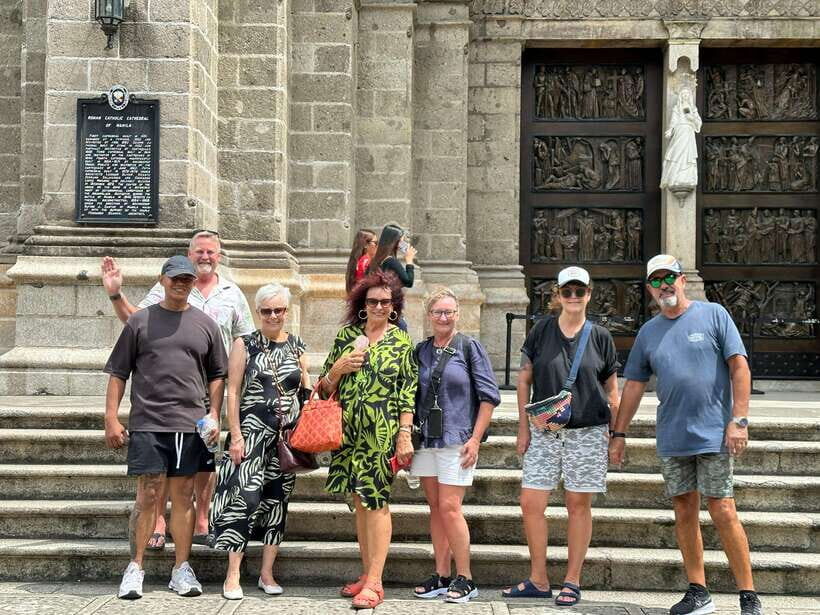
- San Agustin Church, UNESCO-listed: plan to slow down and look at more than the facade.
- Fort Santiago includes the dungeon: this is where the fort’s prison past becomes real.
- Manila Cathedral stop: a central Spanish-era landmark you’ll want to see in context.
- A real local guide leads the way: English live guidance with practical story details.
- Walled-city design shapes the walk: the walls and gates help you understand how Manila was defended.
Intramuros: a Spanish walled city you can actually read
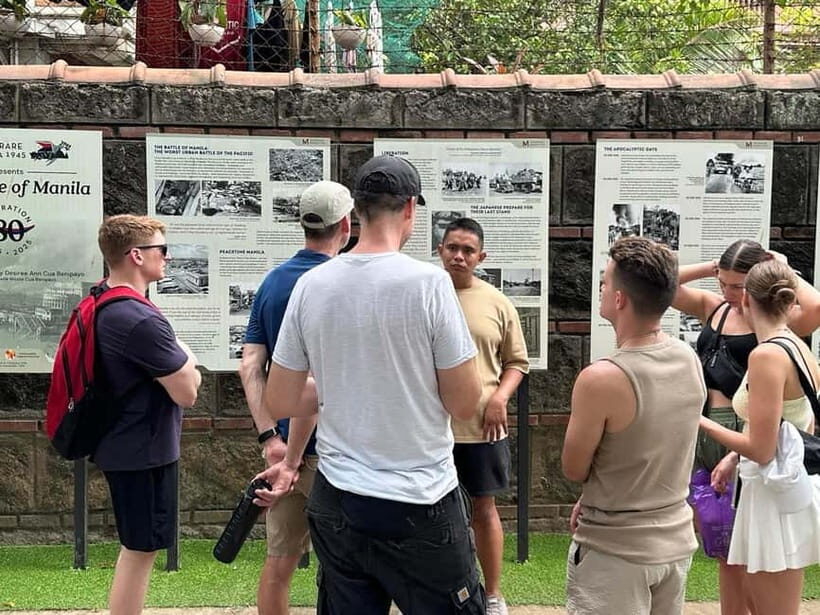
Intramuros is called the Walled City for a reason. When you’re walking inside those fortified boundaries, you’re not just sightseeing—you’re moving through a defensive layout built to protect Manila from invasions and even natural disasters. The Spanish built it in the late 1500s, and the physical structure still gives you a sense of why everything was where it was.
What I like is how the experience stays walkable. You’re not trying to cover half a metropolis. You’re in a compact zone with landmarks that connect to one another, so you start seeing patterns: churches near civic spaces, fortifications built for control, and plazas that served as social centers.
You can also read our reviews of more city tours in Manila


Where the 2-hour tour starts: Casa Manila by Barbara’s Restaurant
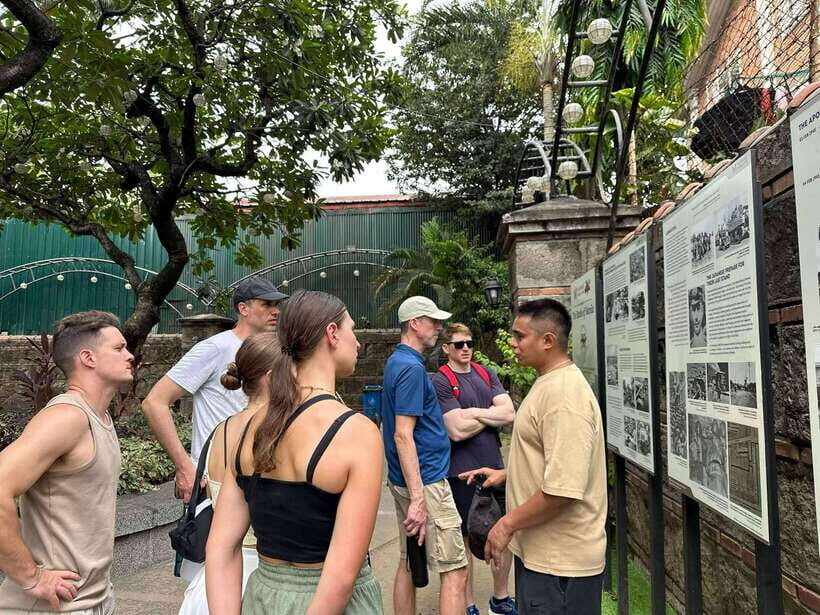
This tour begins at Casa Manila, outside Barbara’s Restaurant, right in the heart of Intramuros. That matters because it puts you inside the neighborhood you’re learning about, without the usual “meet somewhere far away and then commute” problem.
You’ll finish back at the same meeting point, so you’re not left figuring out how to return. Since the duration is about 2 hours (starting times vary), it’s a good fit for days when you want something meaningful but not all-day.
Walled-city streets and walls: the part you feel under your feet
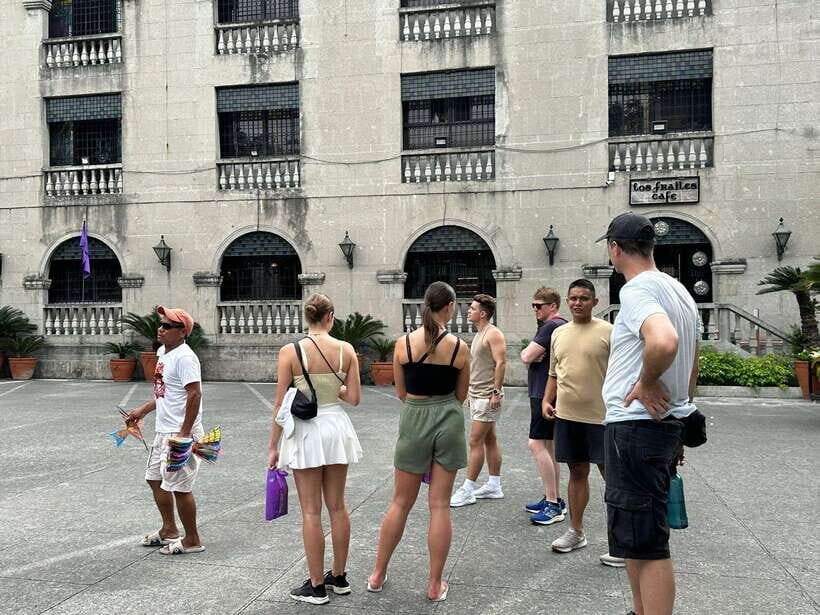
The best way to understand Intramuros is to let your feet do some of the work. The cobblestone streets can be uneven, and that unevenness makes you pay attention. You’re forced to slow down slightly, and that’s when you start noticing the old stone textures, the colonial-era building styles, and the way lanes funnel toward major landmarks.
Inside the walls, the city layout also makes sense. The walls and fortifications weren’t only for defense—they shaped how movement and daily life worked. Even if you don’t know the details of every era, you’ll sense the logic: keep the important areas inside, restrict access, and concentrate power.
Practical note: with 2 hours of walking, it helps to treat it like a short hike, not a casual stroll. If you come in with sandals that slip or soles that hurt on hard ground, you’ll feel it later.
San Agustin Church: UNESCO stop with weight, not just beauty
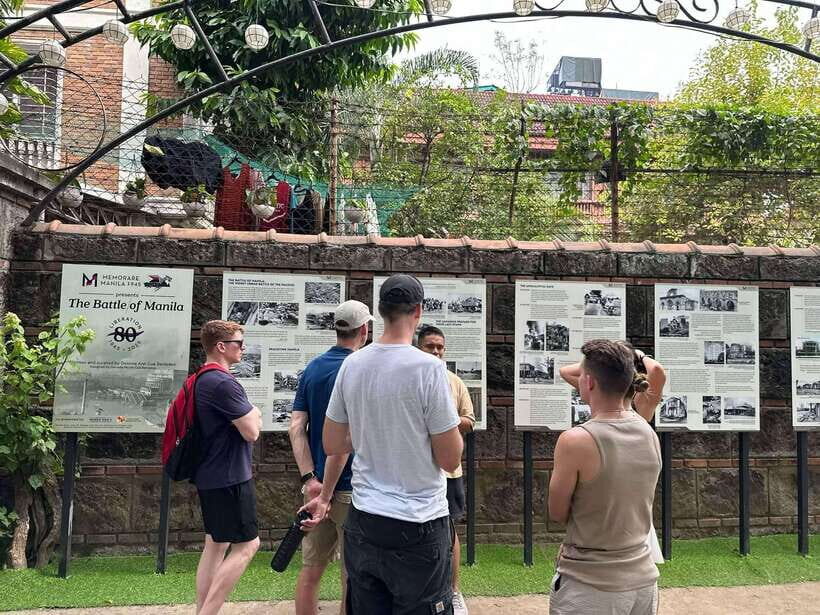
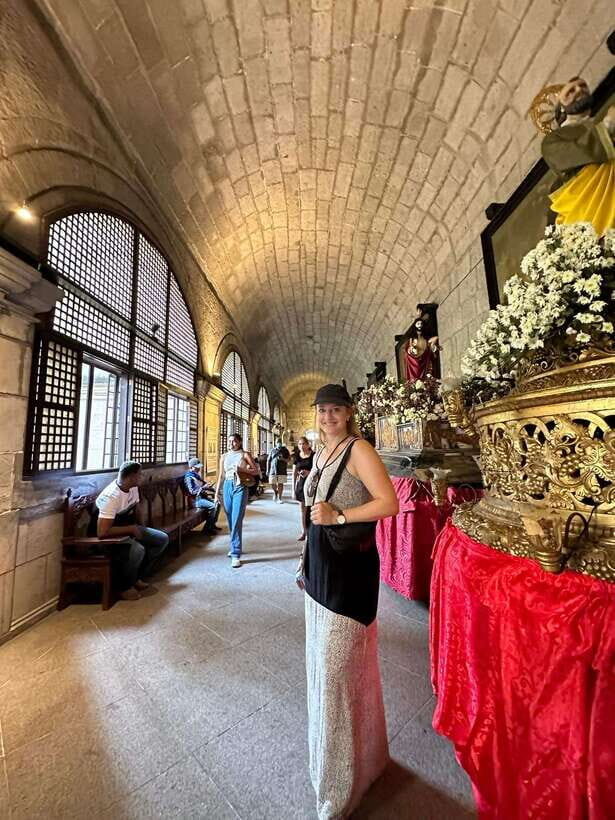
San Agustin Church is one of the biggest reasons to book this tour. It’s a UNESCO World Heritage Site, and it’s also identified as the oldest stone church in the Philippines. That combination gives the visit a different feel—you’re standing in a place tied to long continuity, not just a single photo moment.
During this part of the walk, I recommend you look beyond the exterior. A guide can help you connect the church to the broader Spanish-era presence inside Intramuros. You’ll also get a better sense of how religion and public life overlapped in colonial Manila.
The value here is time efficiency. In a short tour window, you get the one UNESCO-level stop that many people travel specifically to see, without having to plan it alone.
Fort Santiago and the dungeon: where the stories get heavy
Fort Santiago is the other anchor stop. It wasn’t just a military fortress; it also served as a prison. That’s why this isn’t only about architecture. It’s about learning how conflict and control shaped daily life—and how a defensive structure could become a place of confinement.
The highlight includes Fort Santiago entrance and the dungeon, which is important. If you only see the outer fort grounds, you miss a major emotional and historical layer. The dungeon area pushes the story from “old building” into “what happened here.”
I also like that this stop benefits from live guiding. In the feedback I saw, guides like Jane were praised for bringing stories to life with strong knowledge and clear narration. Richard also got credit for simply making the tour enjoyable and easy to follow. That kind of storytelling makes the fort feel less like a worksheet and more like a place with consequences.





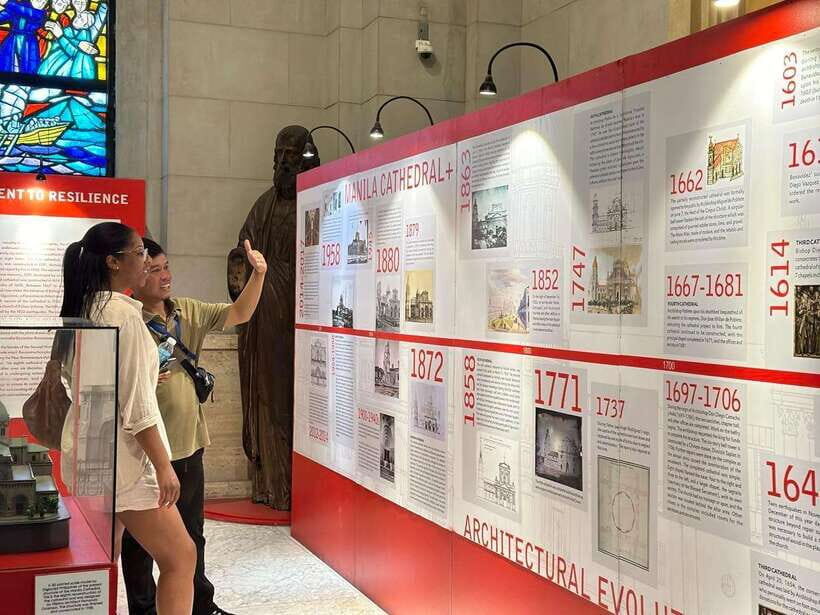
Manila Cathedral: the Spanish-era centerpiece you’ll feel in the layout

Manila Cathedral is another major stop in the itinerary. It’s one of the central landmarks of the district, which means your time here isn’t just about the building itself. It’s about how it connects to the rest of Intramuros.
Think of it as a visual anchor. Once you’ve seen the fort and you’ve visited San Agustin, the cathedral stop helps you complete the picture of Spanish religious and civic presence. Even if you’re not a history nerd, you’ll pick up the “center of gravity” feeling—how public places formed the heart of the walled city.
Calesas and getting around: a nostalgic add-on you may see nearby
As you move around, you’ll likely notice calesas—horse-drawn carriages—called out as a nostalgic way to explore Intramuros. This tour itself includes a guide and entrance fees, not a carriage ride, so don’t expect transportation built into the price.
Still, calesas can be a fun option if you want to slow down after the walk or if you’re taking photos. If you do choose one, I’d treat it as an extra and keep your main plan centered on the walking and landmark time you already paid for.
What the tour includes (and why it matters for value)

This experience includes:
- Bottled water
- Fort Santiago entrance fee
- Local tour guide
That’s a smart mix for a short 2-hour tour. The bottled water is practical because you’re walking cobblestones in a district that can feel warm. Including the Fort Santiago entrance fee helps you avoid the common hassle of paying separately or losing time at the site.
The local guide is the real value multiplier. A walled city can look “old” in a generic way if you’re wandering alone. With live English guidance, you get connections between the walls, the churches, and the fort—so your photos come with meaning.
Price vs. what you get: is $52 worth it?
At $52 per person, this is not a bargain-basement street walk. But it also isn’t trying to be a whole-day tour with bus transfers. For the money, you’re paying for an English live guide, Fort Santiago entrance, and bottled water—plus a focused route through the most famous Intramuros landmarks.
Here’s how I’d judge the value for you:
- If you want the top Spanish-era highlights in a short window, this price is more reasonable. You’re buying direction and context.
- If you love wandering with zero structure, you might prefer exploring on your own and skipping the guide. The cost of a guide adds up fast if you’re happy reading maps instead of listening.
For most first-time visitors with limited time, I’d say this hits the sweet spot: guided, compact, and anchored by UNESCO and a major historic fortress.
Who this tour suits best (and who should think twice)
I think this tour is ideal if you:
- Like walking but want a planned route
- Want the big hitters in Intramuros—San Agustin, Fort Santiago (including the dungeon), and Manila Cathedral
- Prefer a guide who explains what you’re seeing in English
It might be less comfortable if you:
- Have trouble with uneven surfaces or long stretches on cobblestones (this tour involves a lot of walking)
- Need a very slow pace with frequent breaks, because it’s designed to cover major sites in about 2 hours
If you’re traveling with family, I’d still check your group’s comfort level first. The historical sites are worth it, but the ground is not smooth.
Practical tips so you enjoy every stop
Come prepared like you’re walking a compact historic neighborhood, not strolling a mall corridor. Comfortable shoes are the big one. Cobblestones can be uneven, and after a couple of hours your feet will tell the truth.
Also bring water as a habit. Bottled water is included, but having that small buffer helps. If the day is hot, plan to take brief pauses at viewpoints or church entrances rather than trying to “push through.”
And go with a mindset of looking up and looking around. Intramuros rewards attention to details—walls, facades, and the way spaces are organized—more than it rewards speed.
The bottom line: should you book Intramuros with a guide?
If you’re choosing between a guided tour and walking it solo, I’d lean guided for this one. You’re paying for context and for access to the most important stops within a tight 2-hour window.
I’d book it if you want:
- UNESCO San Agustin Church
- Fort Santiago with the dungeon
- Manila Cathedral as part of a coherent Spanish-era route
- English live narration that turns stone buildings into stories
Skip or reconsider if your group hates uneven walking surfaces or you’d rather spend your time slower, piecing together landmarks without a guide.
If you do book, treat the walk like the main event. Intramuros is at its best when you move through it carefully—one cobblestone step at a time.
FAQ
How long is the Intramuros tour?
The tour duration is about 2 hours. Starting times can vary, so it’s best to check availability for the time that fits your day.
How much does the tour cost?
The price is $52 per person.
What’s included in the price?
The tour includes bottled water, Fort Santiago entrance fee, and a local tour guide.
Where do we meet for the tour?
Meet your guide at Casa Manila outside Barbara’s Restaurant, in the heart of Intramuros. The tour ends back at the meeting point.
Is the tour guide available in English?
Yes. The live tour guide provides the tour in English.
Is there a lot of walking?
Yes. The tour involves a lot of walking on cobblestones and uneven areas, so comfortable shoes are recommended.
Can I get a refund if I cancel?
You can cancel up to 24 hours in advance for a full refund.