REVIEW · MANILA
indigenous Forest experience Manila 2023
Book on Viator →Operated by Yolo Travel Philippines · Bookable on Viator
Aetas jungle day feels human, not touristy. This is a full-day trip from Manila to the Pamulaklakin Forest Trail in Subic Bay’s Binictican Hills, with guided time in an indigenous community and a traditionally prepared lunch inside bamboo. What I like most is the small-group feel and the simple, hands-on moment of a bamboo-prepared lunch you eat as part of the experience. One thing to consider: it’s an early start with real walking on the trail, so wear shoes you can trust.
You also get comfort that matters on a long day. The ride is in an air-conditioned vehicle, and you’ll have free transfers from select Manila areas, which saves you from the stress of finding your own way out to Subic. If you want authentic context for how the Aetas use their surroundings for daily life, this tour is built for that with jungle survival skill demonstrations and plenty of chances to ask questions.
In This Review
- Key things that make this Aetas forest day worth your time
- Aetas and the Pamulaklakin Forest Trail in Subic Bay
- The day runs long: 6:30 am start and a real 10–12 hour schedule
- Transport comfort: air-conditioned ride, small-group pacing
- Stop on the trail: about 3 hours on Pamulaklakin Forest Trail
- Learning to read the forest: survival skills and medicinal plant spotting
- The bamboo lunch: what you’re really paying for
- Value and price: is $160 a fair deal for this kind of day?
- Weather reality: this needs good weather
- Who this tour fits best (and who might want to skip it)
- Booking with Yolo Travel Philippines: what to know before you go
- Should you book this Aetas indigenous forest tour from Manila?
- FAQ
- FAQ
- What does this tour include?
- How long is the tour?
- What time does the tour start?
- Where does the tour visit?
- How much is the tour?
- Is transportation included?
- How big is the group?
- Is the trail stop time included?
- What happens if the weather is bad?
- Can I cancel for a full refund?
Key things that make this Aetas forest day worth your time
- Small group, maximum 15 people, so the guide can actually talk to you instead of rushing you through.
- Pamulaklakin Forest Trail time (about 3 hours) in a still-forested area of Binictican Hills.
- Traditional bamboo lunch, prepared for you on the day and tied to everyday local life.
- Jungle survival skill demonstrations that focus on how people live with the environment.
- Medicinal plant spotting and Q&A, with guides (including Eddie and Ricky in one noted group) who point out uses and answer questions.
Aetas and the Pamulaklakin Forest Trail in Subic Bay
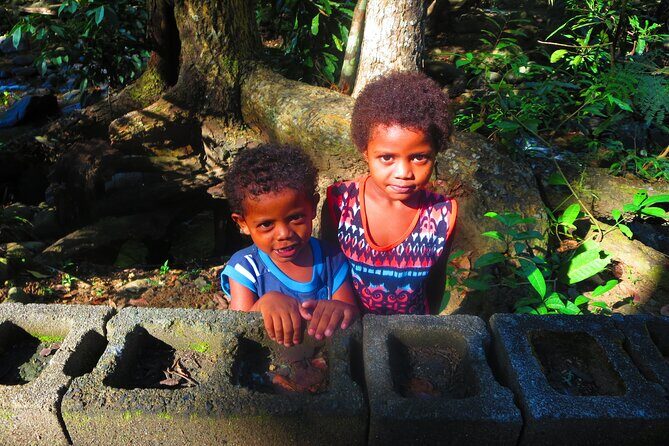
This outing centers on the Aetas, an indigenous people associated with the Binictican Hills area of Subic Bay, specifically around the Pamulaklakin trail. The tour doesn’t position this as a performance-only stop. Instead, the structure is about understanding: how locals use what’s around them day to day, how knowledge is passed along, and what it looks like to live close to the forest.
The Pamulaklakin area is described as one of the remaining untouched rainforest areas in the Philippines, and that’s part of the appeal. You’re not just driving to a viewpoint. You’re spending time on a trail, with a guide who can point out plants and explain how they’re used. That helps the day feel grounded rather than photo-op focused.
I also like that the tribe is presented as a living community. You’re learning from people who belong there. That’s why this kind of tour can be more meaningful than a standard “nature walk” label.
You can also read our reviews of more tours and experiences in Manila.


The day runs long: 6:30 am start and a real 10–12 hour schedule
This tour starts at 6:30 am. Expect a 10 to 12 hour day total, which means you’ll be ready to move early and keep going until the afternoon/evening.
The long day is partly the distance from Manila to Subic Bay (and the time it takes to get everyone together). The tour helps you with logistics: pick-up is offered, and there are free transfers from select parts of Manila. That’s a big deal for value because it reduces your own costs and planning time.
You also need to plan for energy. The most active portion is the forest trail stop, listed at around 3 hours. So even though this is a “comfort + guided day,” it’s still outdoors and you’ll be walking. If you’re not used to uneven ground or humidity, this could feel more demanding than you’d expect.
Transport comfort: air-conditioned ride, small-group pacing
One of the practical wins here is comfort. The itinerary is built around an air-conditioned vehicle, so you’re not bouncing around in open-air heat for the whole day. For many people, that makes the trip doable even if you don’t love long rides.
Small group size matters, too. With a maximum of 15 travelers, the pace can stay conversational. Instead of having to ask questions while the whole group is herded forward, you’re more likely to get direct answers. That’s especially important on a tour centered on local knowledge like medicinal plants and survival skills.
And yes, there’s a mobile ticket, which is handy. You don’t have to worry about losing paper while you’re out exploring.
Stop on the trail: about 3 hours on Pamulaklakin Forest Trail
Your main on-foot time is at Pamulaklakin Forest Trail. This is the heart of the day, and it’s where the “indigenous forest” part becomes real.
You’ll be guided through the area, and you should expect to learn by looking—trees and plants with uses, plus a sense of how the Aetas relate to the forest. From one highlighted encounter, guides pointed out plants with medicinal value and stayed active in answering questions. That’s what makes a trail stop like this more than a walk with a narration track.
What I think you should watch for is the kind of walking this implies. The trail time is listed at 3 hours, so there’s likely enough movement that you’ll want breathable clothes and shoes with grip. Don’t plan to wear sandals if you’re at all unsure about your footing.
Also, timing matters. Starting at 6:30 am and then doing a multi-hour trail stop means you’ll want water and a simple snack strategy. The tour includes a traditional lunch later, but it won’t replace the need to stay comfortable during earlier walking.
Learning to read the forest: survival skills and medicinal plant spotting
A lot of tours say survival skills. Here, the emphasis is on seeing the forest through practical use: what people notice, what people collect, what matters for daily life.
In the guide-led moments, you’re likely to get examples of plants used for medicinal purposes and explanations that connect knowledge to real routines. One noted guide team—Eddie and Ricky—was described as highly involved, pointing out plants with medicinal value and answering questions without hesitation. That’s the kind of interaction that makes a difference: you’re not just hearing statements, you’re asking follow-ups.
Even if you don’t have a background in botany, the approach can work well because it’s not academic. It’s functional. You’re learning how to recognize what might be useful and why it matters to the community.
My advice: come with curiosity. Ask questions about what you see, not just what you hear. If a guide mentions a plant, ask how it’s used and when. That keeps the experience focused and respectful.


The bamboo lunch: what you’re really paying for
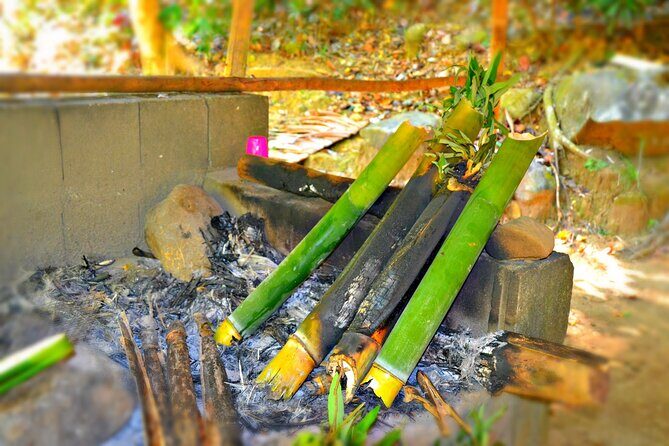
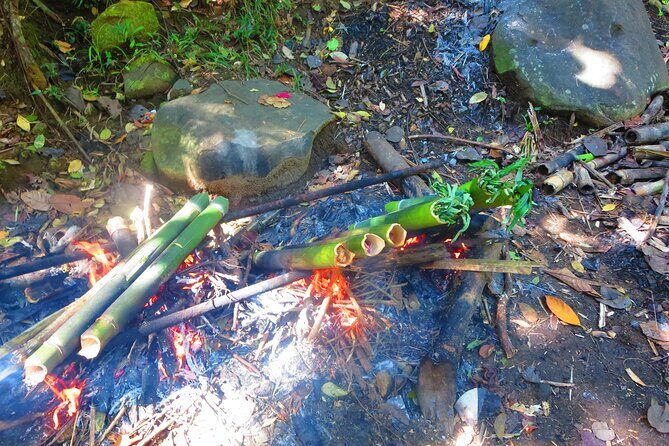
The lunch is one of the biggest draws because it’s traditional and prepared inside bamboo. That isn’t a gimmick in this context. It’s part of how the community prepares food and uses local materials.
From the descriptions, you’re served a traditionally prepared lunch during the visit, and it’s tied to the day’s learning about daily life in the forest. A bamboo-based meal feels different because it’s connected to place and process, not just plating.
There’s also a souvenir-style craft element mentioned in one encounter: bamboo cups made on the spot. That detail hints at how the day can include small, tactile moments beyond the main meal. Even if you don’t plan to buy anything, it helps you understand that this is a living skill set.
Why does this matter for value? Because the food isn’t just included—it’s part of the cultural context you came for. For $160 per person, that inclusion helps justify the cost, especially when you also factor in the guided travel and included admission ticket.
Value and price: is $160 a fair deal for this kind of day?
At $160 per person, this isn’t a “cheap outing.” It’s priced like a full-day, guided, intercity experience. The value comes from several bundled pieces:
- Transportation in an air-conditioned vehicle plus free transfers from select Manila areas
- Small-group format (up to 15)
- Included admission for the Pamulaklakin Forest Trail stop
- Guided time focused on indigenous knowledge, not just scenery
- Traditional lunch prepared inside bamboo
When you add those up, the cost becomes easier to understand. You’re paying for time, guidance, and access to a specific place and community context. This is also the kind of experience that can be harder to DIY safely and respectfully, especially when you’re relying on local interpretation.
If you’re the type who enjoys structured learning but doesn’t want a lecture, this price can feel reasonable. If you’re only interested in a casual nature stroll, you might find it steep—because a big part of the day is cultural learning and guided interaction.
Weather reality: this needs good weather
This tour requires good weather. That matters because you’re outdoors with trail walking and a schedule that depends on the day staying safe and workable.
If it’s canceled due to poor weather, you’ll be offered a different date or a full refund. You can’t control rain, so don’t plan this as the one “can’t miss” day in the middle of a stormy stretch. If you’re flexible with your dates, that improves your odds of getting a good day in the forest.
Who this tour fits best (and who might want to skip it)
This is a strong match if you want:
- A guided indigenous forest experience tied to the Aetas and Binictican Hills
- A structured day that includes a real trail walk (about 3 hours)
- Cultural learning with Q&A, including topics like medicinal plants and practical survival knowledge
- A traditional meal moment through bamboo-prepared lunch
It may be less ideal if:
- You hate early mornings and long days
- You prefer totally flat, minimal walking routes
- You’re booking on a weekend where you can’t easily adjust if weather forces a change
Booking with Yolo Travel Philippines: what to know before you go
The experience is provided by Yolo Travel Philippines. The day starts early (6:30 am) and runs about 10 to 12 hours. The group size is capped at 15, and it’s set up as a small-group tour.
It’s also promoted with group discounts and a mobile ticket, so it’s simple to manage if you’re traveling with friends or family. Confirmation is received at booking time in most cases, unless you book very close to departure (within 8 hours), in which case confirmation comes as soon as possible depending on availability.
One more practical point: because you’re traveling with a scheduled meeting time, you’ll want to be ready earlier than you think. If you’re coming from Manila, build in margin so you’re not rushing to meet pickup.
Should you book this Aetas indigenous forest tour from Manila?
I’d book it if you want a full-day experience that mixes outdoors time with real cultural context, especially if you appreciate learning how people use their environment. The combination of Pamulaklakin Forest Trail walking, guided interpretation, and a bamboo-prepared lunch makes the day feel specific rather than generic.
I’d think twice if you’re expecting only light sightseeing. This is a 10–12 hour day with a roughly 3-hour trail stop, so you need decent stamina and good footwear. Also, because it depends on weather, keep some flexibility.
If your goal is to spend time with the Aetas community in a respectful, guided way and leave with more than just photos, this is a solid choice.
FAQ
FAQ
What does this tour include?
It includes the guided visit to the Aetas community connected to the Pamulaklakin Forest Trail area, a traditionally prepared lunch inside bamboo, guided jungle experience components, and admission ticket coverage for the trail stop.
How long is the tour?
The duration is listed as about 10 to 12 hours total.
What time does the tour start?
The meeting start time is 6:30 am.
Where does the tour visit?
The tour takes you to Subic Bay Olongapo, specifically the Pamulaklakin Forest Trail in the Binictican Hills area.
How much is the tour?
The price is $160.00 per person.
Is transportation included?
Yes. An air-conditioned vehicle is used, and free transfers are offered from select areas of Manila.
How big is the group?
The tour has a maximum of 15 travelers, which is designed to keep the experience more personal.
Is the trail stop time included?
Yes. The Pamulaklakin Forest Trail stop is listed at about 3 hours, with the admission ticket included.
What happens if the weather is bad?
The tour requires good weather. If it’s canceled due to poor weather, you’ll be offered a different date or a full refund.
Can I cancel for a full refund?
Yes. You can cancel up to 24 hours in advance for a full refund. If you cancel less than 24 hours before the experience’s start time, the amount paid is not refunded.