REVIEW · MANILA
Embark on a 7-Day Banaue-Sagada Adventure of a Lifetime
Book on Viator →Operated by Yolo Travel Philippines · Bookable on Viator
Early mornings and steep steps set the tone. This 7-day North Luzon run mixes Ifugao terrace culture with cave and waterfall days, so you’re moving through real mountain life rather than just driving past it. I especially like the mix of big scenery and hands-on hiking, plus the small-group feel (max 15 people). One thing to plan for: this is not a stroll—expect 6–8 hours of trekking most days and bring real fitness, not just good intentions.
By day three or four, the week starts to feel like a rhythm: hike, rest, eat simply, then hike again. That pacing is exactly why I think this trip works for people who enjoy active travel, including the kind of cultural village visits that don’t feel staged. The main drawback is logistical, not scenic: the early start time (3:00 am) and repeated long hikes can wear you down if you’re not used to mountain walking.
In This Review
- Key highlights worth marking on your calendar
- Early 3:00 am start: how a Banaue–Sagada week really feels
- Banaue Rice Terraces: water, stonework, and big hike payoff
- Cambulo’s rice terraces and the 360-degree feel
- Batad-to-Bangaan via Tappiyah Falls: a full Ifugao village day
- Sagada: where the pace shifts from terrace steps to mountain air
- Sumaguing Cave: the underground stream day you’ll remember
- Bomod-Ok Big Falls: the valley walk that earns its name
- Price and meal planning for a $1,300 Banaue–Sagada week
- Who this tour suits (and who should think twice)
- Should you book this Banaue–Sagada adventure?
- FAQ
- How long is the Banaue–Sagada adventure?
- Where does the tour start?
- Is pickup offered?
- What is the group size?
- What kind of fitness level do I need?
- What activities are included during the week?
- Are admission tickets included?
- Are meals included?
- How much does the tour cost?
- What happens if the tour is canceled due to weather or minimum group size?
Key highlights worth marking on your calendar
- Ifugao rice terraces: You’ll see how irrigation, stonework, and terrace maintenance shaped daily life.
- Cambulo’s pyramid-like terraces: A village hike with terraces cut around nearly 360 degrees.
- Tappiyah Falls + Batad-to-Bangaan hiking: A full day built around villages and waterfall time.
- Sumaguing Cave with an underground stream: Water flows through the cave system you’ll explore.
- Bomod-Ok Falls (Big Falls): A deeper valley trek where the payoff is the scale.
- Small group size (max 15): Easier movement and fewer bottlenecks during hikes.
Early 3:00 am start: how a Banaue–Sagada week really feels
The first thing to know is the start time. You’re up for a 3:00 am meeting in Manila, and the week is designed around getting to trailheads and transport windows while you still have energy. If you’re the kind of person who travels best after a slow breakfast, this will feel like a culture shock—on day one.
I like that the plan isn’t random. The itinerary is built as a sequence of hikes and countryside stops, with air-conditioned vehicle time between areas and hiking blocks that take multiple hours. You also get the “small-group” angle: the trip runs with a maximum of 15 people, so you’re not stuck in a giant crowd when the walking narrows.
The other practical point: you need to treat this as a fitness trip, not a photo tour. The tour notes call for above-average fitness because you’ll hike mountains for at least 6–8 hours per day. That doesn’t mean you need to be an ultra-athlete. But you do need steady legs, basic hiking comfort, and a good attitude about uneven steps.
You can also read our reviews of more tours and experiences in Manila.

Banaue Rice Terraces: water, stonework, and big hike payoff
Banaue is where this whole trip makes its promise. You’re not just seeing terraced fields—you’re walking through the Ifugao rice-terracing logic: water irrigation, stonework, earthwork, and terrace maintenance. That matters because it explains why these terraces look the way they do and why they’ve endured.
On your first full day in the area, expect a long hiking block tied to Banaue terrace sights. This stop includes admission ticket coverage as part of the tour. The time on foot is the point: the terraces change with your angle, and the terrain forces you to notice details you’d miss from a viewpoint bus stop.
What I love here is the “slow education” effect. When you’re walking the edges of fields and trails cut through steep ground, you start to understand the engineering behind the scenery. It’s not just a pretty mountain view—it’s a living system.
Possible drawback: terrace hiking can be tough even when the weather is friendly. You’ll want sturdy footwear and a pace that doesn’t burn you out early, because the week keeps going.
Cambulo’s rice terraces and the 360-degree feel
Cambulo is the “next layer” after Banaue. After breakfast, you’re looking at a four-hour hike to reach the village, and it’s described as a second Ifugao stop with rice terraces that have a pyramid-like appearance. The fun detail is the shape and placement: the terraces are cut almost 360 degrees around the area.
That kind of terrain is why this trip is worth it. You don’t just get a single view. You move through the terraces and see how the village sits within the agricultural geometry. As you walk, the perspective keeps changing—so you’re learning the layout with your body, not just your eyes.
This day lists a long stretch of time (around 8 hours), and the entry there is marked as free in the tour plan. That helps keep the day from feeling “ticket-driven,” even if you’ll still be paying attention to what the area looks like and how locals farm and live.
The tradeoff is energy. Cambulo asks you to hike in the morning and keep moving for most of the day. If you’re planning to take this trip, don’t try to “save up” for one day only. The schedule is consistent: you’ll be active repeatedly.
Batad-to-Bangaan via Tappiyah Falls: a full Ifugao village day
Day three blends villages, a waterfall stop, and a hike between Ifugao communities. You start with a three-hour hike connected to Tappiyah Falls, then you spend time exploring the village and rice terraces of Batad. After lunch, you’re hiking another three hours to reach Bangaan, described as the final village stop of the adventure.
This is one of those days where the timing matters. Having the waterfall before lunch gives you a natural reset in the middle of the trek. And arriving at Bangaan at the end of the day is psychologically useful—after hours of uphill steps, you want a clear finish line, not “maybe we’ll stop soon.”
The plan shows admission listed as free for the stops involved on this day, which keeps costs predictable. The main variable is meals. The tour says meals are not included, and you should prepare around 150–250 pesos per meal per person. On a long hiking day, carrying a simple snack strategy becomes your best friend, even if you don’t know every exact shop or meal style in advance.
Drawback to consider: eight hours with hiking segments means your body will tell you how much you can talk. Keep your pace steady, hydrate, and don’t treat this like a “casual workout.”
Sagada: where the pace shifts from terrace steps to mountain air
After the rice terrace days, the trip shifts to Sagada, in Mountain Province. You’re about 415 km from Manila, and the point of that distance is the feeling: cooler mountain air, cave-country atmosphere, and a town vibe that’s quieter than the lowlands.
The Sagada day is shown as shorter on paper, with about 3 hours marked for that stop. But the real Sagada experience comes from what you do next: caves and waterfall walks around the area. This “reset” day helps because the week isn’t only long hikes—it’s long hikes plus technical terrain later.
What I like about including Sagada is that it changes the type of walking. Terrace paths teach you footing on steep farmland edges. Sagada asks you to handle cave steps, rocky trails, and valley distances.
If you’re bringing someone older or someone newer to hiking, this portion can still work, as long as they take the fitness requirement seriously. One review specifically mentioned doing the tour with people over 65 while the tour still included added stops in the region—so age alone doesn’t automatically rule you out. The real question is stamina and comfort on rough terrain.


Sumaguing Cave: the underground stream day you’ll remember
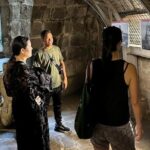
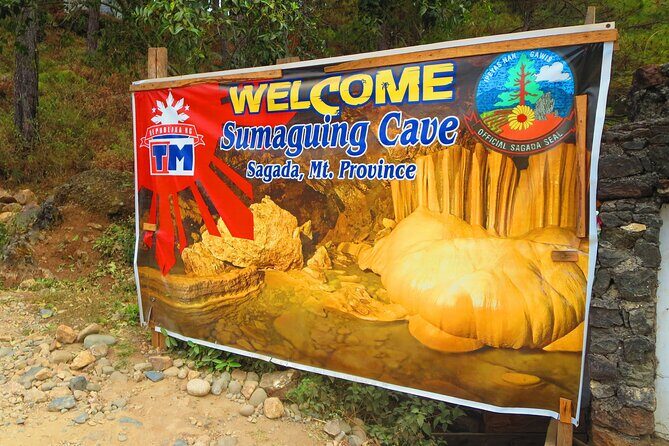
Then comes the cave day, and it’s the kind of experience that tends to stay with you because it feels different from normal sightseeing. Sumaguing Cave is highlighted as a key stop, with the standout described as exploring an underground stream in the lower reaches of the cave system.
You’re not just walking through a dark hall. The description points to water-formed features: elaborate waterfalls of stone, calcium terracing, glittery walls, water-logged stalagmites, and how the cave environment interacts with water. That’s a big deal because caves can be “interesting” in theory, but this one is presented as an active water-and-rock environment.
The tour indicates that admission is included for Sumaguing Cave, which helps you avoid surprise costs when the experience is the main event. Expect about 4 hours on this stop day, which is a solid chunk for cave time plus travel.
Practical note: cave days often mean wet or slippery conditions. Even if the tour doesn’t spell out gear, you should assume you’ll need stable shoes and a willingness to move carefully. This isn’t a day to wear fashion sneakers and hope for the best.
Bomod-Ok Big Falls: the valley walk that earns its name
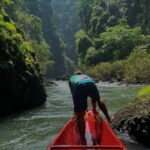
In Sagada country, waterfalls are the next “must-do,” and Bomod-Ok Falls is described as the Big Falls because it’s bigger than Bokong Falls. The plan notes that it’s hidden deep in a valley, and getting there is a hike of about 1 to 2 hours on foot from the main access point.
Admission is included for this stop. That’s helpful because by now you’ll likely be tired of adding tickets and cash logistics in the middle of active days.
What I like about Bomod-Ok in the tour plan is the contrast. A cave day is about enclosed, wet, and cool environments. A waterfall day is about open air, valley terrain, and the payoff of reaching something bigger after effort. The walk gives you the “permission” to feel like you earned the view.
Potential drawback: the valley approach can be slow if you’re not used to uneven paths. Bring a pace you can sustain, and don’t try to “win” the hike.
Price and meal planning for a $1,300 Banaue–Sagada week
At $1,300 per person, this isn’t a casual bargain trip. But it also isn’t just paying for a car and a list of viewpoints. You’re paying for a tight route, air-conditioned transport blocks, all fees and taxes, and paid admissions on key days (like Sumaguing Cave and Bomod-Ok Falls). The tour size cap of 15 also adds value, because smaller groups generally mean less chaos on hike days.
Where the budget hits you is meals. Meals are not included, and the tour suggests setting aside 150–250 pesos per meal per person. That’s actually pretty reasonable for a hiking week in the Philippines, but it does require you to be flexible about what you’ll find day to day.
If you want this trip to feel easier, treat food like part of your gear plan. Plan your hydration and snacks so you’re not relying on one meal at exactly one time slot.
One more value angle: the tour supports pickup and uses a mobile ticket, which can save you time at the start of the week when you’re already waking up too early.
Who this tour suits (and who should think twice)
This trip is best for you if:
- You enjoy active travel and can hike steadily for 6–8 hours a day.
- You like cultural experiences that come with walking and real local context, not just quick photo stops.
- You want a North Luzon route that includes terraces plus caves plus waterfalls in one week.
It may not be ideal if:
- You hate early mornings and long hiking days, even when the scenery is good.
- Your experience with uneven trails is limited. This week involves terrain, not flat sidewalks.
- You want a low-effort itinerary with lots of downtime. The schedule is built for movement.
A funny but helpful truth: your mood matters. If you go in thinking every uphill section is a personal attack, you’ll feel it all week. If you go in treating it like a challenge with rewards at the next turn, the trip feels different.
Should you book this Banaue–Sagada adventure?
I’d book this if you’re aiming for an intense week in the northern Philippines where the days are built around walking into the culture. The rice terrace focus gives real context for what you’re seeing, and the cave + waterfall pairing makes the trip feel varied without breaking the pace.
Skip it if you’re expecting a light sightseeing holiday. This tour is for strong legs and steady pacing. Also, because the experience is weather-dependent, you should be comfortable with the idea that in poor conditions the operator may offer a different date or a full refund.
If you’re fit, curious about Ifugao terrace life, and excited by Sumaguing Cave and Bomod-Ok Falls, this is exactly the kind of trip that turns into a story you tell later.
FAQ
How long is the Banaue–Sagada adventure?
It runs for about 7 days and approximately 6 nights.
Where does the tour start?
It starts in Manila, with a meeting time listed at 3:00 am.
Is pickup offered?
Yes, pickup is offered.
What is the group size?
The tour has a maximum of 15 travelers.
What kind of fitness level do I need?
The tour requires above-average fitness. You should be able to trek mountains for at least 6–8 hours a day.
What activities are included during the week?
The highlights include rice terraces hiking, a waterfall visit, a hot-spring stop (not named in the route details you provided), and spelunking through Sumaguing Cave.
Are admission tickets included?
Some admission tickets are included in the tour plan, such as Banaue rice terraces hiking tours, Sumaguing Cave, and Bomod-Ok Falls. Other stops are listed as admission free.
Are meals included?
No. Meals are not included. The tour suggests preparing about 150–250 pesos per meal per person.
How much does the tour cost?
The price is $1,300.00 per person.
What happens if the tour is canceled due to weather or minimum group size?
The experience requires good weather. If it’s canceled due to poor weather, you’ll be offered a different date or a full refund. If it’s canceled because the minimum number of travelers isn’t met, you’ll be offered a different date/experience or a full refund.