Old Chinatown, new perspective in two hours. This tour through Binondo focuses on places you’d miss on your own—starting at Binondo Church (1596), then moving through Ongpin Street shops, temples, and food classics.
I really like how Venus links what you see to everyday life, including context about the area’s people and history. I also love the practical side: you get guided time plus real rides on jeepneys, an electric tricycle, and a tuk-tuk, so you don’t just stand there taking photos.
One thing to consider: this is a fast, streets-and-stops format. If you hate keeping up in busy areas, you’ll likely feel it in the legs and the timing.
In This Review
- Key Highlights You’ll Actually Feel in Two Hours
- Why Binondo Feels Like Manila’s Chinese-Filipino Story
- Meeting Venus at Tutuban Center: What You Need to Know First
- Binondo Church and the 1596 Time Jump
- Ongpin Street for Herbs, Shops, and the Stuff People Actually Buy
- Food That’s Built for Real Tasting: Eng Bee Tin, Hopia, and Noodles
- Seng Guan Temple: Seeing Faith and Architecture Up Close
- Jeepney, Electric Tricycle, and Tuk-Tuk: The Manila Lesson in Motion
- Hidden Corners Through a Local Lens (Not Just a Shopping List)
- Price and Value: Is $65 Worth It for Two Hours?
- Who Should Book This Chinatown Tour with Venus
- Should You Book? My Practical Take
- FAQ
- How long is the Manila Chinatown with Venus tour?
- Is the tour guided in English?
- What does the tour include?
- Where is the meeting point?
- Is this a small-group tour?
- What transportation do you ride during the tour?
- What food and places are part of the experience?
- Which major landmarks and temples are visited?
- Can I cancel and get a full refund?
Key Highlights You’ll Actually Feel in Two Hours
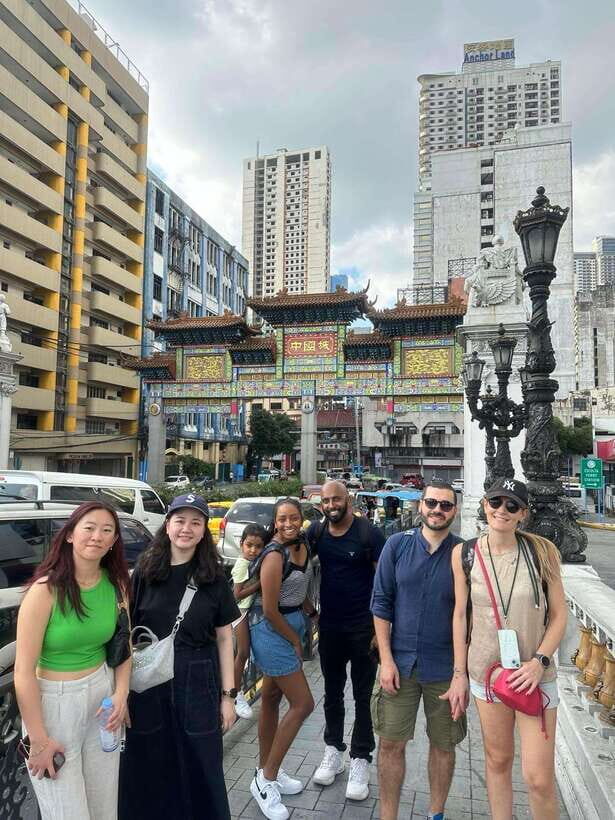
- Binondo Church from 1596 sets the tone fast, with real historical weight right at the start
- Ongpin Street shopping streets for Chinese herbs, delicacies, and small trinkets you can’t easily “google”
- Eng Bee Tin and other classic bites, including dim sum, hopia, and hand-pulled noodles
- Seng Guan Temple for a close-up look at local religious practice and intricate temple details
- Jeepney, electric tricycle, and tuk-tuk rides that make the tour feel like moving through real Manila
Why Binondo Feels Like Manila’s Chinese-Filipino Story
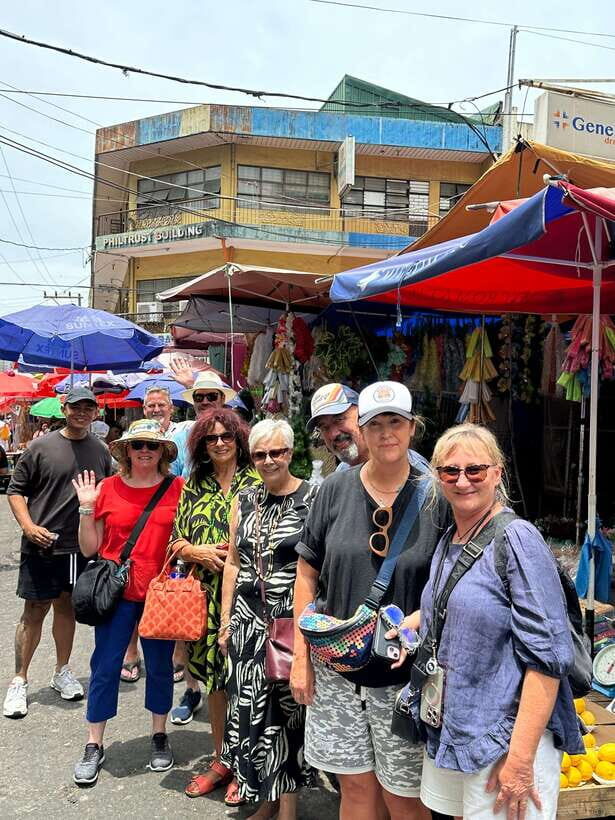
Manila’s Chinatown, known as Binondo, is where Chinese and Filipino life have rubbed shoulders for centuries. Even if you’ve been to Chinatown streets before, this area has a special rhythm because you’re walking between religious sites, market-style shopping, and everyday people’s routines.
What makes this tour work is the balance. You’re not only chasing food or only chasing landmarks. You also get the sense of why these places matter to locals, not just why tourists photograph them. That’s where a guide like Venus earns her fee.
You can also read our reviews of more tours and experiences in Manila.

Meeting Venus at Tutuban Center: What You Need to Know First
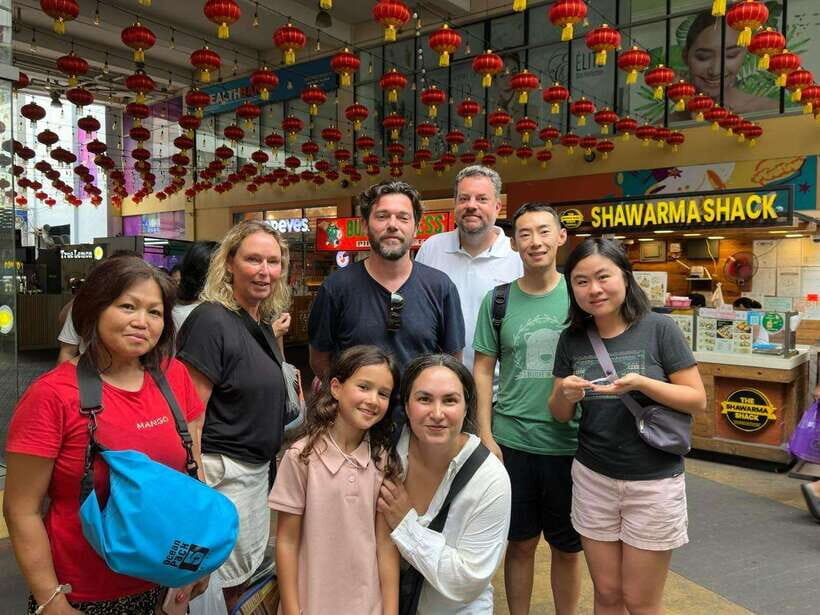
The tour meets at Tutuban Center Mall, near the Bonifacio Monument. The simple move: ask mall security where to find the group meeting spot once you’re inside.
This is an English, live-guided tour, designed for a small group. The duration is 2 hours, and the pace is built around seeing multiple stops without turning it into a half-day production.
One practical point: since local transportation is part of the experience and you’ll be moving between neighborhoods and streets, wear comfortable shoes. You’ll want them the moment the first ride or quick walk begins.
Binondo Church and the 1596 Time Jump
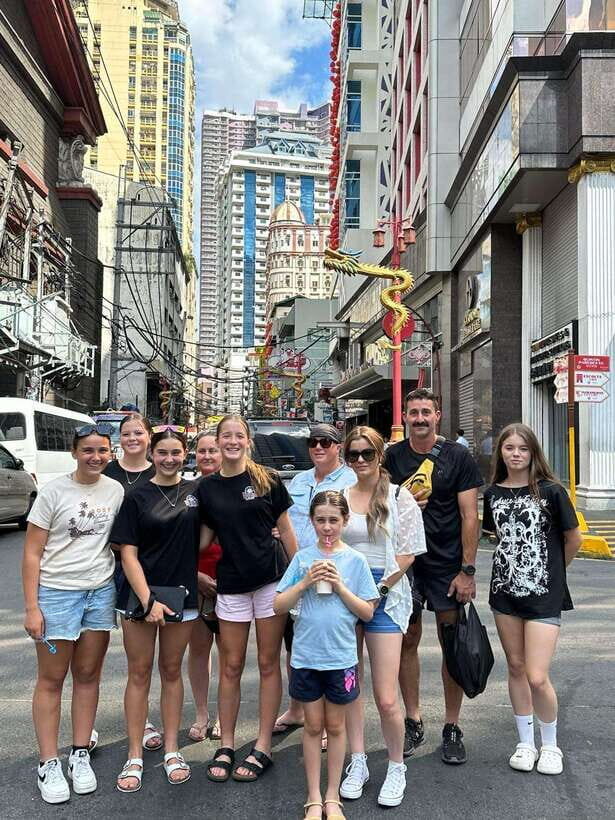
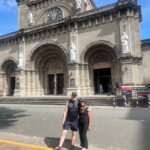
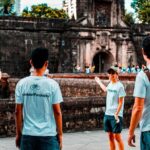
You start at Binondo Church, a historic landmark dating back to 1596. That date isn’t a trivia flex—it changes how you look at everything around it. Standing there, you can feel how long this area has been a crossroads rather than just a “place to eat.”
As you walk away from the church, the guide’s context helps you connect the dots. You’ll understand how the church’s presence fits into the broader Chinatown story and why it remains a reference point for visitors and locals.
This is also a strong “first win” stop because it gives you orientation fast. After that, Ongpin Street and the food streets make more sense, since you’re already anchored to a place with timeline weight.
Ongpin Street for Herbs, Shops, and the Stuff People Actually Buy
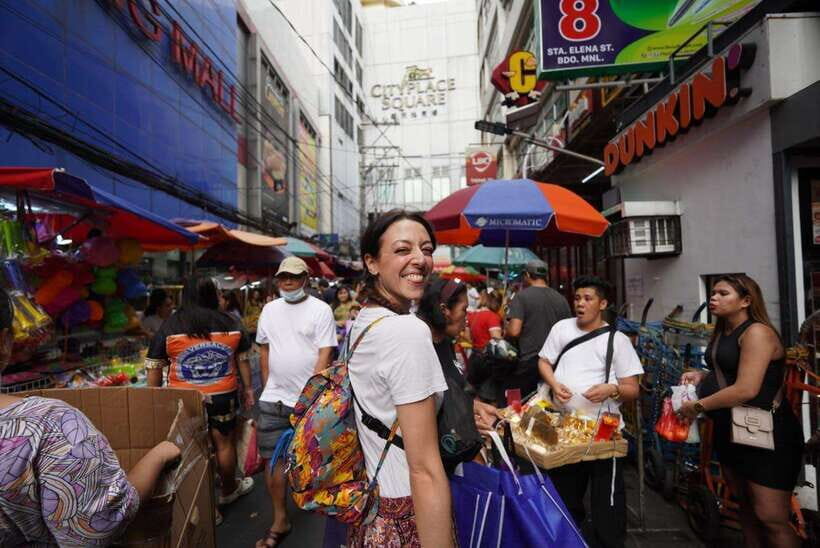
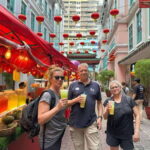
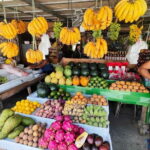
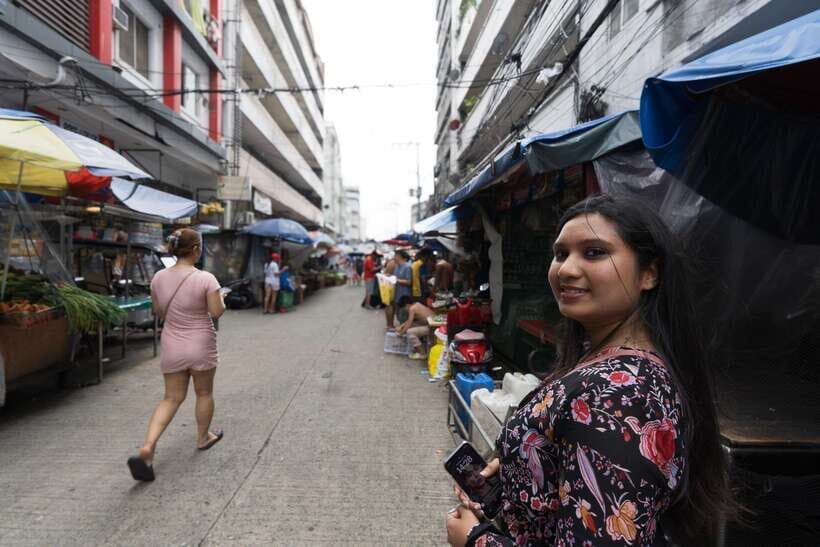
Next comes Ongpin Street, lined with shops selling traditional Chinese herbs, delicacies, and small goods. This is one of the best “read the neighborhood” stretches in Chinatown because it’s commercial, yes—but it’s also practical.
You’ll see shelves and displays built around the kinds of products people use, not just items made to look cute for photos. Even if you don’t buy anything, you’ll come away understanding the logic of the street: what’s sold, who sells it, and how the area earns its daily keep.
This part of the tour is also where the pace can feel quick. The streets are active, and Venus moves you through the right lanes so you’re not stuck waiting behind crowds. If you’re the type who likes to stop for extra photos, plan on doing that during brief pauses rather than expecting long hangs.
Food That’s Built for Real Tasting: Eng Bee Tin, Hopia, and Noodles
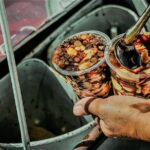
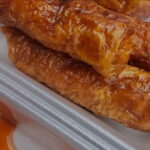
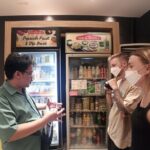
Food is a major reason people book Binondo tours, but this one stays grounded in the classics you can recognize later. You’ll try Chinese dishes like dim sum and hopia, plus hand-pulled noodles from well-loved places such as Eng Bee Tin and Dong Bei Dumplings.
Here’s what I like about this structure: you get a mix of textures and flavors instead of repeating one style of dish. Dim sum gives you small, shareable bites. Hopia adds that sweet-and-filling counterpoint. And hand-pulled noodles bring the satisfying chew that makes the whole Chinatown experience feel real, not staged.
A smart tip for tasting tours: go in with a normal appetite, not an empty stomach but not a full meal either. You want your taste buds ready, especially if you’re sampling items that can be sweet, savory, spicy, and rich all within a short window.
Also, keep an eye on how Venus guides you through ordering and what to expect from each stop. That’s the difference between eating “random Chinatown snacks” and learning what a dish is supposed to taste like.
Seng Guan Temple: Seeing Faith and Architecture Up Close
Then you move from food streets into something quieter but more visually demanding: temples like Seng Guan Temple. This is where you get a different angle on Chinatown. Less about buying and eating, more about observing religious practice and intricate architecture.
If you’ve never seen a Chinese temple in Manila up close, this stop can feel like a sudden change of pace—in a good way. You get to slow down visually, noticing details you’d probably miss if you were rushing between restaurants.
The value here isn’t just aesthetics. It’s context. When you understand that these spaces are still used and still meaningful, the neighborhood becomes more than a “food crawl.” It turns into a living place with traditions running through it.
Jeepney, Electric Tricycle, and Tuk-Tuk: The Manila Lesson in Motion
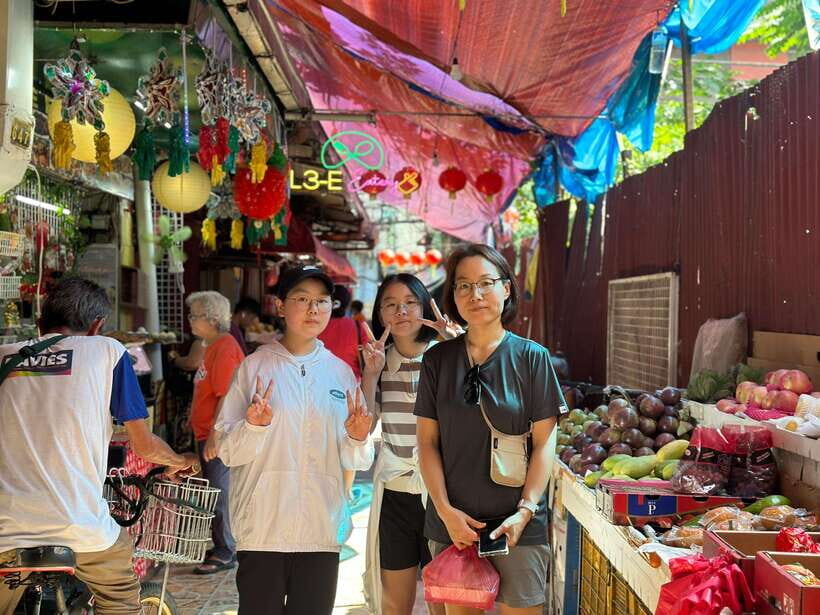
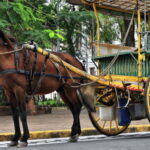
One of the most memorable parts of this tour is transportation. You’ll ride jeepneys, an electric tricycle, and a tuk-tuk as part of the experience, not just as a transfer between points.
Why it matters: transport is how you see how the city moves. Watching it from the sidewalk is one thing. Sitting in it, feeling the turns and the stop-and-go traffic rhythm, is another. This is also one of those “you can’t DIY it well” moments—unless you already know where to go and how to navigate the timing.
The best part is that Venus doesn’t just shuffle you along. She helps you feel comfortable in each area, which matters in a fast, street-heavy environment. Her experience shows in how efficiently she gets you moving without making the trip feel chaotic.
Hidden Corners Through a Local Lens (Not Just a Shopping List)
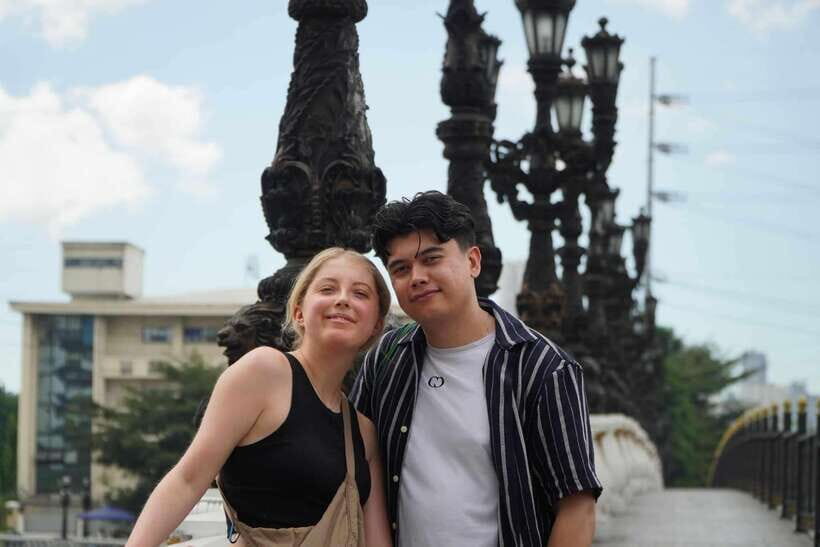
A lot of Chinatown tours feel like a checklist: church photo, street photo, food, done. This one tries to do more through the guide’s route choices and commentary.
Venus takes you down streets you might skip if you were exploring independently. That matters because some of the most interesting details in Chinatown are the ones you only notice after you’ve turned off the main path. It’s shop signs, small side stalls, and the way locals flow through their daily movement.
And she adds meaning to it. In particular, the way she explains daily life and how Binondo came to be helps you connect the physical streets to human stories. That’s the difference between “I ate there” and “I understand why this place looks like this.”
Price and Value: Is $65 Worth It for Two Hours?
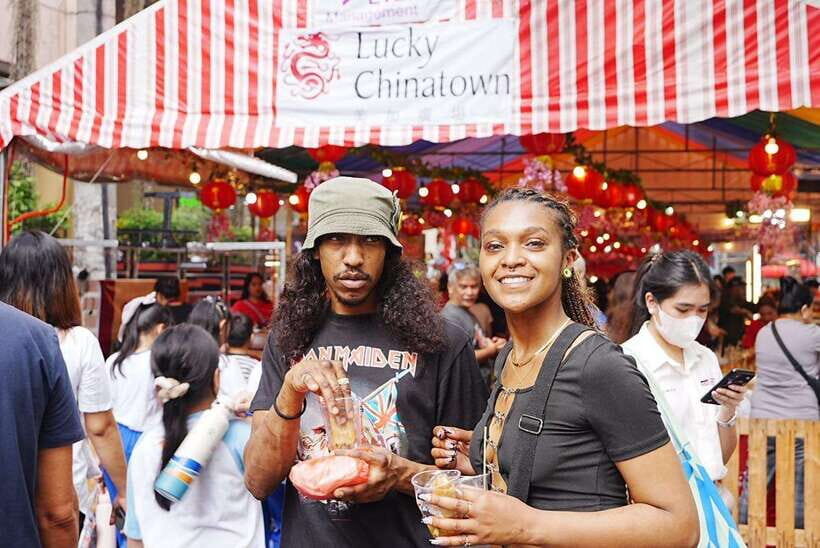
At $65 per person for 2 hours, the value depends on what you compare it to.
If you’re thinking about DIY-ing: you’re not just paying for a guide. You’re paying for route planning, real navigation through the streets, and interpretive context so you don’t miss the point of what you’re seeing. You’re also paying for local transportation as part of the experience, which adds up quickly if you’re hiring rides on your own.
If you’re comparing it to other guided food tours: the standout here is that it’s not only food. You get major landmarks like Binondo Church and Seng Guan Temple, plus multiple transport modes. That mix makes it feel like you’re covering more than one type of activity in one compact time.
Also, the small-group setup helps. With a limit that can keep the group very small, the experience feels less like following a herd and more like a guided walk with a plan.
Who Should Book This Chinatown Tour with Venus
This fits well if you:
- want an efficient 2-hour introduction to Binondo
- care about history and daily life, not just eating
- like guided street movement that still feels practical
- enjoy trying classic Chinese-Filipino dishes at reputable spots
It may not fit as well if you:
- prefer slow walking with lots of standing and staring
- hate feeling rushed between stops
- need long pauses for photos or shopping
The good news is that you can still set your own comfort level. If you speak up early, Venus can often steer you toward quick photo moments without losing the tour rhythm.
Should You Book? My Practical Take
If you want a short, high-impact way to understand Manila’s Chinatown through landmarks, food, and local transport, I’d book this. The pairing of Venus’s storytelling with the on-the-street logistics makes it feel like you’re being shown the city by someone who actually knows how to move through it.
The only real downside is pace. If two hours of active walking and transport sounds like your kind of travel, this is a great use of time. If you want a slow stroll where nothing has to happen on schedule, you may want a longer, less compressed tour instead.
FAQ
How long is the Manila Chinatown with Venus tour?
It lasts 2 hours.
Is the tour guided in English?
Yes, the live tour guide speaks English.
What does the tour include?
It includes a local guide, bottle water, and experience local transportation.
Where is the meeting point?
The meeting location is Tutuban Center Mall by the Bonifacio Monument. Ask mall security where to find it.
Is this a small-group tour?
Yes, it’s a small group, with a limit stated as 1 participant.
What transportation do you ride during the tour?
You ride jeepneys, an electric tricycle, and a tuk tuk.
What food and places are part of the experience?
You’ll try Chinese dishes such as dim sum, hopia, and hand-pulled noodles, including stops at Eng Bee Tin and Dong Bei Dumplings.
Which major landmarks and temples are visited?
You start at Binondo Church (dating back to 1596) and you visit Seng Guan Temple, plus time along Ongpin Street.
Can I cancel and get a full refund?
Yes. You can cancel up to 24 hours in advance for a full refund.