REVIEW · MANILA
Manila: Intramuros Myths and Nights Tour
Book on GetYourGuide →Operated by Manila Revolution Tour · Bookable on GetYourGuide
Night stories make Intramuros history click. This 2-hour Manila tour pairs folklore with the places where colonial power and resistance collided, starting at Plaza Moriones and moving through major historic stops in the walled city. I like the way it treats myths like a lens on identity, not just spooky entertainment, and I really appreciate the balance of ghost stories with real historical framing. One thing to consider: it’s built around walking between sites, so it’s not a great pick for very limited mobility, and it’s not suitable for people over 95.
You get to choose a day or night version, so you can match the mood to your travel style. If you’re traveling solo, the experience also feels well managed, with the guide adjusting to what the group needs and keeping things moving. My main caution is weather and comfort: for night tours especially, plan for cooler air and insects, because the stops include outdoor shade points like the Acacia tree and other large landmark trees.
In This Review
- Key Moments You’ll Remember in Intramuros
- Entering the Walled City with Myths as a History Tool
- Plaza Moriones Meeting Point and the Night-Sky Story Rhythm
- The Acacia Tree Stop: Aswang, Kapres, and How Fear Spreads
- Fort Santiago and the Balete Tree: White Ladies and Duwende Thinking
- Jose Rizal’s Chapel-Cell: Agimat, Monasticism, and Resistance Memory
- The Dungeons: 600 Civilians, Ghosts, and the Cost of Suppression
- Manila Cathedral and San Agustin: Catholicism and Local Beliefs
- Puerta del Parian: Closing on Uprisings and Why It Feels Personal
- Price and Value: What $49 Buys in 2 Hours
- What to Bring (and How to Stay Comfortable)
- Who Should Book This Intramuros Myths and Nights Tour
- Should You Book This Tour?
- FAQ
- Where does the Manila: Intramuros Myths and Nights tour start?
- How long is the tour?
- How much does it cost?
- Is this tour only at night?
- What languages are offered?
- What’s included in the ticket price?
- Does it include a way to avoid long lines?
- What should I bring?
- Is the tour wheelchair accessible, and is there any age limit?
- What to Know Before You Go
Key Moments You’ll Remember in Intramuros
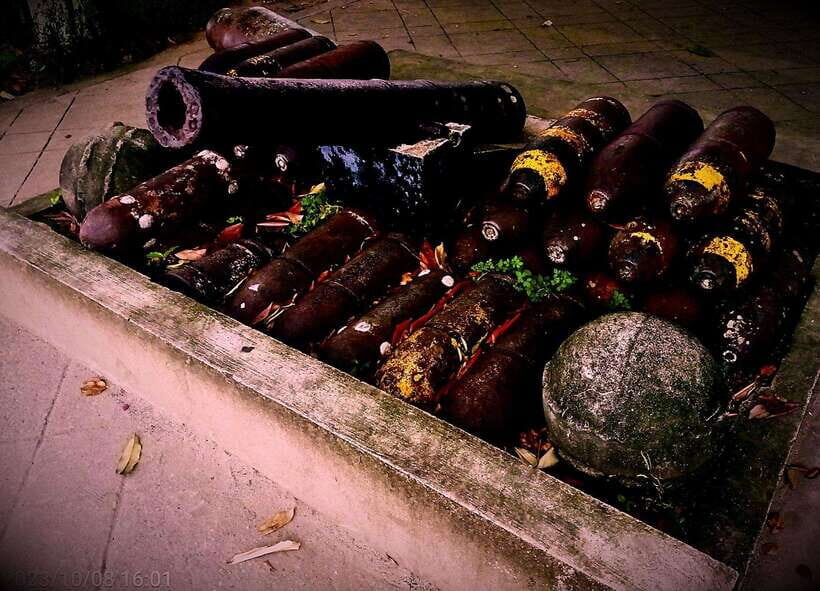
- Plaza Moriones under the Acacia tree: Aswang and Kapres stories tied to how people explained fear and power
- Fort Santiago under the Balete tree: White ladies and dwendes discussed as more than scary legends
- Jose Rizal’s chapel-cell and dungeons: The tour centers on what was suppressed and what was remembered
- Manila Cathedral and San Agustin: Catholicism described as blending with older beliefs in ways locals had to live with
- Puerta del Parian: A closing focus on uprisings and the emotional pull of resistance
Entering the Walled City with Myths as a History Tool
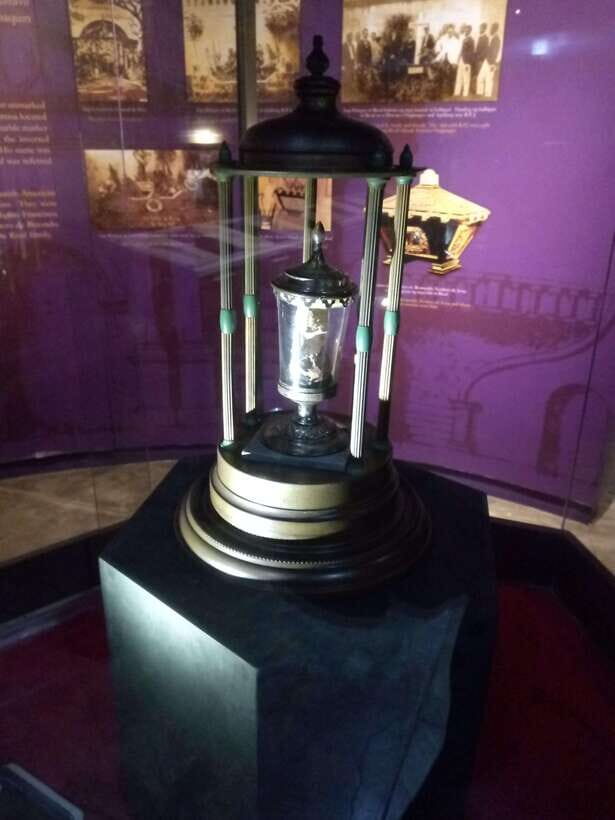
Intramuros can feel like a museum with stones. This tour makes it feel like a living argument between stories people were told and stories people held onto. The core idea is simple: myths were never only for entertainment. In this walled city, folklore becomes a way to understand how Filipinos processed colonization, fear, faith, and resistance.
You’ll start in the open, then move site to site where the guide connects what you see on the walls with the beliefs people carried in their heads. I like this approach because it keeps the tour from becoming a straight lecture. Instead, you get characters from Philippine mythology—Aswang, Kapres, Tikbalang, Duwende, and more—and you learn what each legend can represent in the bigger story of independence.
You can also read our reviews of more tours and experiences in Manila.

Plaza Moriones Meeting Point and the Night-Sky Story Rhythm
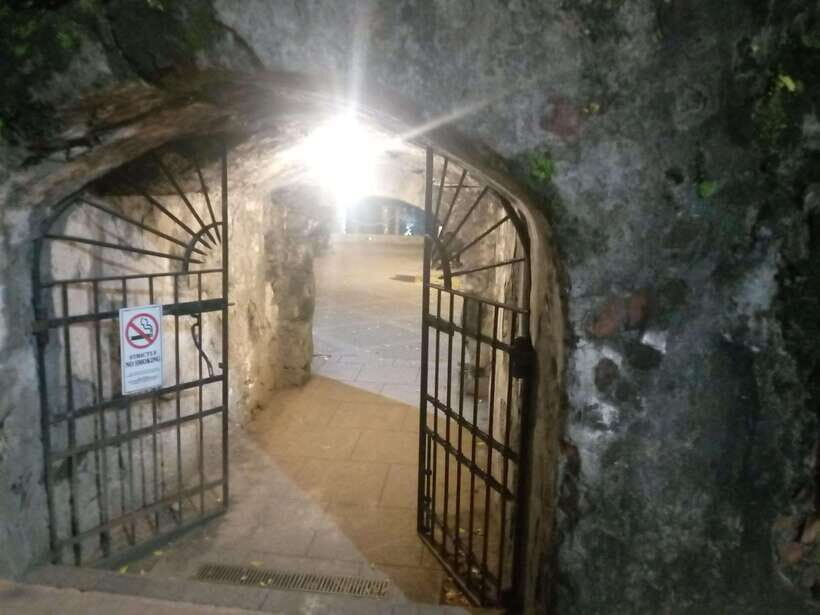
Most tours begin with logistics. This one begins with atmosphere. The meeting point is Plaza Moriones, and from there you’ll listen to the guide’s history and mythology of Filipinos as the night (or daylight, if you chose the day tour) frames the scene.
Plaza Moriones is also where you get an early taste of the tour’s style: story-first, place-second, and then both connected. The guide highlights how Spanish colonial authorities, according to the tour’s framing, manufactured or amplified horror tales to suppress nationalism. That doesn’t mean you only get scare tactics and propaganda talk. You also get a sense of how folklore spread through everyday life, including the kinds of creatures many people heard about as kids.
It’s a practical start too. By the time you leave Plaza Moriones, you’ve already learned the “language” of the tour, so the later sites land harder instead of feeling random.
The Acacia Tree Stop: Aswang, Kapres, and How Fear Spreads
One of the earliest anchor points is the Acacia tree in Plaza Moriones. This is where the guide focuses on stories you might have heard before, but now with explanations for why they mattered.
You’ll hear about Aswang, described as a Filipino vampire-like figure in the tour’s wording, plus Kapres, along with other mythological beings said to influence childhood imaginations. The takeaway isn’t just that these creatures are scary. The tour links folklore to survival psychology—how people learned to interpret danger, protect themselves, and make sense of outsiders and power.
If you’ve visited Intramuros before, this stop is where the experience often feels different from a standard walking tour. Instead of only dates and names, you get the emotional logic behind the myths. It’s also where the guide’s humor tends to show up, which helps when the topic shifts from spooky stories to the darker parts of colonial control.
Fort Santiago and the Balete Tree: White Ladies and Duwende Thinking
Next comes Fort Santiago, and it’s another turning point. Fort Santiago has a heavy atmosphere by itself, and the guide leans into that feeling by discussing legends under the Balete tree.
Here you’ll hear about the “white ladies” and dwendes (the tour also calls them dwarves). The discussion goes beyond “there’s a ghost story here” and focuses on how Spanish narratives reshaped local belief systems. In the tour’s framing, colonizers didn’t only change laws and buildings. They also tried to steer minds—turning locals against their own culture and making the conquerors seem superior.
That’s the value of this portion. You’re walking through a fortress, yes, but you’re also learning how mindset control can be just as real as physical control. The legend elements are the vehicle. The underlying theme is what makes people accept new authority.
One practical note: because you’re outdoors near landmark trees, you’ll want insect repellent. The tour specifically asks you to bring biodegradable insect repellent, which is a big hint that nighttime walking can mean real bug contact.
Jose Rizal’s Chapel-Cell: Agimat, Monasticism, and Resistance Memory
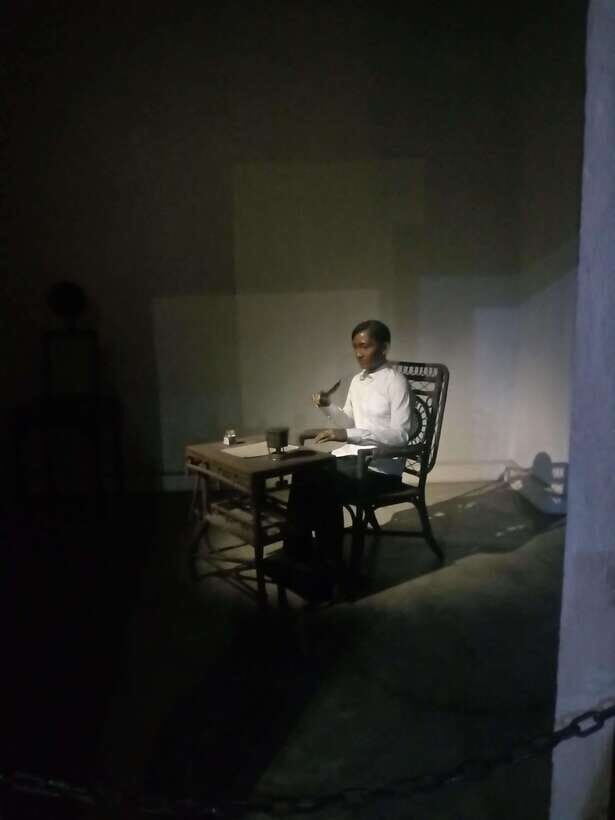
Then the tour shifts to the Jose Rizal chapel-cell. This stop is where the story becomes less mythical and more symbolic in a different way. You’ll hear about how concepts connected with the agimat (protective charms) and monasticism took part in the struggle for independence.
This is one of the tour’s most moving ideas: spirituality and personal protection aren’t treated as superstition here. They’re presented as tools people used during a time when independence felt distant and survival mattered.
From a visitor’s perspective, this part helps you connect two things that don’t always get linked on other tours: belief systems and political resistance. It’s not only about who ruled. It’s about how people coped with rule—and how they protected hope.

The Dungeons: 600 Civilians, Ghosts, and the Cost of Suppression
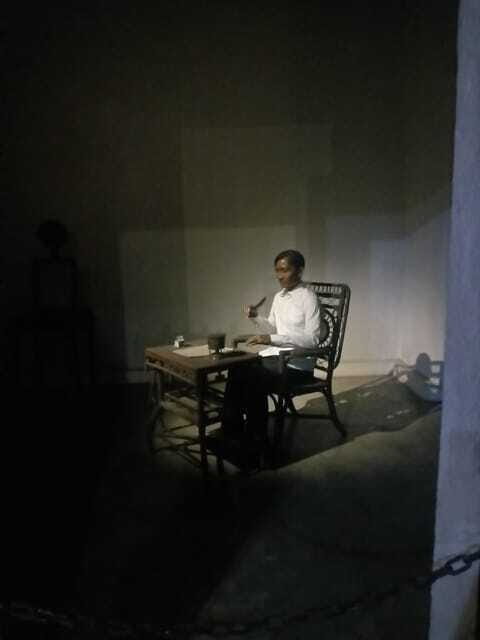
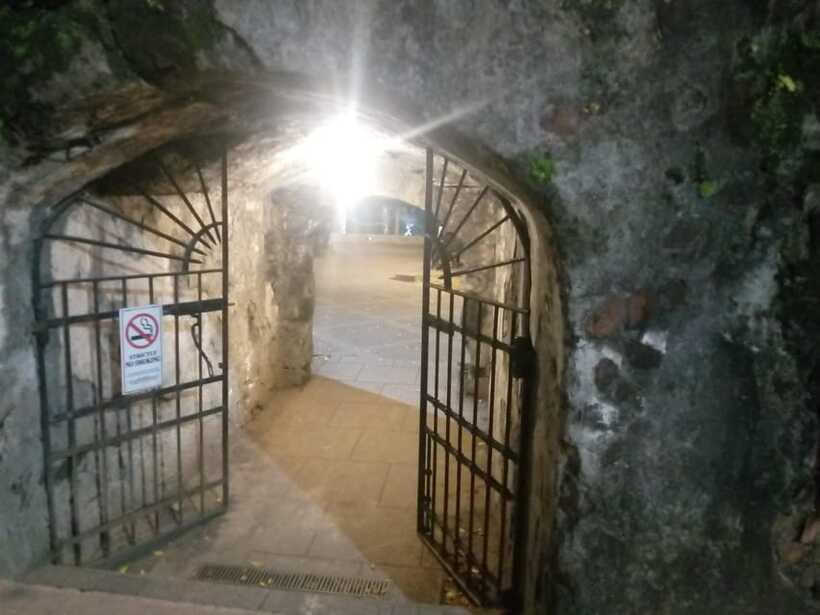
After the chapel-cell, you’ll move into the dungeons and the darker layers of Fort Santiago. The tour asks you not to fear the ghosts of the 600 civilians who died there, framing the suffering as something you should remember, not dismiss.
That’s a crucial difference. Some tours treat tragic sites as quick photo stops. This tour treats them as part of an emotional equation: memory versus oblivion. It wants you to carry the weight of what happened, but without getting stuck in pure dread.
Even if you’re not the type who loves dark history, this section can still work because the guide ties it back to the larger theme: how colonization used fear and narrative control to break spirit. When you understand that theme, the site becomes more than architecture.
Manila Cathedral and San Agustin: Catholicism and Local Beliefs
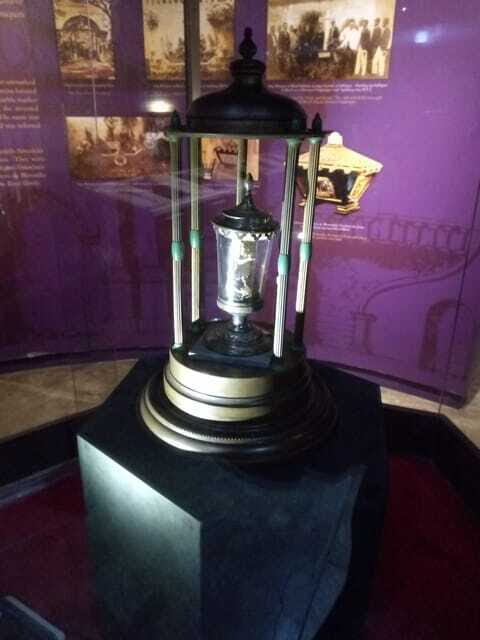
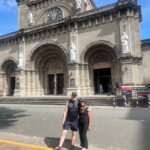
The route continues to the churches of Manila Cathedral and San Agustin. This is where the tour makes a big interpretive move. You’ll learn about how Catholicism merges with local religions—according to the tour’s explanation—and how, in the conquerors’ mindset, older supreme beings of the natives became twisted into demons.
In practice, what you’ll experience is a story of religious change that isn’t only theological. It’s cultural pressure: whose beliefs get framed as truth, and whose beliefs get reframed as evil. The tour uses mythology as a bridge to explain how people lived through that shift rather than simply watching history happen from far away.
If you’re religious, you might find yourself thinking about syncretism in a new way. If you’re not, you’ll still get a strong sense of how belief systems were negotiated in daily life. Either way, these church stops become more than beautiful buildings. They become evidence of cultural transformation.
Puerta del Parian: Closing on Uprisings and Why It Feels Personal
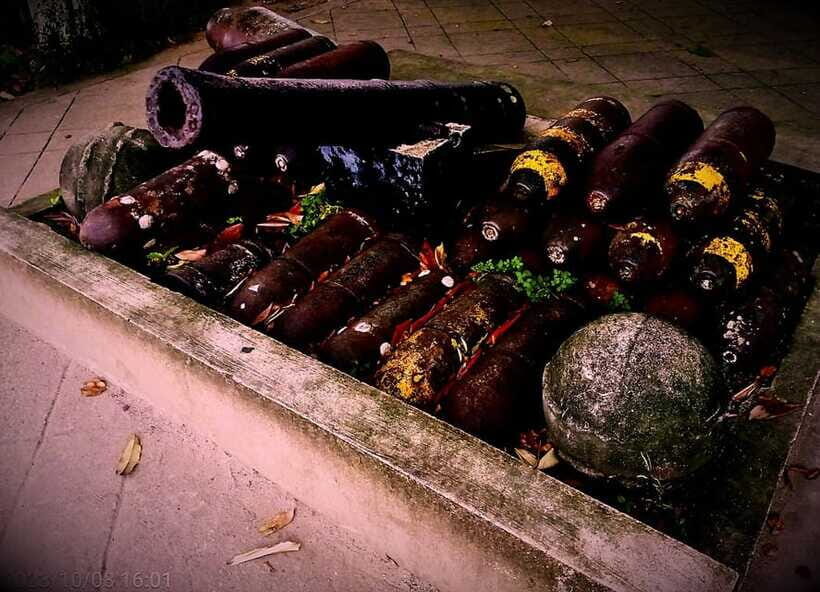
The tour ends at Puerta del Parian, and the message here is emotional. The guide ties the location to the spirit of uprisings, meaning you leave with the sense that resistance isn’t only an event in the past. It’s a thread that runs through stories, places, and community identity.
By the time you reach the closing point, you’ve already traveled through three “languages”:
- mythic creatures (Aswang, Kapres, Tikbalang, Duwende)
- colonial fear narratives
- spiritual and political resistance themes
Puerta del Parian becomes the moment where everything stops feeling like separate topics. You finish the walk with a clearer idea of what the tour is actually trying to do: help you see independence as something people carried in their minds long before it became a result on paper.
Price and Value: What $49 Buys in 2 Hours
At $49 per person for about 2 hours, you’re paying for more than a guide with a route. This tour includes an entrance fee, the guide’s fee, and a snack, plus it includes skip-the-line access through a separate entrance.
That matters because Intramuros can slow you down with crowd bottlenecks. A separate entrance can shave off stress, which is not nothing when you’re doing multiple stops in one compact window.
For value, I think the real question is whether you want a straightforward historical script or a story-driven interpretation. If you like history with personality—and you’re curious about how folklore fits into independence—this price can feel fair because the guide’s approach turns stops into conversations. You’ll also appreciate that languages offered include English and German, and the tour is designed to be understandable and interactive.
The included snack is also practical for a short outing. Two hours can go by fast when you’re walking and listening, and having something small helps keep energy steady.
What to Bring (and How to Stay Comfortable)
The tour asks you to bring biodegradable insect repellent. Take that seriously, especially for night versions, because outdoor sites near trees and open areas can mean more bites than you expect.
Beyond that, I’d pack the usual walking basics:
- comfortable shoes with grip for uneven old-stone paths
- a light layer if you’re doing a night tour
- water (even if you’re only out for two hours)
Also, since the tour covers chapel-cell and dungeon areas, be prepared for cooler, darker spaces and the kind of solemn tone that can come with them. It’s not a jump-scare ride. The guide uses the fear themes to explain history.
Who Should Book This Intramuros Myths and Nights Tour
This tour is a great fit if you fall into one of these groups:
- You want more than facts. You want meaning: how stories shaped identity under colonial rule.
- You like Philippine mythology and want it connected to real places and historical framing.
- You’re traveling with a friend and you both enjoy the mix of spooky and serious.
- You’re a returning Intramuros visitor who wants a different angle than the usual monuments-and-dates route.
It might be less ideal if:
- you dislike walking outdoor segments between sites
- you want purely academic, straight-line history with no myth-based interpretation
- you’re over 95 years old, since the tour is not suitable for that age group
If you’re the type who asks questions, you’ll likely enjoy this style. The guide’s approach is interactive, and you can get explanations tailored to what you’re curious about—especially around legends like Aswang, Duwende, and Tikbalang.
Should You Book This Tour?
Yes, if you want Intramuros to feel like a story you can walk inside. The value is strong for a short two-hour tour because it blends entrance access, a snack, and a guide who ties mythology to colonial power and independence. It also helps that the experience is offered in English and German, and you get the option of a day or night mood.
Skip it if you want a simple checklist of sites and dates. This tour is for people who enjoy interpretation—how fear tales, religious change, and resistance themes fit together when you stand in the places they happened.
FAQ
Where does the Manila: Intramuros Myths and Nights tour start?
The tour departs from Plaza Moriones.
How long is the tour?
It lasts about 2 hours.
How much does it cost?
The price is $49 per person.
Is this tour only at night?
No. You can choose between a day or night tour.
What languages are offered?
The live tour guide is available in English and German.
What’s included in the ticket price?
Entrance fee, the guide’s fee, and a snack are included.
Does it include a way to avoid long lines?
Yes. There is a skip-the-line setup through a separate entrance.
What should I bring?
Bring biodegradable insect repellent.
Is the tour wheelchair accessible, and is there any age limit?
Yes, it is wheelchair accessible. It is not suitable for people over 95 years.
What to Know Before You Go
If you’re deciding between day and night, choose based on your comfort with outdoor time. Night versions align well with the tour’s myths-and-horror tone, while day versions make the walking easier to take in. Either way, wear shoes you trust, bring repellent, and be ready for a story-led walk that links Philippine folklore to the struggle for independence.