REVIEW · MANILA
Manila: Intramuros Tour ( Dark)
Book on GetYourGuide →Operated by Manila Revolution Tour · Bookable on GetYourGuide
Fort Santiago has a way of making night feel louder. This 2-hour Intramuros Dark tour blends haunted stories of the Old Manila walls with real, heavy history, guided step by step in the places where the past still presses in. I especially like how the tour doesn’t treat the Dark theme as just spooky fun.
You get a guided walkthrough built around major sites like Fort Santiago, plus the stories tied to Rizal, wartime prisoners, and the revolution. I also like that you’re not stuck figuring things out alone since your guide keeps the narrative flowing in either English or German and helps you skip the ticket line.
One consideration: the subject matter is intense, and the walking is real. If you’re bringing kids under 12, or you need help with mobility, this may not be your best match despite the stated accessibility note.
In This Review
- Key things to know before you go
- Fort Santiago at the start: what the Dark theme really means
- The walking route through Fort Santiago’s ghosts and facts
- Rizal’s prison cell and the weight of reformism
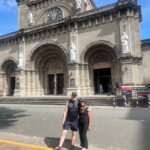
- Manila Cathedral: power struggles and who got hurt
- General Luna Street and the Philippine-American War courage tales
- Saint Agustin Church: resiliency across periods
- Bonifacio Shrine and the revolution story comes home
- Price, time, and what you get for $48
- Who should book this Intramuros Dark tour
- Practical tips so you enjoy the walk
- Should you book this tour?
- FAQ
- Where does the Intramuros Dark tour start?
- How long is the tour?
- What are the main stops during the tour?
- Do you get admission to Fort Santiago included?
- Is there a ticket line to wait in?
- What languages is the live guide available in?
- Is the tour private?
- Are meals included?
- What should I bring?
- Is it suitable for children?
- Is smoking allowed?
Key things to know before you go
- Start at Fort Santiago and begin with the tour focus right where Intramuros history is thickest
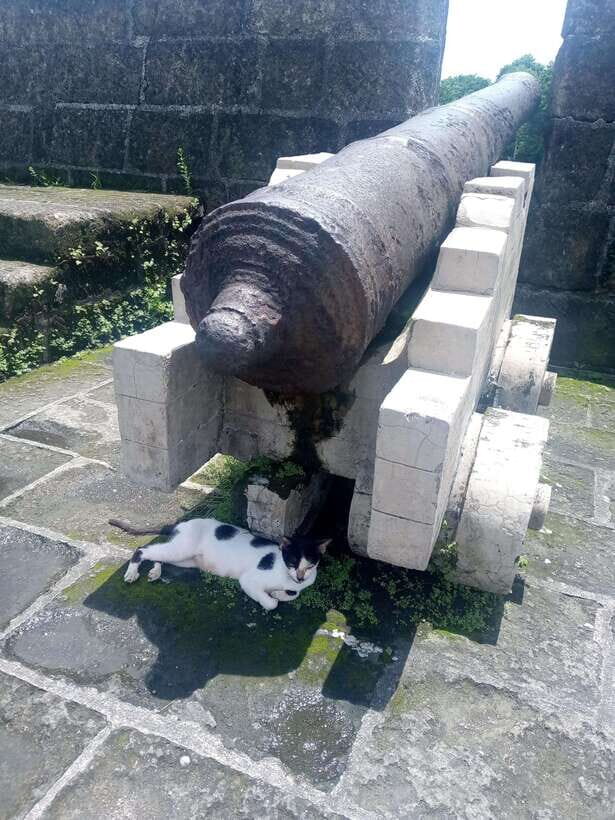
- Haunted-story stops include the Old American Barracks, dungeons, and baluartes, described as common spirit-sighting areas
- Rizal’s last prison cell is a key moment, tied to reformist ideas that shaped the nation
- Chambers tied to 600 civilian POW deaths and a mass grave are part of the walk
- Manila Cathedral and Saint Agustin Church bring the theme to church-and-state conflict and later resiliency
- Bonifacio Shrine at Manila City Hall is the closing tribute to Andres Bonifacio and other revolutionaries
Fort Santiago at the start: what the Dark theme really means
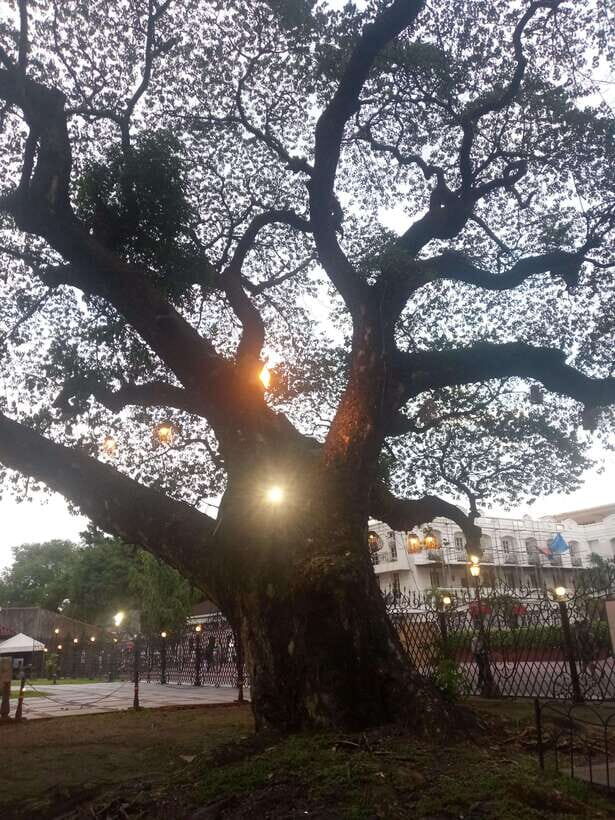
The tour begins at Fort Santiago, which matters because you’re not starting in a random plaza with vague stories. You walk into the actual fortress setting where the guide connects architecture to history, and then to the darker legends people attach to those spaces.
The Dark theme isn’t just ghost lore. It’s ghost lore plus documented suffering: atrocities in the walled city, prisoners and mass death, and the way power struggles played out. That combo is what makes this experience stick. It feels like you’re hearing two layers at once: what happened here, and what people still whisper about because the events were brutal.
I also like that the guide’s tone keeps you moving. You’re not left to stare at walls for an hour and guess. Instead, you’re handed a thread: pre-Hispanic leaders, Japanese occupation, and names you can anchor in your mind as the walk continues.
If you’re expecting a lightweight scare-and-sprint tour, you might be disappointed. This is more like a respectful, guided walk through trauma and memory, with the supernatural angle used to frame how people interpret the place.
You can also read our reviews of more tours and experiences in Manila.

The walking route through Fort Santiago’s ghosts and facts
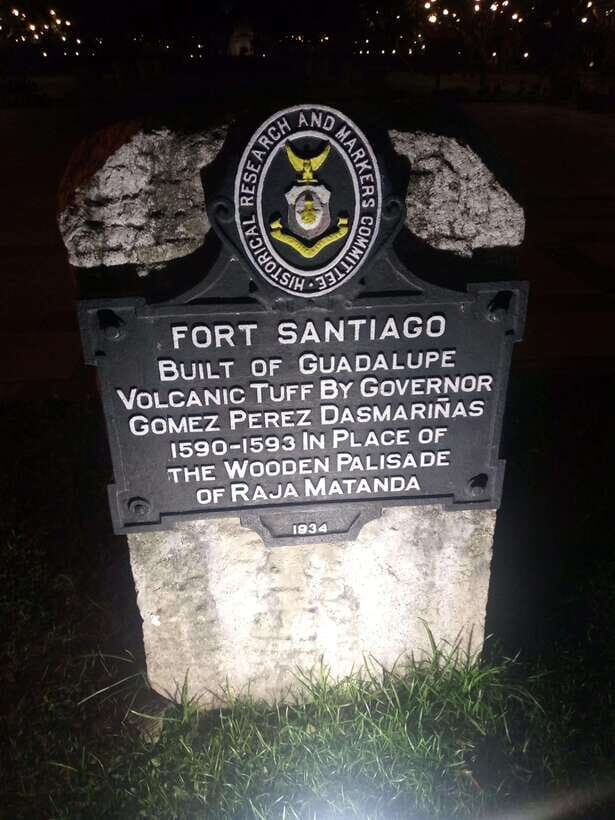
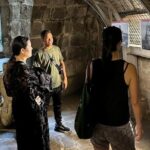
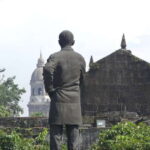
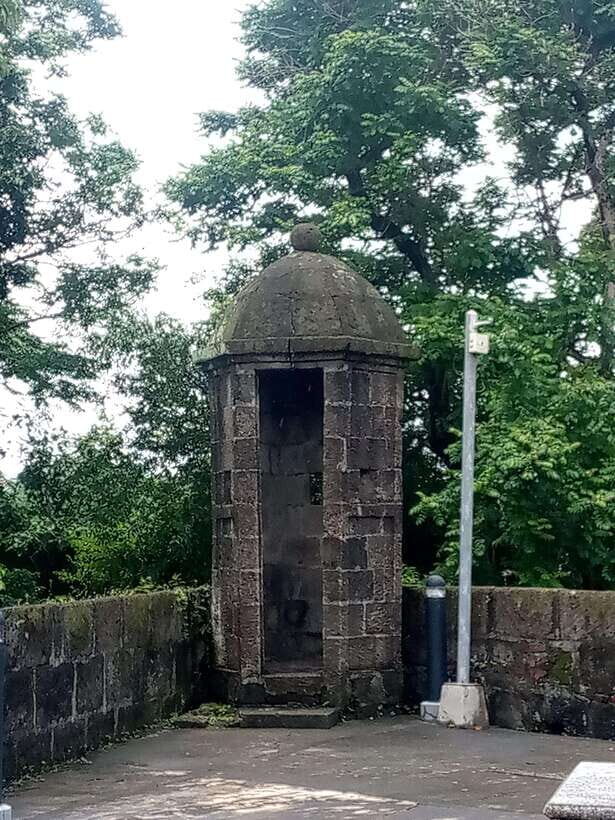
Your Fort Santiago portion is about one hour of guided time, which is a good length for this kind of storytelling. The guide points out areas tied to the haunted side of the tour, including the Old American Barracks, dungeons, and baluartes—places said to be common spots for spirit sightings.
Then the stories shift from “spooky” to “this is why it feels haunted.” You’ll hear about atrocities that took place inside the walled city and how those horrors likely fed the Dark legends people associate with the site. Whether you view that as metaphor or folklore, the emotion of the history is what makes the experience land.
You’ll also hear acknowledgments of unsung patriots across multiple eras: from pre-Hispanic times through the Japanese occupation. Names that come up include Rajah Sulayman, Andres Novales, and Gen. Vicente Lim, which is helpful because it turns broad conflict into specific people you can remember.
One vivid part of the experience is the dungeon story. You’re guided through what the dungeons are said to have offered, including the idea of a thin oxygen supply, plus the grim reality of what happened there. That section may feel heavy, but it’s also the clearest explanation of why these locations became part of both history lessons and haunting narratives.
Rizal’s prison cell and the weight of reformism
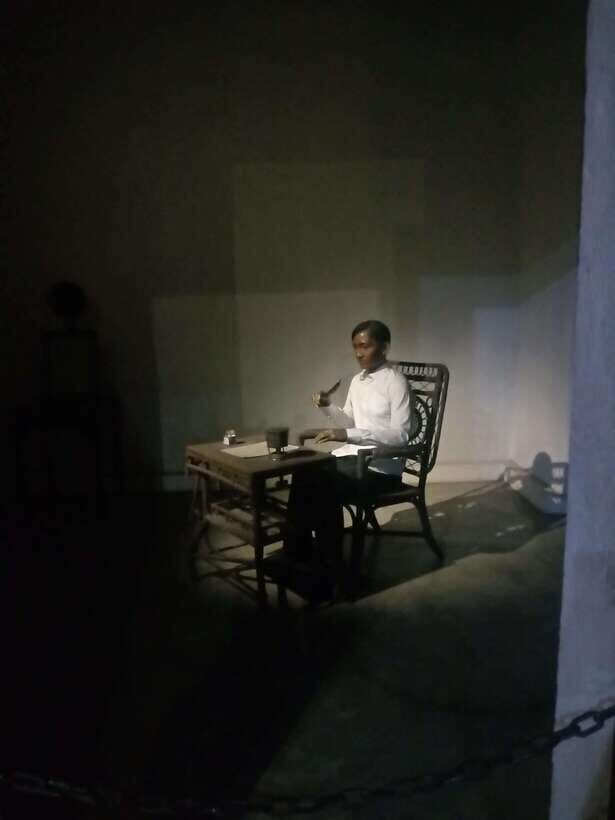
After the fortress groundwork, the tour lands on one of Intramuros’ most emotionally charged stops: the last prison cell of Dr. Jose Rizal. The guide ties this moment to narratives of reformism, the kind of thinking that helped shape the nation’s direction.
This is where you’ll want to slow down in your own mind, even if you’re still walking. The cell isn’t presented as a generic photo stop. It’s framed as a key point in Rizal’s story and in the bigger theme of reform—how ideas and resistance can run through a country, even when people try to lock them away.
The tour also connects Rizal’s story to the wider pattern of imprisonment and death around Intramuros. You’ll hear about chambers that witnessed the death of 600 Filipino and American civilian prisoners of war, and the tour includes a mass grave tribute.
That combination is powerful: you get the personal story (Rizal) and the scale story (hundreds of civilians). For me, that balance helps keep the experience honest. It’s not just one famous name in one famous cell; it’s the broader human cost tied to the same walls.
If you don’t handle heavy topics well, this is the part where you’ll feel it most.
Manila Cathedral: power struggles and who got hurt
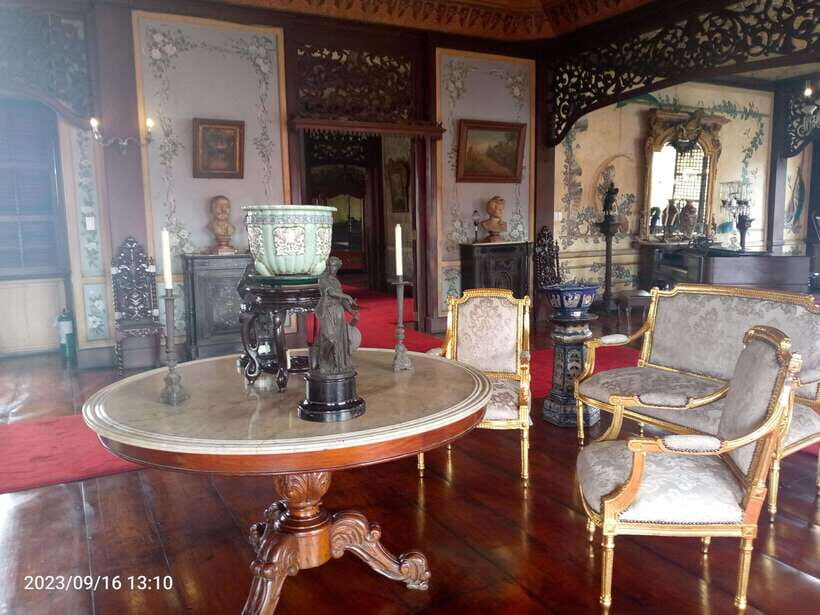
Next you move to Manila Cathedral, with about 15 minutes of guided time. This stop shifts the tour’s focus from fort walls and prison spaces to the role of institutions—and conflict—inside the city.
You’ll listen to stories about the power struggle between the church and the government, with Indios as victims. That detail matters because it reframes the architecture you see around you. A cathedral isn’t just a pretty stop; it’s also a stage where authority, culture, and control collided.
Fifteen minutes sounds short, but it’s typically enough for a focused guided narrative, especially when you’ve already been walking and hearing intense stories. The cathedral stop gives you a mental reset: different setting, different tone, but still the same overall theme of power and its consequences.
Also, you’ll likely find it helps to look up while you’re there. When the guide explains the conflict, your eyes naturally shift from the ground-level crowd areas toward the bigger institutional shape of the space. It makes the story feel less abstract.
General Luna Street and the Philippine-American War courage tales
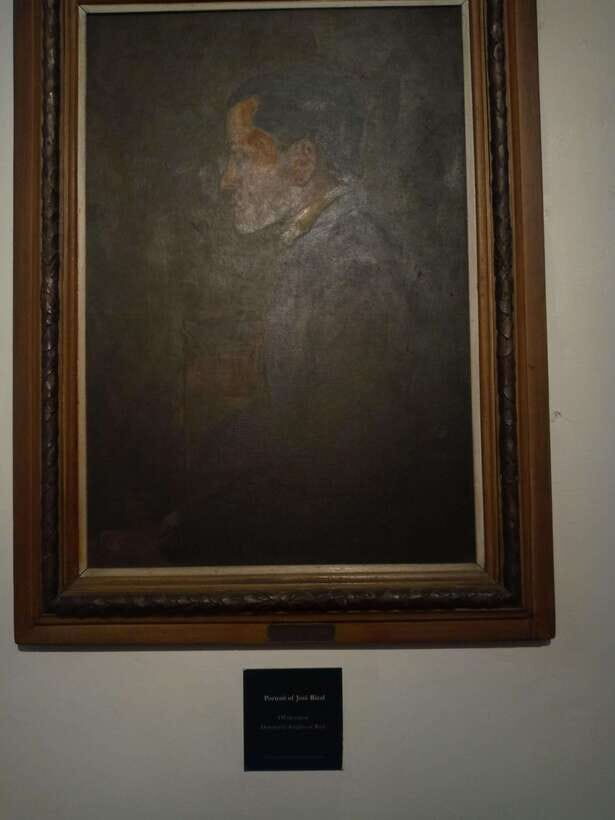
After the cathedral, you continue into the heart of Intramuros’ stories, including time on General Luna Street. This is where the tour’s tone adds something different: tales of courage and sacrifice during the Philippine-American war.
This stop works best if you let the guide’s storytelling do what it’s designed to do: connect a street-level walk with a national-scale conflict. You’re not just collecting landmarks. You’re learning how people lived, fought, and endured in the spaces you’re standing on now.
You also get a short “Intramuros zone” segment (about 20 minutes) where the walking tour keeps you inside the story rather than cutting away to unrelated places. That pacing is useful if you want a tight experience that still covers multiple eras.
One practical thought: this section can feel busy with people outside your group moving around. Keep your attention on the guide and the specific directions they give you, especially if you’re trying to match what you hear with what you see.


Saint Agustin Church: resiliency across periods
Then you stop at Saint Agustin Church, where the guide’s focus is on resiliency through different periods of history. The tour describes it as a place that can mesmerize you, and the reason is simple: surviving centuries (and the conflicts around them) turns a building into a witness.
This is a nice counterweight after the dungeon and prison stories. Not “lighter” exactly, but less focused on immediate brutality and more on survival and endurance. You’ll still get the sense that history leaves marks, but here the mark is continuity rather than collapse.
If you like places where art and stone act like archives, you’ll probably enjoy this stop. Even if you’re not a church-details person, the guide’s narrative makes the building feel like more than an old facade.
A camera can help here, but just remember that some visitors treat churches as quiet spaces. Take your shots when it fits the moment, then listen first.
Bonifacio Shrine and the revolution story comes home
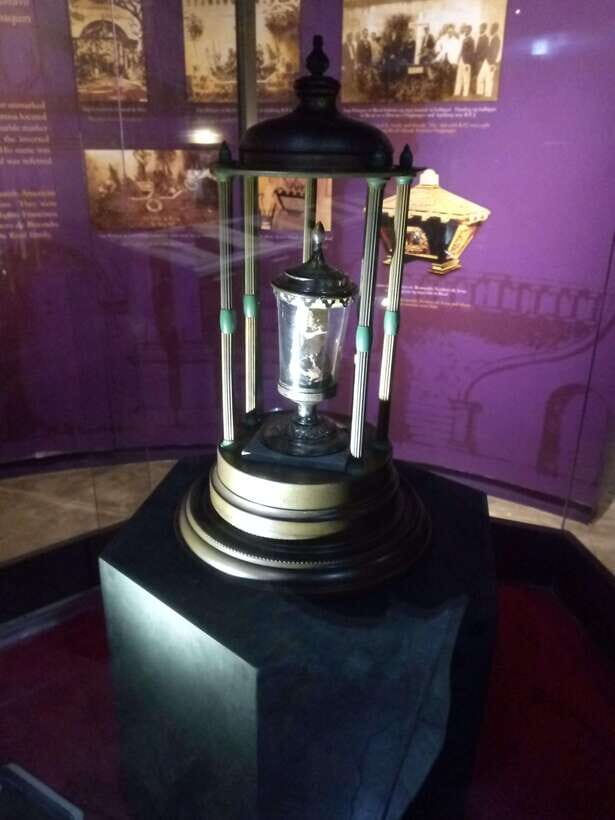
The tour’s last major stop is at the Bonifacio Shrine at the front of Manila City Hall. This is your closing chapter: the struggle of the Philippine Revolution told through tributes to Andres Bonifacio and some forgotten revolutionaries.
I like this ending because it steers the tour from suffering toward agency. After hearing about prisons, mass death, and institutional conflict, you end with people fighting back and refusing to disappear from the story.
This section also gives you a useful mental timeline. You’re moving from early patriots and occupation-era conflict, to Rizal and wartime tragedy, to church-and-government power struggle, and then to revolution.
When you finish here and return to Fort Santiago, the tour feels like a loop completed with purpose rather than a stop-and-go checklist.
Price, time, and what you get for $48
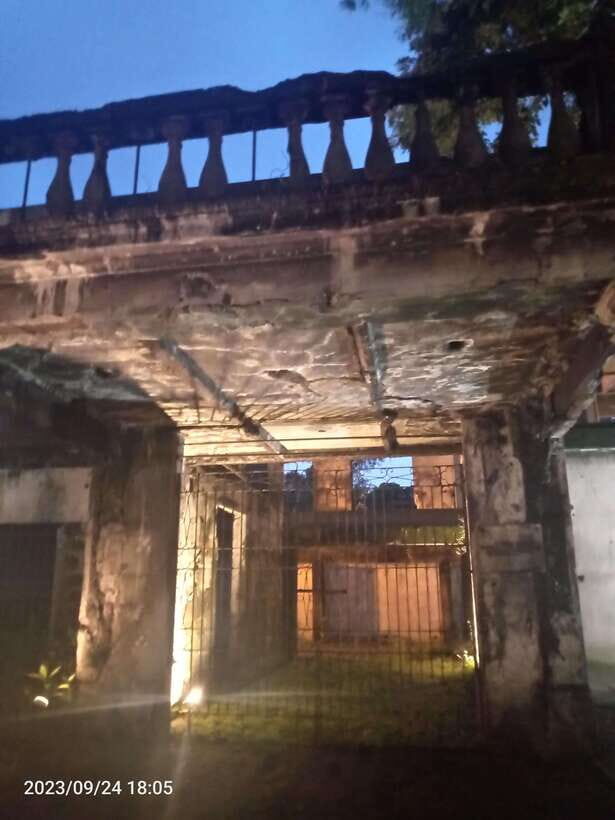
At $48 per person for 2 hours, this tour sits in the “value when you want a guide” category. The price covers a guided walking experience, guided tour of Intramuros, and admission to Fort Santiago, plus the benefit of skipping the ticket line.
That admission piece matters. Fort Santiago is a main anchor of the tour, so you’re not just paying to walk past things. You’re paying to stand inside the fortress story with a guide who organizes what you’re seeing.
The group style is private group, which usually means fewer distractions and more flexibility in how the guide answers questions. Also, your guide works in English or German, so you can pick your comfort language before you go.
One more practical perk: you’re not dealing with meals or transport. This tour doesn’t include food and doesn’t list hotel pickup, so it works best as a focused, scheduled block in your day.
Who should book this Intramuros Dark tour
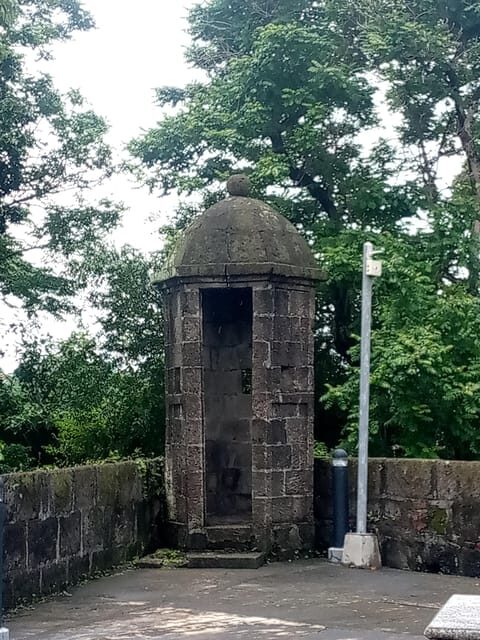
You’ll probably enjoy this most if you like guided tours that connect locations to names and events, not just facts on a sign. It’s a good fit for adults who can handle dark topics respectfully and want to understand how Intramuros became a symbol of both power and suffering.
It also makes sense if you’re building a Manila itinerary that’s heavy on history. You’ll get major anchors across the timeline, from pre-Hispanic patriots and Japanese occupation stories to Rizal, the prisoner-of-war tragedy, church-government conflict involving Indios, the Philippine-American war, and the revolution.
If you want a purely relaxing night walk, you might find it too serious. And if you’re under 12, pregnant, or you have mobility limits, this one is not a match based on the tour’s suitability guidance.
Practical tips so you enjoy the walk
Wear comfortable shoes. This is a walking tour with multiple stops, and the tour pacing expects you to be on your feet.
Bring a camera, especially for Fort Santiago and the church stops. You’ll want to capture the places the guide describes, but don’t let photographing steal your listening time.
Bring water. Even though the tour includes stories about thin oxygen in dungeons, you don’t need to test that part firsthand. Stay hydrated and keep your energy up.
One rules note: no smoking during the experience. It’s a small constraint, but it keeps the tour respectful and comfortable around historic sites.
Also, quick reality check on accessibility: the information mentions wheelchair accessibility, but it also says the tour is not suitable for people with mobility impairments and wheelchair users. If that applies to you, you’ll want to confirm fit with the provider before booking so you don’t waste time.
Should you book this tour?
Yes, if you want an organized, guided Intramuros walk that explains why the place feels haunted and what that haunting connects to: prisons, mass death, reformism, church-state conflict, war, and revolution. The big win is how the guide threads Fort Santiago, Rizal’s cell, and the cathedral and church stops into one coherent story.
No, if you’re looking for a light, breezy ghost tour, or if you don’t do well with intense history. This one is built for understanding, not for fun scares.
If you book, do it when you can give the tour your full attention. Intramuros hits harder when you’re not multitasking.
FAQ
Where does the Intramuros Dark tour start?
It starts at Fort Santiago.
How long is the tour?
The tour is listed as 2 hours total.
What are the main stops during the tour?
You visit Fort Santiago, Manila Cathedral, Intramuros, General Luna Street, Saint Agustin Church, and you end at the Bonifacio Shrine area at the front of Manila City Hall, then return to Fort Santiago.
Do you get admission to Fort Santiago included?
Yes. Admission to Fort Santiago is included.
Is there a ticket line to wait in?
No. The tour includes skip the ticket line.
What languages is the live guide available in?
The live guide offers English and German.
Is the tour private?
Yes, it’s listed as a private group.
Are meals included?
No. Meals and drinks are not included.
What should I bring?
Bring comfortable shoes, a camera, and water.
Is it suitable for children?
It is not suitable for children under 12.
Is smoking allowed?
No. Smoking is not allowed.