REVIEW · MANILA
Shared Old Manila Tour
Book on Viator →Operated by Blue Horizons Travel and Tours, Inc · Bookable on Viator
Old Manila can feel like a living puzzle. This shared tour snaps the pieces together fast, with Intramuros landmarks, Chinatown color in Binondo, and a guide who keeps the story clear. I love that the tour is built for real understanding, not just photo stops, and I also like that hotel pickup and a real lunch are included so you’re not scrambling mid-day. One consideration: it’s a tight 4-hour loop, so if you want hours to wander on your own, you may feel slightly rushed.
The best part is how the guide brings the sites to life with context you can actually use, whether you get someone like Jonas or Amy leading your group. You’ll also appreciate the small group size (up to 6), which makes the pacing feel human and the Q&A easier. The main drawback is that the route depends on day-of traffic and the timing between areas, so exact transfer times can shift a bit.
In This Review
- Key points I’d plan around
- Getting Your Bearings in Old Manila: Rizal Park to Intramuros
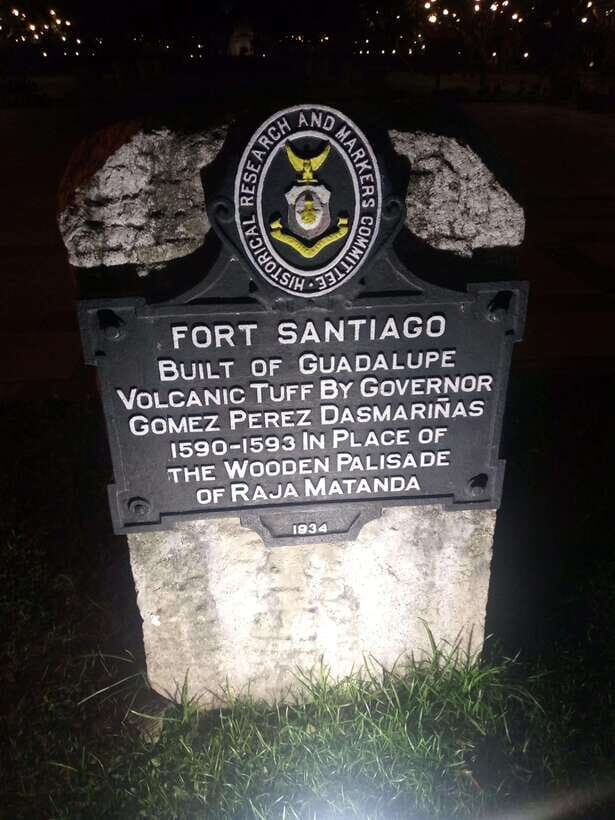
- Fort Santiago: Where the Past Gets Physical
- San Agustin Church: The Old Stone Church Stop That Actually Teaches
- Casa Manila: A 19th-Century House That Helps You See Daily Life
- Binondo Chinatown by Calesa: Old Street Feel in a Short Ride
- Food, Lunch, and the 4-Hour Pace That Makes It Work
- Price and What $142.31 Actually Buys You
- Who This Old Manila Tour Fits Best
- Should You Book the Shared Old Manila Tour?
- FAQ
- FAQ
- How long is the Shared Old Manila Tour?
- What time does the tour start?
- Is hotel pickup included?
- What’s included in the tour price?
- Are any attractions or tickets not included?
- How big is the group?
- Can I choose a morning or afternoon departure?
- Is lunch provided?
- What is the child policy?
- What is the cancellation policy?
Key points I’d plan around

- Small group (max 6) for a more personal pace and easier questions
- Rizal Park to Intramuros photo stops to get your bearings quickly
- Tickets included for Fort Santiago, San Agustin Church, and Casa Manila
- Short calesa ride in Binondo plus a historical church stop
- Lunch included, while extra food and drinks are on you
- Morning or afternoon departure with a start time listed as 8:00 am
Getting Your Bearings in Old Manila: Rizal Park to Intramuros
Old Manila works best when you understand how the city was laid out. The tour starts at Rizal Park, named for Dr. Jose Rizal, and that opening matters because it frames everything you’ll see next. You’ll get a quick picture stop, then shift from modern Manila vibes into the walled-world of Intramuros.
Rizal Park isn’t just a landmark you pass through. It’s a clean, easy starting point that helps you orient your brain before you enter the older, denser parts of town. I like this approach because it prevents the classic problem of watching buildings without knowing what each one is doing in the story.
After that, you roll into Intramuros—Manila’s historic walled city—where the layout and architecture feel like a different era. You’re not just touring monuments; you’re walking a path that explains how Spain shaped the city’s public life and institutions, and how those echoes still show up today.
You can also read our reviews of more tours and experiences in Manila.

Fort Santiago: Where the Past Gets Physical
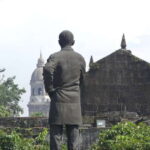
Fort Santiago is where you feel history under your feet. It sits by the mouth of the Pasig River, and that location alone tells you a lot about why it mattered—river access meant movement, supply, and power. You’ll spend about 30 minutes here, and the admission ticket is included.
This stop works well in a short tour because it gives you a strong anchor. Forts can sound abstract in a city tour, but this one is tied to major Philippine events, which helps the site click instead of blending into background noise. If you like learning the why behind walls and gates, this is the best “explain-it-once” moment of the day.
Practical tip: Fort Santiago’s time box is short. If you want extra photos, do them early, then use the middle of your visit for the guide’s explanation and any viewpoints you’re pointed toward.
San Agustin Church: The Old Stone Church Stop That Actually Teaches
Next comes San Agustin Church—also called the Immaculate Conception Parish. This is the country’s oldest stone church, and you’ll have around 15 minutes there with admission included. That’s not a long visit, but it’s enough time to understand what makes it distinct and to see the icons, vestments, and religious articles the church is known for.
I like this stop because it’s not only about architecture. It’s a quick lesson in how faith and art traveled together during Spanish rule, and how religious spaces became centers for community identity. Even if you’re not a religious-history person, the objects and details help you read the church like a museum with living context.
Drawback to consider: because the time is tight, you’ll want to decide fast what you care about most—front altar visuals, side areas, or specific displays the guide points out. Don’t try to absorb everything in one pass.
Casa Manila: A 19th-Century House That Helps You See Daily Life
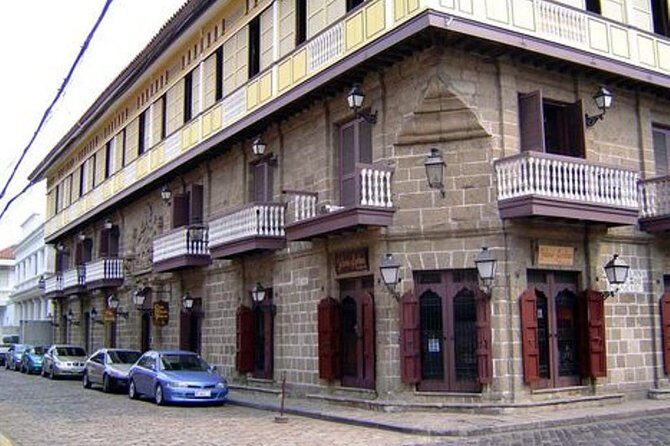
Then you cross the street to Casa Manila. This is a reproduction of a 19th-century house, decorated with a mix of oriental and European styles and furnished with Philippine antique pieces. You’ll get about 30 minutes here, and admission is included.
This stop is a smart pivot from big institutions (fort and church) to the rhythms of everyday life. You get a sense of how people lived, how spaces were arranged, and how cultures blended in design and material choices. Instead of treating the old city like a set of ruins, Casa Manila gives you a working mental image of daily domestic life.
One more benefit: it’s a great “rest stop” in the tour rhythm. You’re still learning, but the pace slows compared with outdoor walking, and that helps you stay fresh for what comes next.
Binondo Chinatown by Calesa: Old Street Feel in a Short Ride
After Intramuros, the tour shifts into Binondo, Manila’s Chinatown area. You’ll board a horse-drawn carriage called a calesa and cross the Pasig River, then head toward an alley that leads to Binondo Church, another historical landmark built by the Spaniards. The church stop is listed for about 15 minutes, and admission is free.
This is one of those segments that’s hard to replace with self-guided wandering. The carriage ride changes the feel of the day—it gives you a moving viewpoint and a more theatrical sense of place than just walking. It also means the guide can keep the timeline tight while you’re still getting real local texture.
A small caution: because it’s a short stop and you’re moving between areas, you won’t have hours to chase every side street. If you want to shop for spices, soaps, and sweets, you’ll probably need extra free time beyond the tour.


Food, Lunch, and the 4-Hour Pace That Makes It Work
A big value point here is that lunch is included. The tour also lists that food and drinks aren’t included otherwise, and souvenir photos aren’t included either, so it’s worth planning on buying snacks only if you get hungry outside the lunch window. If you’re picky about meals, I’d still eat lunch during the tour so you don’t end up paying extra and waiting later.
The timing is built around a focused loop: Rizal Park, Fort Santiago, San Agustin Church, Casa Manila, and then Binondo. With a total duration around 4 hours (approx.), it’s designed for people who want the highlights without turning the day into a full travel project.
Group tours are always a trade-off. The advantage is that you spend your mental energy learning, not figuring out transportation. The trade is that you’ll follow the plan. That can be a good thing on your first trip to Manila, especially if you’re the type who likes your schedule to make sense.
One nice bonus from past groups: some guides have added extra Chinatown food moments in Binondo, like stops at local bite stalls where you can try traditional items such as spring rolls and bao buns. I’d treat that as a possibility, not a guarantee, but it’s a great example of how a guide can turn a landmark tour into a taste-driven day.
Price and What $142.31 Actually Buys You
At $142.31 per person, this tour is not the cheapest option in Manila. But when you look at what’s included, the math starts to look better—especially for first-timers.
You’re paying for:
- Hotel pickup and drop-off (selected hotels only)
- A professional guide
- Lunch
- Admission tickets for key sites (Fort Santiago, San Agustin Church, Casa Manila)
- Transfers as part of the day’s route
- Mobile ticket delivery, plus all taxes, fuel surcharges, and service fees included
So you’re not just paying for a guide to point at things. You’re paying for the operational pieces too—things that add up quickly when you plan on your own: attraction entry fees, local transport, and the time cost of figuring it all out.
Also, with a maximum of 6 travelers, you’re less likely to feel like you’re stuck in a big bus herd. That can matter as much as price on a short tour. If you want value as in fewer headaches per hour, this fits.
Who This Old Manila Tour Fits Best
This is a strong choice if:
- You want an efficient first trip to Manila’s historic core
- You like guided context, not just wandering
- You appreciate a route that includes both Intramuros and Binondo
- You’d rather spend your limited time learning than organizing
It may be less ideal if:
- You’re the type who likes to linger for an hour in every church or museum
- You’re looking for deep specialization, like long-form archaeology or extended neighborhood exploration
- You want total control over pacing with no group rhythm
Because the guide can be flexible about interests (and groups have mentioned that this flexibility can improve the day), you’ll likely do best if you show up with at least a couple priorities. For example: are you more into Spanish-era buildings, Filipino everyday life, or Chinatown food culture? A good guide can steer within the framework.
Should You Book the Shared Old Manila Tour?
If it’s your first time in Manila, I’d book this. It gets you into the places that define Old Manila—Rizal Park, Intramuros’ key landmarks, and Binondo—and it does it in a way that saves you time and guesswork. The inclusion of tickets and lunch makes it feel like a complete day plan, not a half-idea with extra expenses waiting at the gates.
Book it too if you want the story explained clearly by guides such as Jonas, Ms Joan, Sir Richard, or Amy, who have led groups with strong on-the-ground context and good pacing. Just go in knowing it’s four hours, so you’re collecting a sharp first picture of the city—not settling into one neighborhood for a long, slow day.
FAQ
FAQ
How long is the Shared Old Manila Tour?
The tour is about 4 hours (approx.).
What time does the tour start?
The start time is listed as 8:00 am.
Is hotel pickup included?
Yes, hotel pickup and drop-off are included for selected hotels only.
What’s included in the tour price?
The tour includes all taxes, fuel surcharges, service fees, a professional guide, hotel pickup/drop-off (selected hotels), and lunch. Admission tickets for Fort Santiago, San Agustin Church, and Casa Manila are also included.
Are any attractions or tickets not included?
Binondo Church is listed as admission free, and souvenir photos are not included. Food and drinks beyond the included lunch are not included.
How big is the group?
This experience has a maximum of 6 travelers.
Can I choose a morning or afternoon departure?
Yes, the tour offers a choice of morning or afternoon departure.
Is lunch provided?
Yes, lunch is included.
What is the child policy?
A child rate applies only when sharing with 2 paying adults. Children must be accompanied by an adult.
What is the cancellation policy?
You can cancel for free up to 24 hours in advance for a full refund. If you cancel less than 24 hours before the experience start time, the amount you paid is not refunded. Refunds are not issued if you miss the tour due to late or non-arrival of a cruise ship.