REVIEW · MANILA
Banaue Rice Terraces Escape: 3 Days, 2 Nights with Transfers
Book on Viator →Operated by Yolo Travel Philippines · Bookable on Viator
Rice terraces start before sunrise. This small-group escape gets you into Ifugao for UNESCO Banaue rice-terrace hikes, plus a waterfall swim and a natural hot spring.
You also get two nights in a Banaue homestay, so the days aren’t only about stairs and viewpoints.
What I like most is the mix: you’re not just looking at rice terraces. You’re walking Batad and Hapao and then cooling off at Tapiya Falls, followed by a hot-spring reset.
One real consideration: you’ll be up at 3–4 a.m., and since meals aren’t included, you’ll want a plan for food so you don’t get cranky later.
In This Review
- Key highlights to know before you go
- The early start: the 3 a.m. decision that makes the trip work
- Transfers from select Manila hotels: fewer headaches, more time for the views
- Day 1: arriving in Banaue, with time to reset before the hike
- Day 2: Batad Rice Terraces hike, plus Tapiya Falls and the hot spring day
- What makes Batad special (and what to watch for)
- Tapiya Falls swim: one part adventure, one part reset
- Natural hot spring soak at Bogyah
- Day 3: Hapao Rice Terraces, the biggest terraces you’ll see
- Why Hapao may be your favorite
- Getting the most out of your last terrace day
- Homestay nights: local culture that’s more than a checkbox
- Price and value: $500 can be fair when you add up time saved
- Who this tour suits best (and who may want to think twice)
- Small-group guides: why it can feel easier in the field
- Weather and comfort notes that affect your day
- Should you book the Banaue Rice Terraces Escape?
- FAQ
- What are the main activities on this Banaue tour?
- What time does the tour start?
- How long is the trip?
- Is accommodation included, and are meals included?
- What fitness level do I need?
- How big is the group?
- What if the weather is bad?
- How flexible is cancellation?
Key highlights to know before you go
- 3–4 a.m. wake-up for an easier arrival into Banaue by mid day
- Batad Rice Terraces: amphitheater-style terraces that show why they’re UNESCO-level
- Tapiya Falls + natural hot spring time built in, not just drive-and-photos
- Two-night Banaue homestay experience, with family welcome moments like one group’s Bustamante reception
- Max 15 travelers with an air-conditioned vehicle and select-hotel transfers
- Admission tickets included on the main terrace days
The early start: the 3 a.m. decision that makes the trip work
This is not a “sleep in and arrive whenever” kind of tour. The start time is 3:00 a.m., and the drive out of Manila is long. The goal is simple: beat the stress and get you into Banaue by mid day, instead of doing the worst part of the journey while you’re already tired.
Here’s why that matters. In this region, the best terrace light and the most comfortable pacing often come down to when you reach the rice fields. A schedule that starts early also gives you more time to enjoy the stops instead of racing between them.
You’ll ride in an air-conditioned vehicle, which is a big deal on a long haul in Luzon. Even if the overall day feels full, AC makes the ride feel like a managed plan rather than a random bus ride that leaves you wrung out.
Pack for early mornings: a light layer helps, and bring something you can comfortably wear for a hike plus time near water later.
A few more Manila tours and experiences worth a look

Transfers from select Manila hotels: fewer headaches, more time for the views
This tour includes two-way transfers from select hotels, and pickup is offered. That means you’re not figuring out connections on your own at a time when you’d rather still be asleep.
You also get a mobile ticket, so the day-of process is usually smoother than paper-only check-ins. The group size is capped at 15 travelers, which helps. Small groups mean less waiting around and more straightforward logistics at the terrace stops and during any breaks.
If you’ve ever done Banaue by public transport, you know the “12-hour stomach-churning bus epic” stereotype is not always a joke. Here, the vibe is more controlled: AC transport, guided timing, and a route that’s built around hiking days.
Day 1: arriving in Banaue, with time to reset before the hike
On the first day, you wake up 3–4 a.m. and head out on a scenic drive. You’re on the road for a long stretch (about 8 hours is listed for the day), then you arrive in Banaue mid day.
That timing is practical. You’re not landing at night, so you can actually orient yourself before you’re expected to move around. The schedule also gives you time to settle into your Banaue base before the next day’s terrace hike.
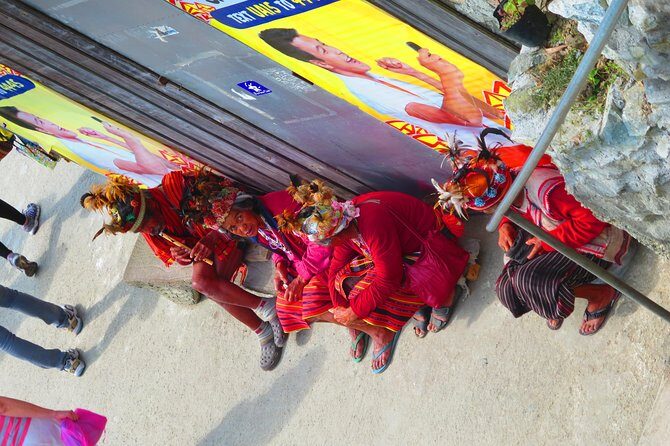
What to expect after arrival: you’ll be introduced to your homestay situation and your day will shift from “travel mode” to “Banaue mode.” In one example shared by a previous group, the homestay experience included a family welcome from the Bustamante family at Japan’s Place at Bro Zone. Your exact homestay may differ, but the overall point stays the same: this is set up as a local stay, not only a hotel stop.
Because meals aren’t included, this is also the moment to decide how you’ll handle food later. If you’re the type who likes to eat right after check-in, bring the energy—or budget for meals on your own.
Day 2: Batad Rice Terraces hike, plus Tapiya Falls and the hot spring day
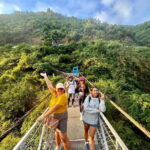
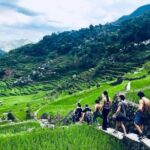
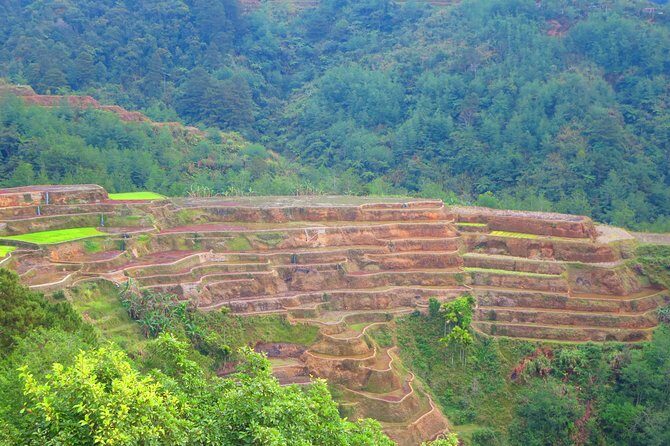
Day 2 is the core hiking day: Batad Rice Terraces. This is the stop that many people picture when they think about Ifugao terraces—amphitheater-style views that make the UNESCO tag feel earned.
The schedule gives you about 6 hours for this day’s big activity block. That’s enough time to walk the terraces and soak in the scene without feeling like you’re on a treadmill. You’ll also have admission included, so you’re not hunting down tickets partway through the day.
What makes Batad special (and what to watch for)
Batad is famous because the terraces fold into each other in a way that looks almost built for layered photos—but the real payoff is walking along the edges. You can see how the farming system follows the slope, and how the terraces shape movement through the valley.
The possible drawback: terrace hiking can be uneven. Even if you’re “moderately fit,” you’ll want sturdy shoes and realistic expectations about footing. If you’re someone who hates steep steps, slow your pace, take breaks, and don’t try to match someone else’s speed.


Tapiya Falls swim: one part adventure, one part reset
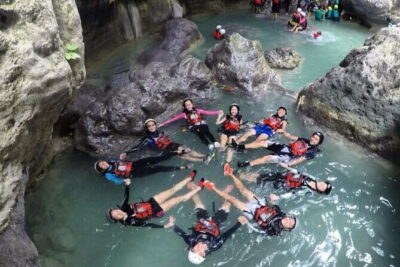
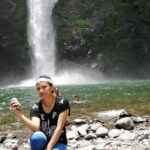
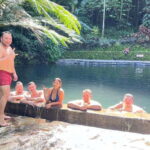
After the rice-terrace time, the tour includes swim time at a waterfall (Tapiya Falls). This is the contrast that makes the day feel more than just hiking. You get a change of scene, cooler air, and a chance to relax your legs.
One practical tip: bring swim gear and something to dry off with if you can. If you don’t, you’ll still have fun, but you may feel a bit uncomfortable afterward, especially if the weather turns.
Natural hot spring soak at Bogyah
The day also includes a natural hot spring. In a previous group’s experience, the guide Jimmy handled the hot spring portion at Bogyah Hot Springs. That hot-spring stop is valuable for two reasons: it helps your muscles recover, and it gives you a calmer end to an active day.
If you like ending the day quietly—sitting, soaking, and talking with your group—this part is for you. It’s not a rushed “dip and go” moment in the way some tours feel.
Day 3: Hapao Rice Terraces, the biggest terraces you’ll see
On the third day, you head to Hapao Rice Terraces, about 30 minutes from Banaue town proper. This is one of the biggest terrace areas on the trip, with a lot of field space for wide views.
The day is listed as about 8 hours, which usually means more than just arriving and taking photos. You’ll have time to experience the scale, move through viewpoints, and enjoy how Hapao feels different from Batad.
Why Hapao may be your favorite
Batad tends to feel dramatic—like an amphitheater. Hapao, on the other hand, can feel more spread out and wide. If you want a break from tighter walking corridors, this bigger layout can be a relief.
Also, by day three, you often understand the terrain better. Early mornings feel less brutal, you know your pace, and you’re less distracted by the travel rhythm.
Getting the most out of your last terrace day
Because Hapao is your final major terrace stop, I recommend treating it like your best “slow down and look” day. Take in the patterns. Watch how people move across the terrace edges. It’s one of those places where the more you slow your mind, the more you see.
Also remember: meals aren’t included. If you have a long day with breaks, plan snacks and water so you don’t feel stuck waiting.
Homestay nights: local culture that’s more than a checkbox
Two nights are included in Banaue via a homestay. This is one of the biggest differences between a “ride around and see” tour and one that actually helps you understand daily life.
What I appreciate about a homestay format is how it nudges you to treat the trip like a stay, not a museum visit. You’re sharing space with a family rhythm, and the welcome can matter. In one group’s experience, visitors were greeted by the Bustamante family at Japan’s Place at Bro Zone, which is exactly the kind of human moment that makes the trip feel real instead of scripted.
Your homestay details may vary, but the structure should be similar: two nights in a Banaue community setting, with guides keeping things moving while you slow down for local time.
Practical angle: homestays can be different from hotels in comfort level. Bring an open mind, and pack what you’d need to be comfortable in a simple guest setup.
Price and value: $500 can be fair when you add up time saved
At $500 per person, this isn’t a budget impulse buy—but it can still feel like good value when you look at what’s bundled.
Here’s what you’re getting for your money:
- Air-conditioned vehicle transport with transfers from select hotels
- All fees and taxes
- Admission tickets included for the main activity days
- Two nights of accommodation in Banaue
- A small-group experience (up to 15 travelers)
What’s not included:
- Meals
So the value depends on you. If you would otherwise combine a long bus ride with your own lodging and separate entry tickets, the packaged plan can cut down on hassle and wasted time. That’s especially true given the early start and the hard reality of getting to Banaue from Manila without turning your trip into a suffering contest.
The biggest “watch out” is meals. Since they’re not included, factor that cost into your personal budget. Also think about your food preferences—because the itinerary is built around hiking and transfers, not around restaurant hunting.
Who this tour suits best (and who may want to think twice)
This is a strong fit if you want:
- A guided, small-group way to reach Ifugao without wrestling transport
- Two full days of terraces, plus Tapiya Falls and hot springs
- A moderate fitness challenge (not extreme, but not a flat stroll)
- Cultural time via two nights in a homestay
It may be less ideal if:
- You hate early mornings and long drives
- You’re very sensitive to uneven ground (terraces can be slippery or steep)
- You need the trip to include every meal, every step of the way
If you’re the type who likes structure—pickup, timing, guides—you’ll probably appreciate this one.
Small-group guides: why it can feel easier in the field
The guides matter here. In one previously shared experience, the guide Do mine helped on the Batad day, and Jimmy took care of the Bogyah Hot Springs portion. Even if you don’t get the same names, the point is consistent: you’re not just following instructions—you’re being handled through the route.
In practical terms, a good guide helps with pacing on terrace paths, keeps the group moving, and clarifies the flow when you’re tired from travel.
It also helps when you want your experience to feel respectful and grounded rather than purely transactional. With terrace hikes and homestays, that matters.
Weather and comfort notes that affect your day
This activity requires good weather. If it’s canceled due to poor conditions, you’ll be offered a different date or a full refund. That’s worth taking seriously if you’re visiting during a rainy window.
Comfort-wise, you’ll be balancing hike time, waterfall time, and hot spring time across three days. Dress for layers, and plan for wet conditions if you’re going to enjoy the swim.
If you’re unsure about what to bring, think in categories: hiking comfort, water comfort, and a dry change for after.
Should you book the Banaue Rice Terraces Escape?
If you want the Ifugao terraces without turning your trip into a logistics headache, I think this is a solid booking. The blend of Batad + Hapao, the built-in Tapiya Falls swim, and the chance to soak at a natural hot spring make the itinerary feel balanced. Add in the homestay nights and the fact that transfers are handled from select hotels, and you’re buying back time and energy.
I’d only hesitate if you’re strongly opposed to early wake-ups, long travel days, or if you need meals fully handled for you. Otherwise, this is the kind of itinerary that respects the reality of getting to Banaue—and gives you a full, active, human-sized experience once you’re there.
FAQ
What are the main activities on this Banaue tour?
You’ll hike the rice terraces in Ifugao, including Batad Rice Terraces and Hapao Rice Terraces. The tour also includes time at Tapiya Falls for a swim and a soak in a natural hot spring. You’ll also spend two nights in a Banaue homestay.
What time does the tour start?
The start time is 3:00 a.m..
How long is the trip?
The tour runs 3 days and is described as 3 days (approx.).
Is accommodation included, and are meals included?
Accommodation is included for two nights in Banaue. Meals are not included.
What fitness level do I need?
The tour requires moderate physical fitness.
How big is the group?
The tour has a maximum of 15 travelers.
What if the weather is bad?
This experience requires good weather. If it’s canceled due to poor weather, you’ll be offered a different date or a full refund.
How flexible is cancellation?
You can cancel up to 6 days in advance for a full refund. For partial refunds, cancellations can be made 2–6 days before for a 50% refund, and cancellations less than 2 days before aren’t refunded.