A folk dance buffet in one evening? That’s the fun pitch here: you get a buffet dinner and then a full set of Filipino folk dances like singkil and tinikling, all in one easy stop. The hotel pickup and drop-off also makes this a low-stress add-on to a busy Manila day.
I particularly like how the evening is structured like a real barrio fiesta vibe—eat first, then settle in for the show, and finally the dance floor opens up for anyone who wants to try. My other favorite is the performance quality: the dancers wear eye-catching costumes and the music leans into traditional instruments, so it feels more than a basic tourist stage show.
One thing to consider: the dinner buffet can be hit-or-miss. A couple of people reported food that was lukewarm or not as varied or tasty as they hoped, so go in ready to enjoy the show even if the buffet isn’t perfect.
In This Review
- Key things that make this dinner show work
- Manila, but make it a single-night plan
- Barbara’s Heritage Restaurant: where the night begins with food
- The folk dance show: more than sing-along culture
- Timing and seating: how to avoid the common view problems
- Guides, drivers, and the small-group advantage
- Price and value: is $145 worth it?
- Who should book this dinner and dance show?
- Should you book it? My quick decision guide
- FAQ
- What time does this start?
- How long is the experience?
- Does the tour include hotel pickup and drop-off?
- How does pickup timing work?
- Where does the dinner and show take place?
- What’s included with the ticket?
- What if my hotel is outside Manila City or Makati City limits?
Key things that make this dinner show work
- Hotel pickup and drop-off mean you skip the start-and-stop taxi shuffle
- A two-hour dinner-and-show block keeps the night simple and tightly timed
- A small group size (up to 15) helps the evening feel less chaotic
- Folk dance favorites show up in the lineup (singkil, tinikling, pandanggo sa ilaw)
- Traditional music is part of the experience, not just background noise
- You can join the dancing at the end, if you feel brave
Manila, but make it a single-night plan
This is one of those tours that’s designed for real life in Manila. You’re not hopping across multiple locations or trying to figure out timing on your own. Instead, you get collected from your hotel (in many cases), you eat, you watch, you dance a bit, and then you’re back at your hotel.
The start time is 5:30 pm, and pickup typically happens 30–60 minutes before showtime. That matters because Manila traffic can be unpredictable; having a scheduled pickup window reduces the chance you’ll rush in after the show already started. You also get a mobile ticket, which is handy when you’re traveling with a phone and not a folder of printouts.
This style of outing is a great fit for first-time visitors. If you’ve spent the day doing sights and walking (you will), this gives you a calmer, seated kind of cultural experience that still feels like an event.
A few more Manila tours and experiences worth a look

Barbara’s Heritage Restaurant: where the night begins with food
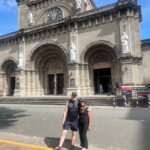
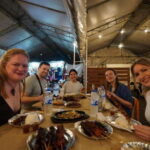
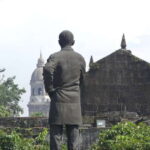
Your evening centers on Barbara’s Heritage Restaurant, where the dinner and the cultural performances are tied together. The venue is known for an old-world vibe, including an antique, ornate feel and a location inside Intramuros, which makes the whole dinner start feel like stepping into a historic setting rather than a generic hall.
The buffet is Filipino-focused and built around comfort classics you’ll recognize even if you don’t know the names. Common items mentioned include:
- sinigang (tamarind-based stew)
- adobo (usually seasoned with soy and garlic)
- sisig (spicy minced meat with sautéed onions)
A few reviews also mention specific standouts like a particularly crispy porchetta. That’s useful to know because sometimes buffets can blend together in your memory—hearing about a dish that actually lands well helps you decide what to grab early.
What to expect from the buffet experience itself: it’s not presented like a fine-dining spread, so don’t expect constant hot temperature and endless variety. Some people said the food was good, while others felt parts of the buffet were lukewarm or on the modest side for variety. That doesn’t automatically mean it’s bad; it just means you’ll want to strategize a bit.
Here’s how I’d play it safe:
- Go through the buffet line once promptly so your first plate is freshest.
- If something looks like it’s been sitting, choose another option rather than forcing a lukewarm dish.
- Treat dinner as part of the show package. If you treat it as the main event, you’ll feel more disappointed.
And yes, the drinks are included with the buffet. If you’re planning a full day of exploring, this is a smart way to handle dinner without hunting for a restaurant afterward.
The folk dance show: more than sing-along culture
After dinner, you settle in for a lineup of dances representing different regions and influences in the Philippines. The program includes several widely loved routines, including singkil, tinikling, and pandanggo sa ilaw.
Why these dances are so memorable:
- Singkil is all about precision—coordinated movement, timing, and dramatic staging. It’s the kind of routine that looks “simple” until you realize how much control the dancers need.
- Tinikling (often done with bamboo poles) is fast, rhythmic, and visually clear. Even if you don’t know the story, your brain reads the pattern immediately.
- Pandanggo sa ilaw leans into light, grace, and coordination, which makes it a crowd favorite because it looks effortless when it’s anything but.
The show also touches on the country’s cultural mix. Some performances reference Spanish-influenced styles, while others reflect movements associated with Muslim south traditions and other regional roots. One review even mentioned a mix that included music and dance elements that felt unusual to some audiences, like instruments and costuming that reminded them of non-Filipino influences. That’s a reminder that the Philippines is full of cross-currents—this show tries to reflect that, not just repeat one style.
Music matters here. The band uses traditional instruments, including string instruments and percussion elements. One review specifically pointed out dancers interacting with musicians during the singkil portion, which is exactly the kind of detail that separates a standard “watch from your seat” show from something that feels like a live performance.
If you’re nervous that you’ll get bored, don’t be. The show is varied by costume color, rhythm changes, and dance styles. And at the end, you get a chance to join the dancing yourself. Not a “mandatory participation” moment—more like a playful invite once the big performances wrap up.
Timing and seating: how to avoid the common view problems
The show is scheduled around your dinner at Barbara’s Heritage Restaurant, and the whole evening runs about 3 hours. That’s the sweet spot. You get enough time to eat without feeling rushed, and you’re not trapped in the venue long enough to get antsy.
The big practical downside isn’t the show content—it’s sometimes where you’re seated. A few reviews raised issues about obstructed views and people in the back not seeing dances clearly. That can happen if the room layout blocks sightlines, or if tables are positioned in a way that hides parts of the stage.
You can’t control everything, but you can improve your odds:
- If you have any say at check-in, choose a seat with a clear line of sight.
- If you’re tall/short, think about your “visual center”—often you’ll want sight over the shoulders of the people in front.
- If you’re going with a group, decide early who really cares about stage views.
Also remember: the performance is visual. If you can see the dancers’ feet and hands, the whole story clicks better—especially with routines like bamboo-based dance patterns.
Guides, drivers, and the small-group advantage
This tour runs with a maximum group size of 15 people, which is a big deal for an activity like this. It keeps pickup calmer, makes it easier to hear the tour guide, and reduces the chance you spend the whole night waiting for someone else.
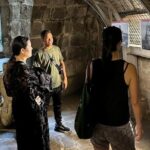
Your guide is DOT accredited, and that shows up in the way the evening is explained and paced. Some people mentioned guides by name—Malou and Carmen were both mentioned as helpful and friendly, with Carmen also offering context about places you pass while heading to the venue. Another review named the driver as Ariel, described as professional and on time.
Even if you’re not a “history lecture” person, this sort of guiding matters because it turns the route and the setting into something you can connect to. In Manila, where street scenes can feel overwhelming, having a quick narrative helps you get your bearings fast—then you enjoy the show without feeling lost.




Price and value: is $145 worth it?
At around $145 for an approximately 3-hour evening, you’re paying for a package: hotel pickup and drop-off, buffet dinner with drinks, admission to the show, and a DOT-accredited guide. That can be good value in Manila because transportation and last-minute dinner plans can add up quickly—especially if you’re trying to schedule yourself around traffic.
Still, you should know the budget reality. One review claimed that booking directly at the restaurant could cost far less while offering the same dinner/show setup. That’s not something I can verify from official pricing here, but it’s a smart reminder: this is a fixed “package experience,” and if you enjoy pricing research, compare what you’d pay by arranging it on your own versus buying this tour.
So how do you decide?
- If you want the lowest hassle—pickup, dinner, show, and drop-off all handled—then the package pricing can make sense.
- If you’re comfortable arranging your own evening and you’re price-sensitive, comparing prices could save money.
The best way to judge value is by your priorities. If the show is the main reason you’re there, most people seem happy with the dancing and performance quality. If you care most about dinner variety and hot, perfectly seasoned food, you may want to treat the buffet as good-but-not-guaranteed.
Who should book this dinner and dance show?
This is a strong pick if you want an easy first evening in Manila that feels distinctly Filipino. It’s ideal for:
- First-timers who want quick cultural context without extra planning
- Couples looking for a fun date night with a clear start and end
- Families (the energy is lively, costumes are colorful, and the structure keeps kids and adults alike engaged)
- Anyone who enjoys dance and live music and wants the “sit down and watch” kind of culture
It may not be the best fit if you’re very picky about buffet food temperature and variety, or if you have strong needs around seating and stage visibility. The show is the main event; plan your expectations accordingly.
Should you book it? My quick decision guide
Yes, I’d book this for most visitors who want a simple evening plan in Manila—especially if you value hotel pickup, a small-group feel, and a dance lineup that includes singkil and tinikling. The performance side sounds consistently strong, and the venue setting adds charm.
I’d be a little more cautious if you’re the type who plans a trip around food perfection. In that case, go in expecting a decent buffet and focus your energy on the show. And if price is your biggest driver, it’s worth comparing with any direct options you can find, since at least one diner felt the package cost was higher than what locals pay.
If you want an authentic-feeling night without the logistics headache, this delivers. Just don’t treat the dinner buffet like it’s your only meal highlight—and you’ll have a great time.
FAQ
What time does this start?
The start time is 5:30 pm.
How long is the experience?
It runs for about 3 hours (approximately).
Does the tour include hotel pickup and drop-off?
Yes, hotel pickup and drop-off are included on selected hotels only.
How does pickup timing work?
Pickup is typically 30 to 60 minutes before the show time.
Where does the dinner and show take place?
Dinner and the cultural dance show are held at Barbara’s Heritage Restaurant.
What’s included with the ticket?
You get a buffet dinner and drinks, the admission ticket, and a DOT Accredited Tour Guide.
What if my hotel is outside Manila City or Makati City limits?
If your hotel is outside those limits, you’ll need to make your own way to the New World Renaissance Hotel in Makati at least 15 minutes prior to departure.