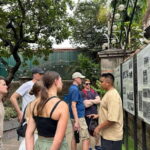
Manila looks different when you walk it with locals. This 2-hour small-group trip takes you into Tondo and nearby neighborhoods where daily life, family homes, and market trade all run on real schedules. You get a local guide, plus tricycle and jeepney rides, so you’re not just watching from the curb.
What I like most is how the tour mixes streets, housing areas, and shopping in one tight loop. You also get two standout experiences I’d call the heart of the day: time in a working wet market and a real-food finish with local tastings like bao and egg tarts.
One drawback to consider: this is a residential area, so some moments can feel intense if you want a polished, low-stimulation sightseeing style. Expect narrow paths, close-up sights, and everyday life happening around you—so keep your expectations respectful and flexible.
In This Review
- Key takeaways before you go
- Where Your Tour Starts: Tutuban Center and Getting Oriented Fast
- Tondo on Foot: Daily Life, Not a Theme Park
- The Wet Market Stop: How Manila Shops Up Close
- Old Manila Threads: Old Town, Chinatown, and Divisoria Energy
- Local Guides Make It or Break It: Venus and Floyd in Focus
- Tricycle and Jeepney Riding: More Than Transportation
- Price and Value: Why $65 Works for This Particular Tour
- Who Should Book This Tour (and Who Might Pass)
- Should You Book Explore Manila Slums and Hidden Market?
- FAQ
- How long is the tour?
- Where do I meet the guide?
- Is the tour in English?
- How big is the group?
- What transportation is included?
- Will there be food or drinks during the tour?
- What areas will we visit?
- Is there free cancellation?
- Can I pay later?
Key takeaways before you go
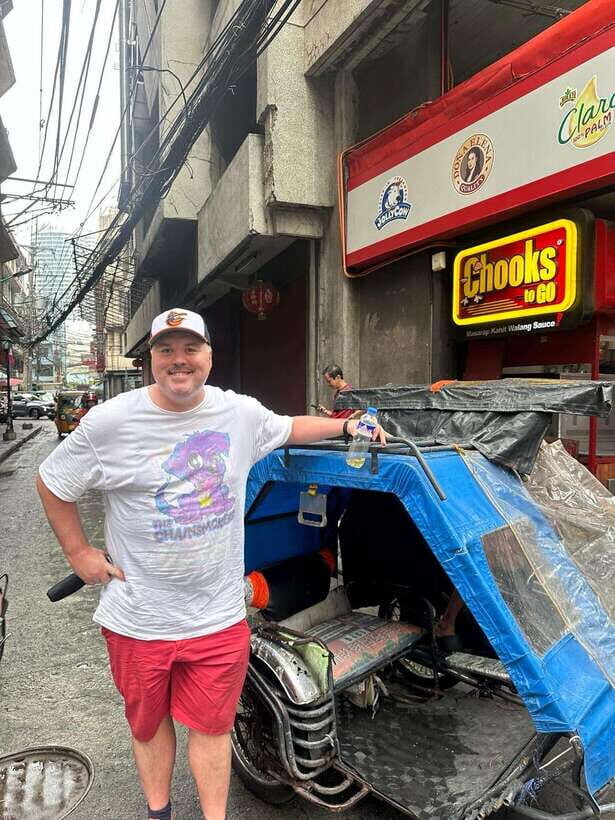
- Tondo street-walk + local transport in just 2 hours, with tricycle and jeepney rides
- Wet market time that shows how people actually shop, not a staged photo stop
- Chinatown and older Manila neighborhoods folded into the same outing
- Small group size (up to 10), which makes it easier to ask questions without shouting
- Guides with real connections, including Venus and Floyd in past runs
- Food and drink moments that make the tour feel like a shared afternoon, not a lecture
Where Your Tour Starts: Tutuban Center and Getting Oriented Fast
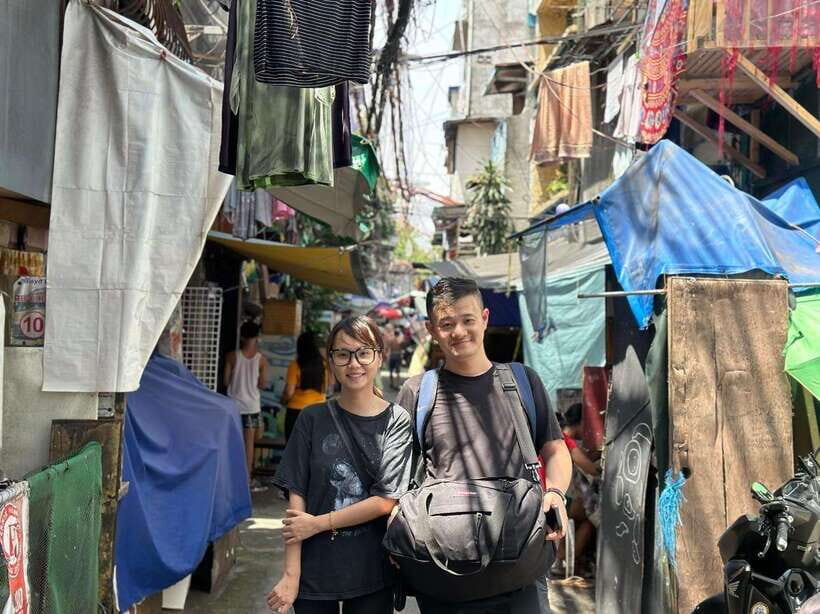
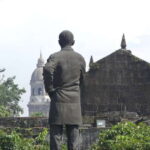
The day begins at Tutuban Center Mall, by the Bonifacio Monument near the Lawson Convenience Store. That’s a practical setup: you’re meeting in a place designed for transit, not at some hard-to-find corner. With a small group—limited to 10—you can usually get your bearings quickly, and the guide can actually keep track of everyone.
From there, you’ll switch into local transport early. That matters more than you might think. In a city like Manila, “seeing” is different from “moving.” A tricycle ride helps you read the street layout and local pace, and then the jeepney ride gives you that unmistakable sense of how people commute and mingle. It’s also a great way to break the awkwardness of being out-of-place; you’re doing what locals do, just with a guide narrating along the way.
If you’re the type who worries about getting lost, this is built for you. The route is tight, the group is small, and you’re with someone who knows where you’re going and why.
You can also read our reviews of more shopping tours in Manila

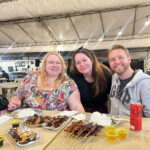
Tondo on Foot: Daily Life, Not a Theme Park
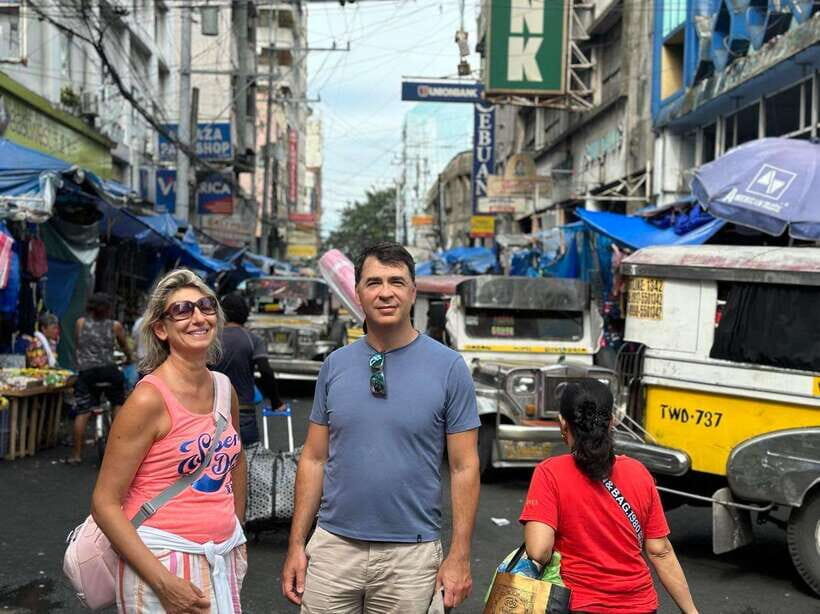
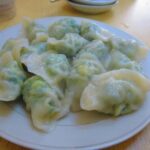
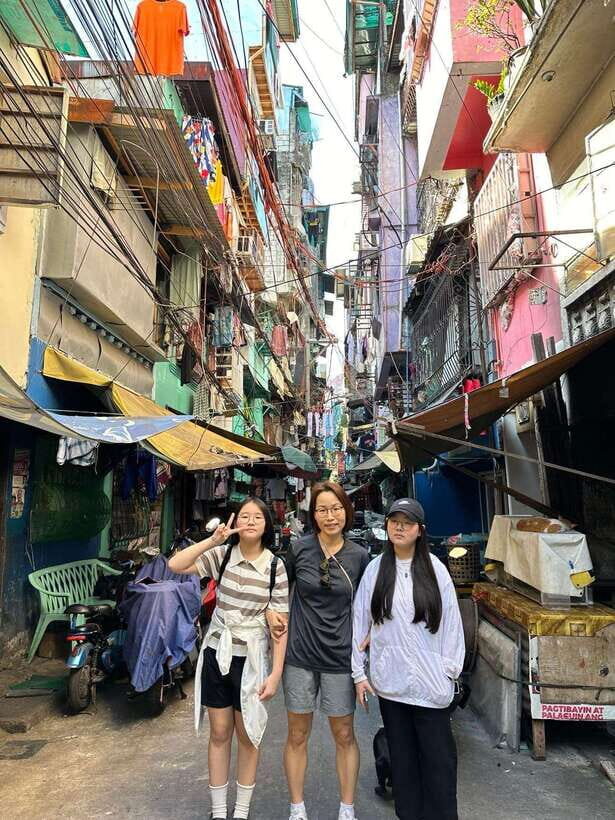
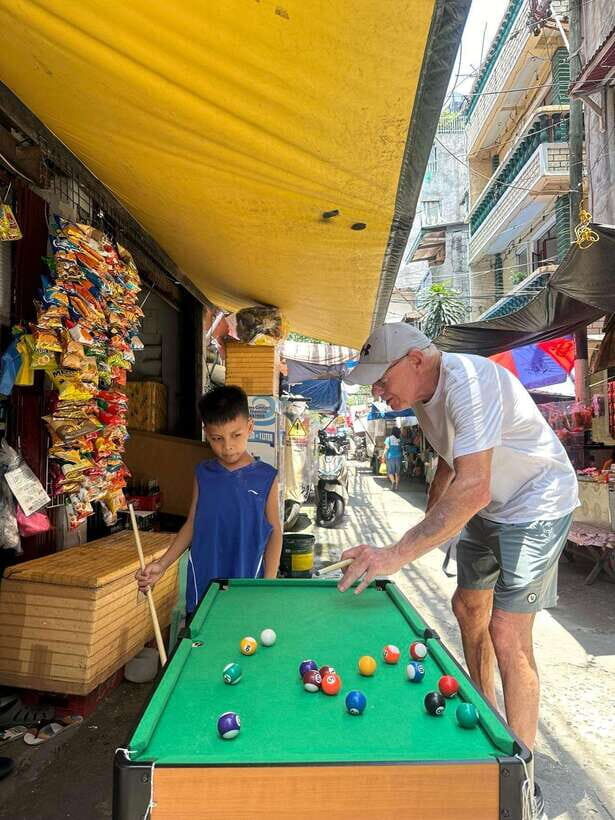
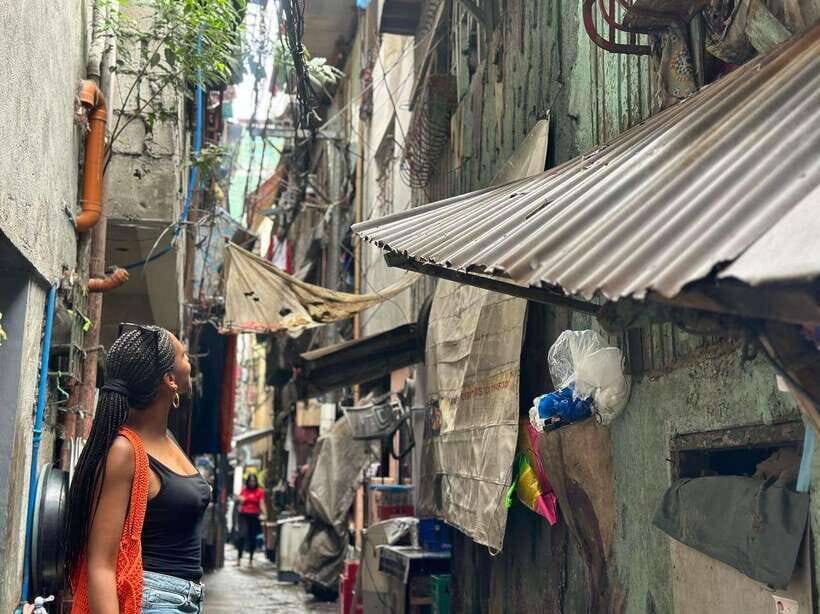
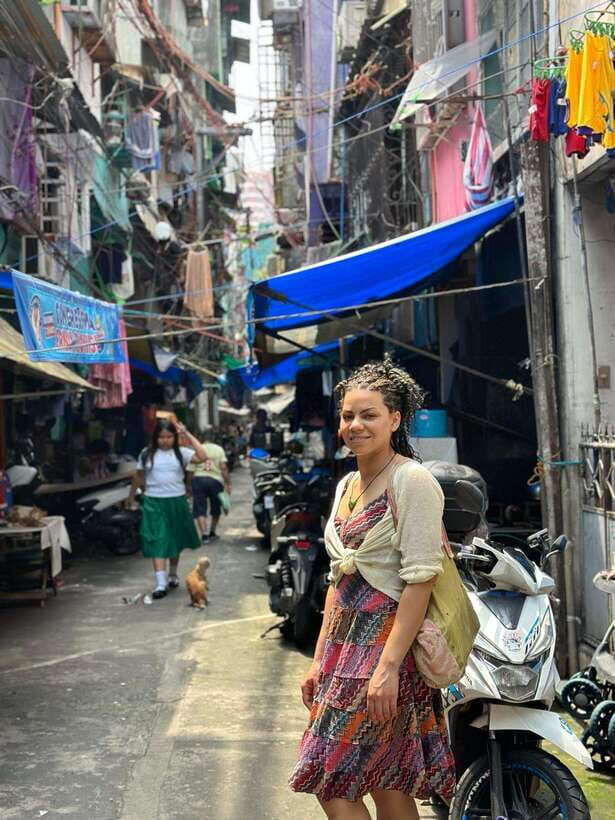
Tondo is one of those places people lump together as one story. This tour is designed to cut through that. With a local guide, you walk through residential streets where community ties show up in tiny details—how people live close together, how everyday routines shape the block, and how neighbors look out for one another.
You’ll also hear stories that explain the neighborhood beyond the stereotypes. In past runs, guides like Venus have shared life insights and kept conversations moving naturally—so it feels less like a lecture and more like exploring with someone who wants you to understand what you’re seeing. Floyd, another guide who’s led this tour, is described as someone deeply rooted in the area, and that kind of connection tends to change the tone: you’re not being shown a backdrop. You’re being guided through a real place where people have goals, worries, humor, and pride.
What you should watch for as you walk:
- Everyday routines happening in front of you, like families heading out and neighbors chatting
- Narrow lanes and close proximity, which means you’ll notice details quickly (and should keep your voice down and phone use mindful)
- Opportunities to ask questions, because the group stays small
There’s also a big value here for anyone who’s tired of “checklist tourism.” If you want Manila’s heart, it can’t be only photos. It has to be conversations, lived-in streets, and the kind of context you can’t get from a poster.
The Wet Market Stop: How Manila Shops Up Close
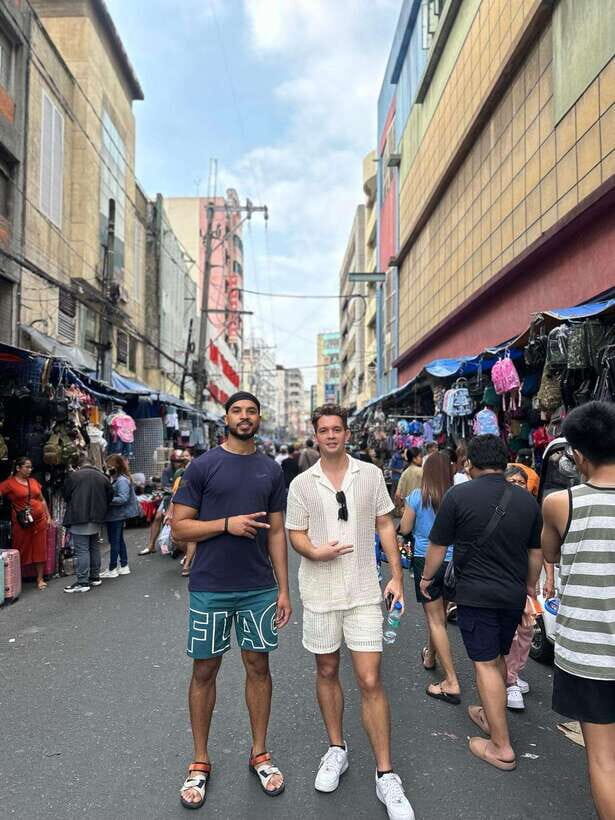
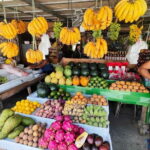
The wet market experience is one of the most praised parts of the tour. This is where you see food and trade as a daily system—where people buy what they need now, not what fits neatly into a souvenir mindset.
Expect a sensory, hands-on kind of viewing. You’ll likely notice:
- produce stacked with purpose
- the rhythm of bargaining and choosing
- how vendors organize goods for fast buying
One reason this stop lands so well is that it’s not just visual. It helps you understand the logic of local life. Food, money, and time are connected. You can see it in how people move through the aisles and how quickly they decide.
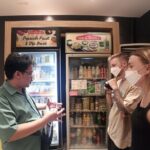
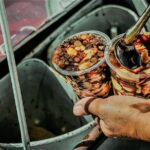
If you’re a foodie, you’re in the right place. Several guides build in tastings or treats around market time—one participant called out bao as a highlight at the end. Even if you’re not a “street food hunter,” you’ll still get plenty from watching how people select and prepare what they’re eating.
Practical consideration: markets can be crowded and intense, so give yourself permission to pause. Look first, then ask. A good guide will help you filter what’s important so the experience feels meaningful, not overwhelming.
Old Manila Threads: Old Town, Chinatown, and Divisoria Energy
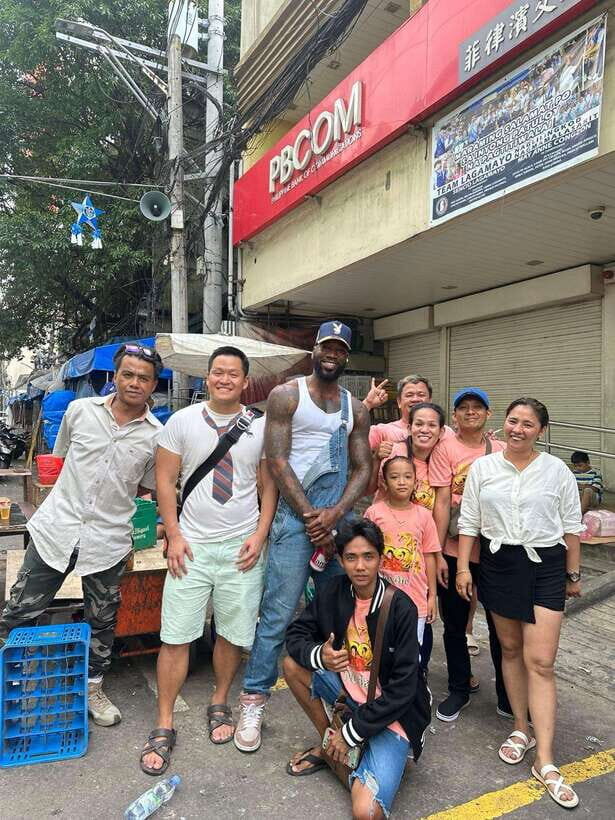
The tour doesn’t stay in one lane. It ties together older Manila areas, including Chinatown and zones often associated with intense local shopping, like Divisoria (mentioned as part of the tour highlights). The result is a snapshot of Manila as a working city with layers—commercial streets, food stops, and communities built over generations.
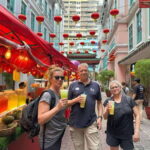
Chinatown is especially memorable on this route, partly because it’s a different mood from the residential streets of Tondo. You’re trading “home neighborhood” energy for “market and food” energy. In past runs, a guide took participants to food spots for tastings such as egg tarts, which makes sense: if you’re walking the area, you might as well eat the local specialties while you’re there.
This is also where local transport helps again. Switching vehicles and streets keeps you from feeling like you’re walking the same sidewalk forever. It also helps you grasp how people connect neighborhoods day-to-day rather than treating each district like a separate tourist island.
What to expect in this part:
- a guided walk through older neighborhood streets
- time to sample food tied to the area
- plenty of opportunities to ask what you’re seeing, especially around commerce and daily routines
Drawback to consider: if you’re hoping for only “quiet culture,” the market-and-food portions can be louder and more crowded. This is a city tour with real energy. If you’re sensitive to crowds, plan to slow down with your guide and focus on one detail at a time.
Local Guides Make It or Break It: Venus and Floyd in Focus
This tour’s quality hinges on the guide relationship. The best version of this experience is not “entering a neighborhood.” It’s being welcomed into it with the right context and the right pacing.
In recent runs, Venus has been praised for being kind, energetic, and fun to travel with, while also sharing clear context about what’s around you and how people live. People also point out that Venus built in food stops and tastings thoughtfully, which makes the tour feel like a conversation rather than a checklist.
Another guide, Floyd, stands out because of how connected he’s described to be. One account portrays him as someone who served in law enforcement and has training in areas like medicine and explosive ordnance, plus being raised in the slums he shows. Even if you don’t care about the credentials, what matters is the effect: participants felt safe because the guide understood the social fabric and knew how to move respectfully.
Here’s what a strong guide does for you on tours like this:
- explains what’s normal so you don’t misread it
- introduces you to local life without turning people into props
- keeps the group close in narrow spaces
- manages the line between learning and staring
If you’ve been worried that slum tours can feel voyeuristic, this is the kind that aims for education first. The best indicator is the tone: questions welcomed, explanations given, and a clear push to treat everyday life with respect.
A few more Manila tours and experiences worth a look
Tricycle and Jeepney Riding: More Than Transportation
The included tricycle and jeepney rides are practical and also narrative. They change your perspective.
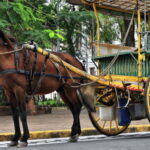
A tricycle ride helps you see how Manila’s street life compresses into small spaces. You feel the turns, the stop-and-go rhythm, and how people navigate close quarters. It’s also usually a quick win for first-time Manila visitors—you get moving without having to figure out ticket rules and routes.
The jeepney ride is the iconic part. It’s not just a ride; it’s a lesson in how people share space and communicate casually. And when your guide is with you, you’re not guessing what’s going on. You can watch and understand without feeling like a clueless passenger.
Because this tour is only 2 hours, getting those rides in early is a smart design choice. You don’t waste time. You get movement, context, and walking that actually connects the dots.
Price and Value: Why $65 Works for This Particular Tour
At $65 per person for 2 hours, this tour may look pricey if you’re comparing it to a DIY walk. But that comparison skips what you’re really paying for: guided access, local transport included, and the kind of context that changes what you notice.
You’re not just paying for someone to lead you on a path. You’re paying for:
- a live English-speaking guide who knows the streets and stories
- included local transport (tricycle and jeepney)
- a route that connects multiple neighborhoods, from residential areas to market-heavy streets
Food and drink can be part of the experience depending on the run. People have mentioned treats like bao and egg tarts, plus a drink or beer included on some outings. Even when food isn’t the main focus for you, tastings are part of what makes this feel like local life instead of a brief tour-of-stations.
The small group size (up to 10) is another value driver. With a larger group, you’d be more likely to get separated in narrow streets and markets. Here, you’re more likely to stay engaged and ask questions.
Who Should Book This Tour (and Who Might Pass)
This experience is best for you if:
- you want Manila beyond the usual postcard stops
- you’re curious about how communities solve everyday problems
- you enjoy walking tours where you talk to a guide and ask questions
- you like food and markets, even if you’re not a hardcore street-food person
It may be less ideal if:
- you want a low-sensory, strictly comfortable outing
- crowds and residential realities feel stressful for you
- you prefer big-ticket sights over human-scale daily life
If your main goal is iconic monuments, you might want to pair this with other sightseeing. But if your goal is understanding how Manila works on the ground, this fits beautifully.
Should You Book Explore Manila Slums and Hidden Market?

I think you should book this tour if you’re looking for a short, high-impact way to see Manila as a living city. The combination of Tondo walking, wet market time, and Chinatown/market neighborhoods, plus the practical tricycle and jeepney rides, makes it feel like a real afternoon with a local guide—especially if you choose it early in your trip so you can use what you learn to interpret everything else.
Skip it only if you know you dislike residential-area walking, market intensity, or close-up cultural realism. If you can handle that, this is one of the most direct ways to understand the city’s everyday heartbeat in just 2 hours.
FAQ
How long is the tour?
It lasts 2 hours.
Where do I meet the guide?
Meet at Tutuban Center Mall near the Bonifacio Monument, by the Lawson Convenience Store.
Is the tour in English?
Yes, the live tour guide speaks English.
How big is the group?
It’s a small group limited to 10 participants.
What transportation is included?
The tour includes a tricycle ride and a jeepney ride.
Will there be food or drinks during the tour?
Food tastings are part of the experience, and recent participants have mentioned treats like bao and egg tarts, along with a drink or beer on at least one tour run.
What areas will we visit?
You’ll explore Tondo, with time in markets (including a wet market), and you’ll also go through older parts of Manila such as Chinatown and Divisoria.
Is there free cancellation?
Yes. You can cancel up to 24 hours in advance for a full refund.
Can I pay later?
Yes. The option is reserve now & pay later.