REVIEW · MANILA
Manila Tuk-Tuk Adventure Hop-in and Hop-Off
Book on GetYourGuide →Operated by Mstartours · Bookable on GetYourGuide
Manila on a tuk-tuk feels like a cheat code. A guided ride through Binondo turns simple street corners into clear, human stories, especially with guides like Mari who know how to explain what you’re seeing. You also get a focused look at Chinatown and how Chinese merchants helped shape daily life in the Philippines.
I especially like the way the tour mixes tuk-tuk cruising with time on foot, so you’re not stuck staring out a vehicle window the whole time. The stops around local markets make the city feel practical and close-up, not like a set of distant photo spots. One consideration: if you’re prone to motion sickness or have heart or blood pressure concerns, this style of riding may not be for you.
In This Review
- Key Things to Know Before You Go
- Starting in Binondo: the meeting point and the first “read” of the neighborhood
- The Tuk-tuk ride plan: how you’ll actually experience Manila for 2 hours
- Local markets: what to look for and why this stop is more than photos
- Chinatown and the Chinese merchant story: understanding what shaped Binondo
- Walking tour time: the details you miss when you stay seated
- Street food stops: how to approach them without overcommitting
- Admission fees and what that buys you
- Price and value: is $63 for 2 hours a smart use of time?
- The guide makes or breaks it: Mari’s impact and what to look for
- Who should book this and who should skip it
- Practical tips for a smooth 2-hour outing
- Bring what helps you enjoy walking
- Check the weather
- Plan around no hotel pickup
- Should you book the Manila Tuk-Tuk Adventure Hop-in and Hop-Off?
- FAQ
- How long is the Manila Tuk-Tuk Adventure Hop-in and Hop-Off?
- Where does the tour meet?
- What is included in the price?
- Is hotel pickup included?
- Are food and drinks tastings included?
- Do I get a live tour guide?
- Is free cancellation available?
- Can I reserve now and pay later?
- Is this tour suitable for everyone?
- What should I check before going?
Key Things to Know Before You Go

- Eco-friendly tuk-tuk ride for short hops through neighborhood streets
- Live local guide who can walk you through what you’re seeing in clear English
- Local markets + walking tour so you get both views and context
- Chinatown stop focused on the Chinese merchant story in the Philippines
- Admission fees included, plus a bottle of water to keep things easy
Starting in Binondo: the meeting point and the first “read” of the neighborhood
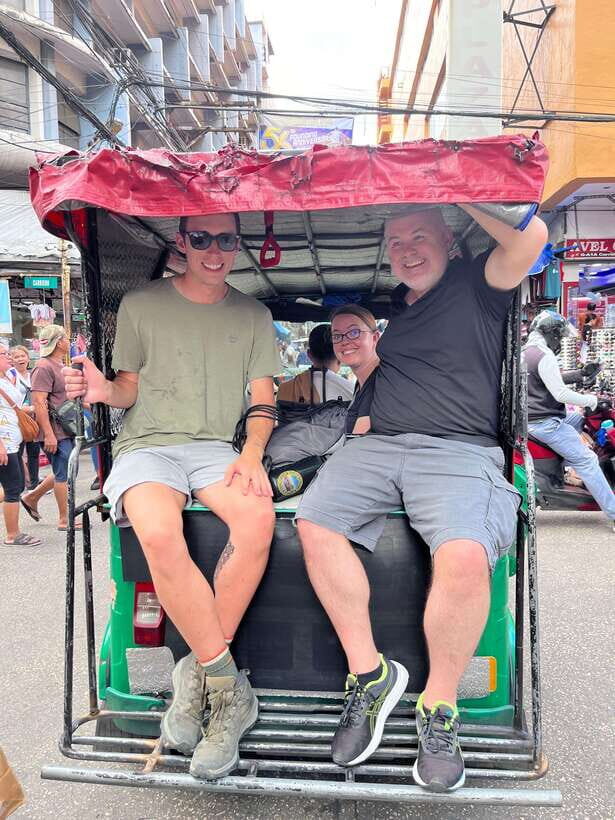
This tour starts at HSBC Bank Binondo Manila. That’s a handy anchor point because it puts you in the right area for the Binondo and Chinatown experience without complicated rendezvous spots. When you arrive, give yourself a few minutes to find the guide and settle before the tuk-tuk portion begins.
Binondo is one of those places where the street scene hits you first: shopfronts, sidewalk activity, and lots of locals moving through their day. Even before you get into the planned stops, you’ll likely pick up how the neighborhood works. That matters because the tour isn’t only about seeing landmarks. It’s about learning how people live, shop, and socialize here.
You can also read our reviews of more tours and experiences in Manila.

The Tuk-tuk ride plan: how you’ll actually experience Manila for 2 hours
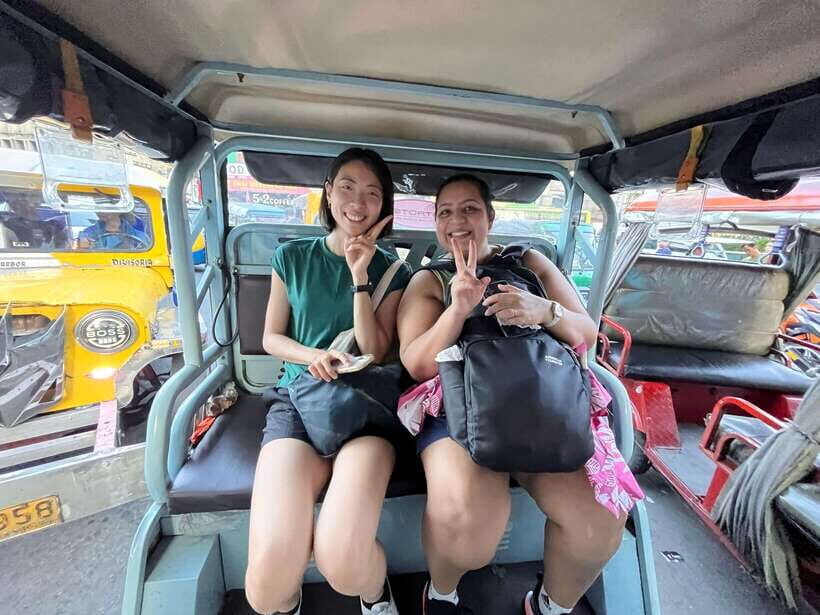
The core format is a tuk-tuk adventure hop-in and hop-off loop with a guided component and walking tour time. Practically, that means you’ll spend part of the experience riding and part on foot, so you can switch between “view the area” and “look closer at details.”
A two-hour duration sounds short, but it’s a good length for a first-timer in Manila because it limits fatigue. You’re not committing to a full day of transport, and you’re also not trying to squeeze in every possible sight in the city. Instead, the tour focuses on a smaller area where history, trade, and everyday life overlap.
The ride is on three-wheeled vehicles, described as eco-friendly in the tour overview. Either way, what you should expect is a low-speed, street-level way to move through neighborhoods. This style works best when you’re curious and comfortable watching the city unfold around you.
Local markets: what to look for and why this stop is more than photos
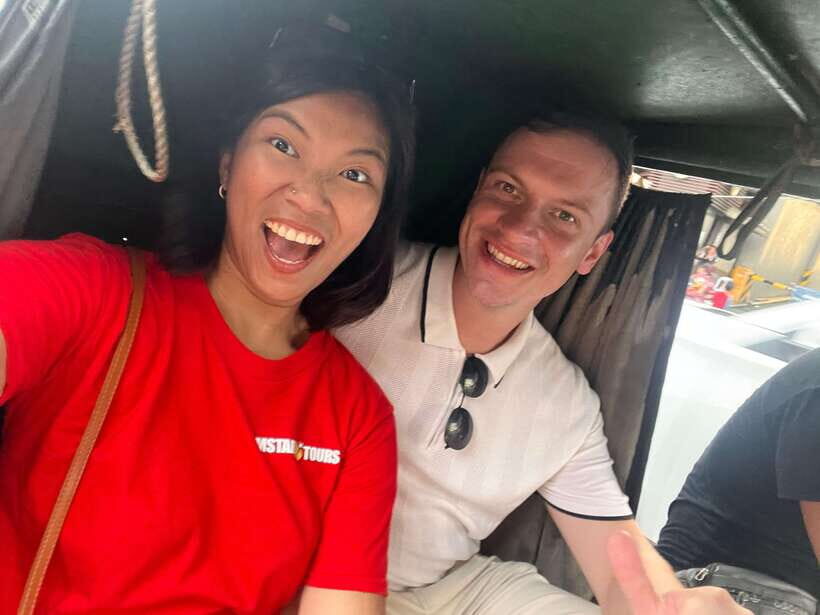
One of the biggest highlights is the stop around local markets. This is where the tour shifts from “tourist viewing” to something more useful: seeing how commerce and community connect in daily life.
When you’re at a market stop, keep an eye on three things:
- What people are buying (and how they’re choosing)
- How vendors explain or display items (even when you don’t speak the language)
- The rhythm of movement as shoppers weave through narrow lanes
If the guide brings you near street food areas or stalls, pay attention to the small signals about what’s freshly prepared and how people order. The tour does not promise that you’ll do food and drinks tasting, but it can still give you insight into what’s common and why.
One reason I like this market component is timing. Markets are often at their most informative when you arrive mid-morning or later in the day, when vendors are actively working and shoppers are moving. You’ll get a better sense of the neighborhood’s “real schedule” than you would by driving past it.
Chinatown and the Chinese merchant story: understanding what shaped Binondo

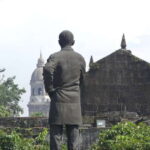
The tour’s most signature moment is the visit to the oldest Chinatown in the world, along with the explanation of how Chinese merchants settled in the Philippines. This is where the tour becomes more than a ride and a walk.
If you’ve ever wondered why Binondo looks and feels distinct, this stop helps connect the dots. The guide focuses on the story of Chinese merchants and how their presence shaped local life. That means you’re not just seeing streets and signs. You’re getting a framework for why this place developed the way it did.
Here’s how to get the most out of this section:
- Look at architecture and street layout as clues, not just decoration
- Listen for how the guide connects trade, community, and generations
- Ask yourself what feels familiar versus what feels different compared to the rest of Manila
This is also where having an attentive guide matters. A good guide doesn’t only point. They translate the street scene into something you can understand quickly.
Walking tour time: the details you miss when you stay seated
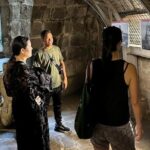
The tour includes a walking tour component, and it’s there for a reason. Tuk-tuks are great for movement, but they limit how close you can get to shopfronts, textures, and small visual cues.
On foot, you can notice things you’ll otherwise miss:
- Name styles on storefronts and signage
- How people organize goods along sidewalks
- Narrow passageways that hint at how crowds and traffic flow
Walking time is also where you’ll absorb the guide’s explanations. If Mari is your guide, the reviews highlight that she’s kind, funny, and speaks English well. Even without that specific guide, the general idea is the same: you get a live person to interpret what’s around you.
My practical advice: use the walking segments to ask the “why” questions. If you wait until you’re back on the tuk-tuk, it’s harder to anchor your questions to specific street-level observations.



Street food stops: how to approach them without overcommitting
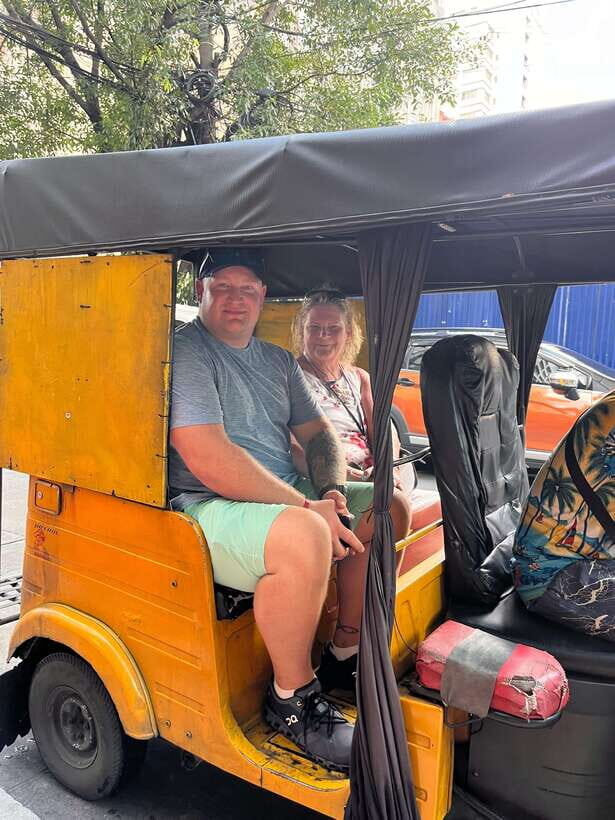
The tour description suggests you may visit street food stalls as part of the experience, with an emphasis on local flavor and hidden corners. At the same time, the listed inclusions do not include food and drinks tasting.
So think of street food here as optional context, not a guaranteed sampling. You might see stalls, learn what people order, and get recommendations. But you should be ready to pay on your own if you decide to snack.
If you’re the type who gets overwhelmed by food choices in a new country, treat this part as a learning moment. You can always grab one small item later once you feel confident about what to look for and how spicy or filling it might be.
Admission fees and what that buys you
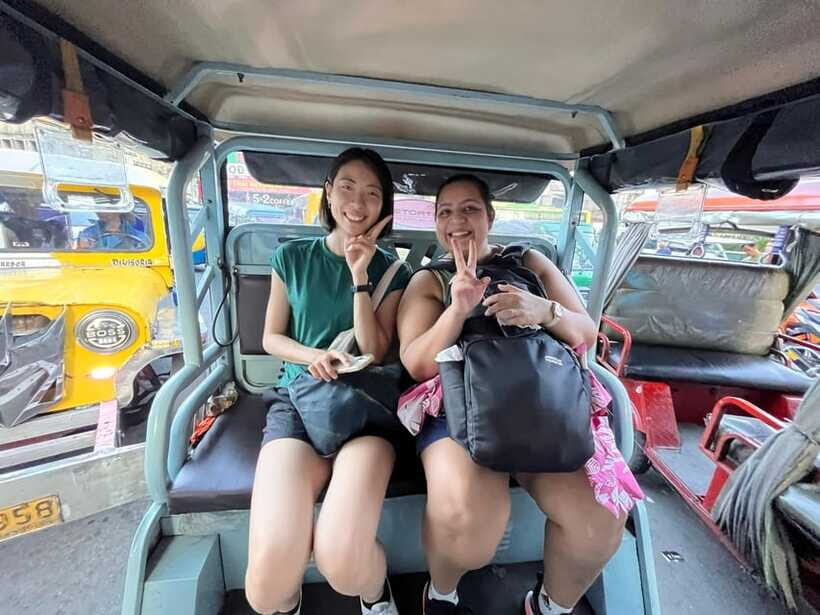
The tour includes an admission fee. That detail matters because it usually means you won’t have to hunt down cash or worry about whether something requires an extra ticket on the spot. Since you’re only out for about 2 hours, removing friction helps the whole experience feel smoother.
The exact sites covered by the admission aren’t spelled out in the provided details, but the takeaway for your planning is clear: plan for a guided, ticketed segment rather than a purely walk-and-photo itinerary.
Price and value: is $63 for 2 hours a smart use of time?
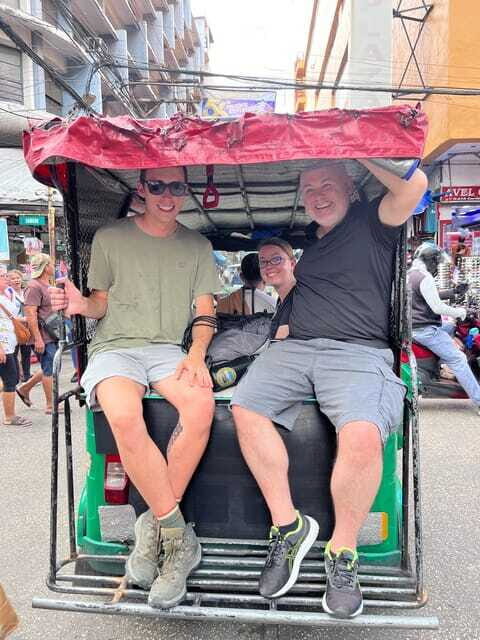
The price is $63 per person for a 2-hour tour. That’s not “cheap,” but it’s also not trying to be a full-day mega-tour. In this time window, you’re paying for three things that add real value:
- Guided context in a dense area
Binondo and Chinatown are places where history, language cues, and street commerce overlap. A guide helps you understand what you’re looking at without guessing.
- Transportation by tuk-tuk plus walking
You get a combination that balances comfort and closeness.
- Included items that reduce extras
You receive bottle water, plus the admission fee, plus the walking tour component.
What’s not included is also part of the value equation. Hotel pickup isn’t included, so you need to get to the meeting point yourself. Also, food and drinks tastings aren’t included, so budget a little if you want snacks.
If you like guided city walking, want an easy first look at Binondo, and prefer not to spend your morning figuring things out solo, this price can make sense. If you’re already very confident exploring Chinatown on your own, you might consider whether a lower-cost walking tour fits your style better.
The guide makes or breaks it: Mari’s impact and what to look for
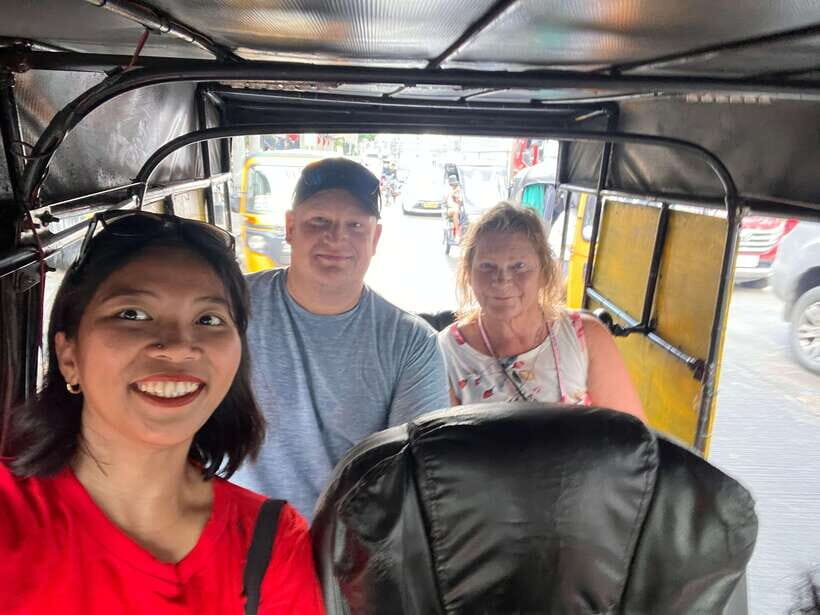
A repeated positive theme in the guide feedback is that Mari brings energy and clarity. People specifically praised her as kind, funny, and cultured, with English described as excellent. That’s a big deal for this kind of tour because you’re navigating a place with a strong identity and a layered community story.
When you meet your guide, notice two things:
- Do they explain what you’re seeing in a way that makes it easier to understand?
- Do they keep the group moving while still allowing questions?
A good guide helps you avoid the common problem where the tour becomes only movement. You’ll want to leave with a clearer picture of what makes Binondo distinct, and why the Chinese merchant story matters here.
Who should book this and who should skip it
This tour can be a good match if you want:
- A short, structured way to see Chinatown and market areas
- A guide who can explain local context in English
- A mix of tuk-tuk ride + walking tour without committing to a full day
It’s not suitable if you have heart problems, high blood pressure, wheelchair use needs, or motion sickness. Since the tour includes riding in a tuk-tuk, motion sensitivity is an important factor. If any of those apply, I’d skip this option and choose something less movement-based.
For families, couples, and solo travelers, the 2-hour length makes it easier to fit into a Manila schedule.
Practical tips for a smooth 2-hour outing
Here’s how I’d set yourself up for a better experience.
Bring what helps you enjoy walking
You’ll likely do some strolling and standing while the guide talks. Wear shoes you trust for uneven sidewalk areas. Also, keep your phone charged for photos, because the Chinatown and market visuals can tempt you to stop a lot.
Check the weather
The tour explicitly advises checking the weather forecast. That’s real-world advice in Manila, where rain can change walking comfort quickly.
Plan around no hotel pickup
Because pickup isn’t included, you’ll want to treat the meeting point as your job site. Get there a little early, then relax once you meet the guide.
Should you book the Manila Tuk-Tuk Adventure Hop-in and Hop-Off?
Book it if you want a guided, time-friendly way to experience Binondo’s Chinatown and market areas, and you value a guide who can explain the Chinese merchant settlement story in plain, confident English. At $63 for 2 hours, you’re paying for transport, a walking component, and included admission, which makes it easier to enjoy without chasing tickets or figuring it out alone.
Skip it if you have motion sensitivity, heart or blood pressure concerns, or you need wheelchair-friendly access. Also consider skipping if you dislike guided structure and prefer independent exploration.
If you’re deciding between options in Manila, this one is a solid “first Chinatown” choice because it focuses on a small area, gives context, and keeps the total time short enough to feel manageable.
FAQ
How long is the Manila Tuk-Tuk Adventure Hop-in and Hop-Off?
The tour duration is 2 hours.
Where does the tour meet?
The meeting point is HSBC Bank Binondo Manila.
What is included in the price?
It includes a local guided tour, a tuk-tuk ride, bottle water, an admission fee, and a walking tour.
Is hotel pickup included?
No, pick-up hotel service is not included.
Are food and drinks tastings included?
No. Food and drinks tasting is not included.
Do I get a live tour guide?
Yes, the tour includes a live tour guide.
Is free cancellation available?
Yes. You can cancel up to 24 hours in advance for a full refund.
Can I reserve now and pay later?
Yes. The tour offers reserve now & pay later.
Is this tour suitable for everyone?
No. It is not suitable for people with heart problems, wheelchair users, people with high blood pressure, or people with motion sickness.
What should I check before going?
Please check the weather forecast before your tour date.