REVIEW · MANILA
Revolutionary Tour of Manila
Book on GetYourGuide →Operated by Manila Revolution Tour · Bookable on GetYourGuide
History hits hard inside Fort Santiago. This Revolutionary Tour of Manila is a guided walk through Intramuros that connects big shifts in Philippine history to real rooms, real walls, and real stories. I love how the tour frames the country’s past as a struggle with unsung heroes, not just famous dates, and I also like the practical pacing—Fort Santiago first, then the churches and the streets around them. One thing to consider: if services are happening at the churches, you may not get full interior time, so the tour can feel shorter than expected.
You’ll start where history got loud—Fort Santiago—and you’ll end where Intramuros looks nothing like it used to. The Jose Rizal prison cell stop alone gives you a strong anchor point, and the tour’s emotional centerpiece is the dungeons and what happened to prisoners there. The main drawback I’d flag is that the subject matter is intense, so if you’re looking for a light, casual city stroll, this one may hit too hard.
In This Review
- Key points I’d circle before you go
- Revolutionary Manila in 3 hours: what you’re really signing up for
- Fort Santiago Gate to the dungeons: where the tour earns your attention
- Rizal’s last prison cell
- The dungeons: a moment you won’t forget
- Skip-the-line energy
- Manila Cathedral and General Luna Street: politics in church stone
- If there’s a Mass, plan for less interior time
- A stroll on General Luna Street
- San Agustin Church and Calle Real: resilience and the city’s big change
- Why the end at Calle Real matters
- Drop-off back near Fort Santiago
- Guide quality in English and German: how you’ll feel the difference
- Price and value check for $60: what you get for your time
- Practical tips: shoes, heat, and how to prepare mentally
- Plan for a serious tone
- Who should book this Revolutionary Tour of Manila
- Should you book the Revolutionary Tour of Manila?
- FAQ
- Where do I meet for the tour?
- How long is the Revolutionary Tour of Manila?
- What sites are included in the route?
- Where does the tour start and where do I end up?
- What’s included in the price?
- Is there a skip-the-line option?
- What languages are the live guides?
- What should I avoid during the tour?
Key points I’d circle before you go
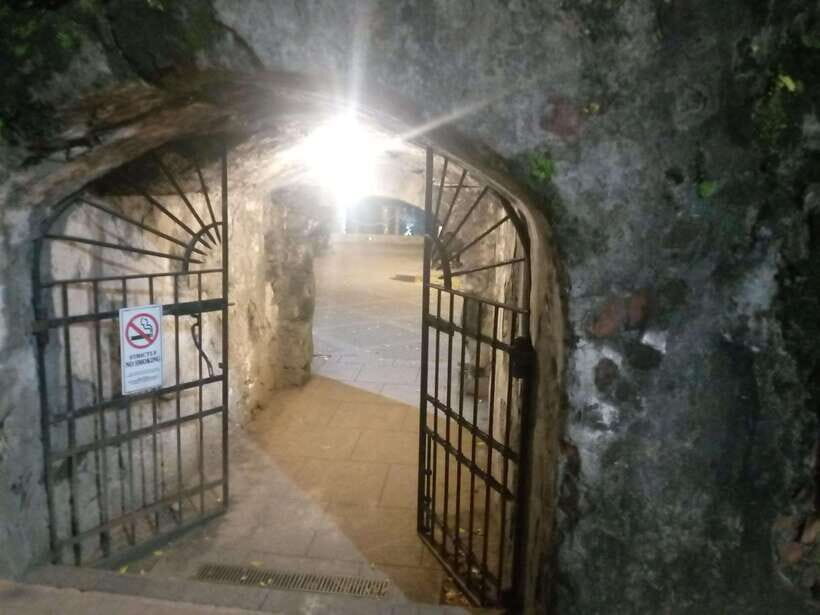
- Fort Santiago dungeons and Rizal’s cell: you’ll see the exact spots tied to the Spanish-era imprisonment story.
- Unsung patriots, from pre-Hispanic times to Japanese occupation: the tour tries to widen the spotlight beyond one name.
- Stories of the prisoners of war and a mass grave: the tour doesn’t skip the human cost.
- Manila Cathedral + General Luna Street: you’ll connect church influence to politics and trace the Philippine-American War narrative.
- San Agustin Church resilience and Calle Real contrasts: you finish with a sense of how Intramuros changed shape over time.
- Professional guide in English or German, plus skip-the-line entry: you spend more time learning and less time waiting.
Revolutionary Manila in 3 hours: what you’re really signing up for
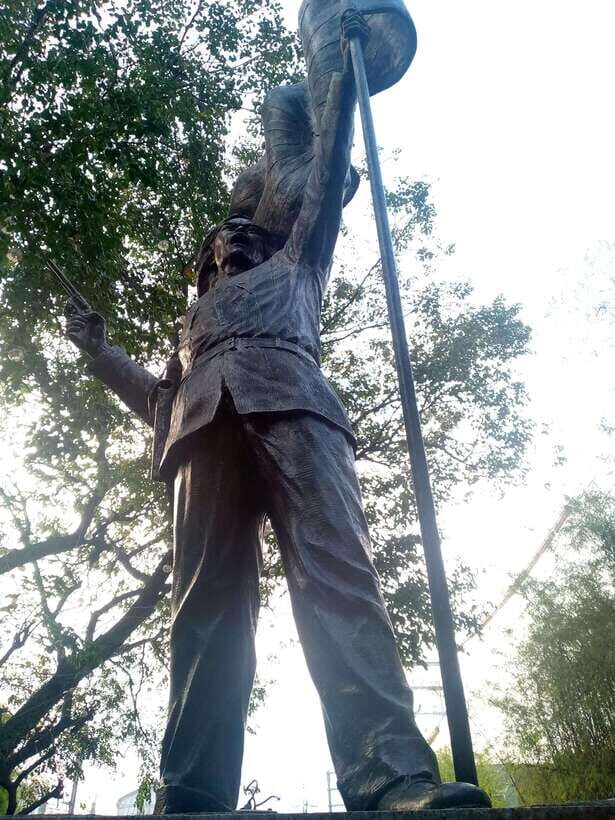
A good history tour does two things. It gives you details you can actually remember, and it helps you understand why those details mattered. This one focuses on Philippine independence and reform—but it’s not a single-lesson lecture. It’s built around a sequence of places in Intramuros, especially Fort Santiago, where each stop adds a new layer to the story.
At $60 per person for about 3 hours, you’re paying for more than sightseeing. You’re getting a professional guide, entrance fees included for the sites on the route, and transportation to keep the timing workable inside the walled city. If you’ve ever done a DIY walk and felt like you were just passing plaques with no context, this is made to fix that.
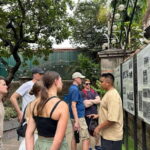
The tour is also very clear about its logistics. You meet at the Fort Santiago Gate, and the guide has the tour poster so you can spot them. It’s offered with live interpretation in English and German, and it’s wheelchair accessible. For many visitors, that combination—language + timing + key historic stops—turns the price into something you can justify.
You can also read our reviews of more tours and experiences in Manila.

Fort Santiago Gate to the dungeons: where the tour earns your attention
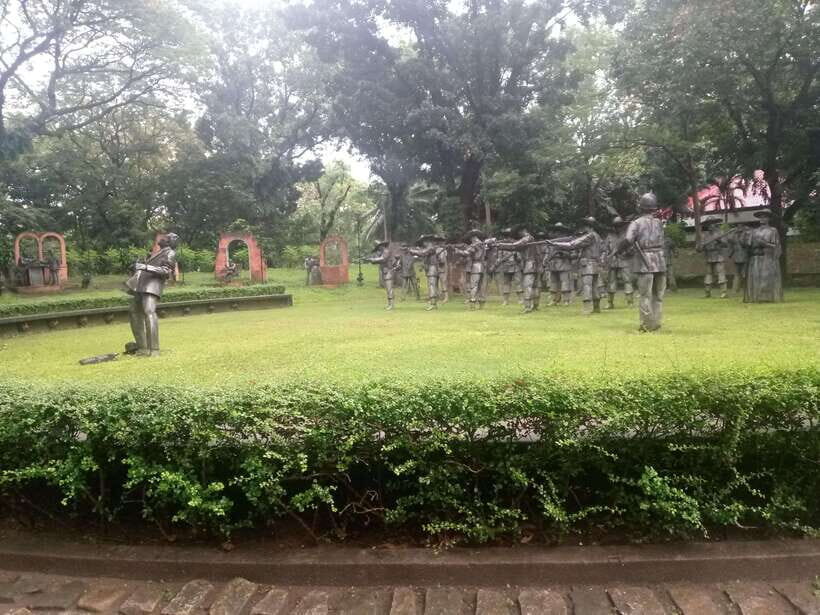
Fort Santiago is the tour’s engine. You start there—18 Sta. Clara St / Fort Santiago—and you spend the first stretch with the guide. Expect a focused about one-hour introduction at the fort, then you move on to the churches afterward.
What makes Fort Santiago special is that it isn’t just a viewpoint or a photo stop. It’s tied to imprisonment, detention, and the brutal mechanics of colonial power. You’ll learn about patriots before Spanish rule and see how the story stretches forward, including the Japanese occupation period. That range matters because it positions the revolution as something that grows over time, not as a single fireworks moment.
Rizal’s last prison cell
One of the most specific stops is the last prison cell where Dr. Jose Rizal was detained. This isn’t treated like a museum label. You get the surrounding context—why Rizal mattered in the reform and revolutionary currents of the time, and how imprisonment functioned as control rather than justice.
If you already know Rizal’s name, this stop is still valuable because it turns a familiar figure into a place you can picture. When a guide points out what you’re standing near, you remember it later. That’s the real payoff of doing this with a guide instead of just reading on your phone.
The dungeons: a moment you won’t forget
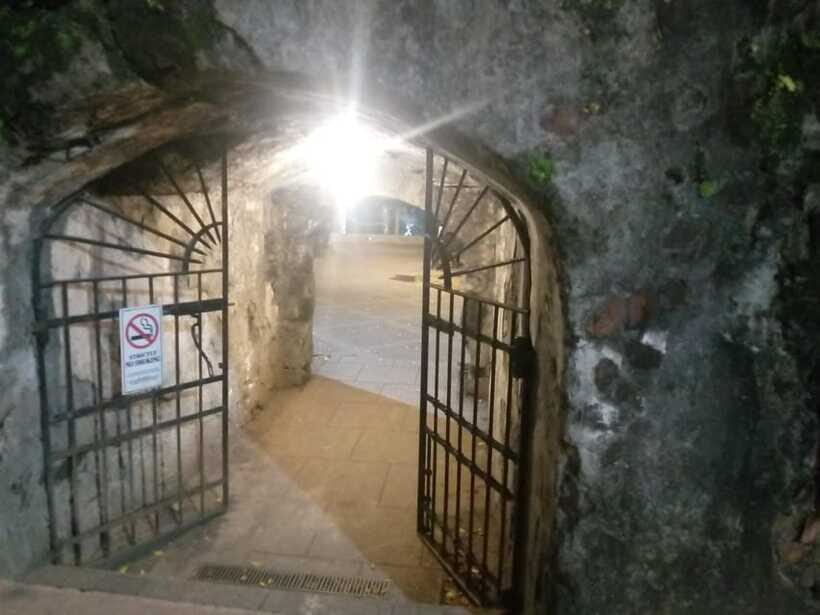
The most intense section is the one inside the dungeon space. The tour emphasizes the thin supply of oxygen the dungeons could only offer and you’ll walk through chambers connected to deaths of prisoners.
You’ll also hear about the death of 600 Filipino and American civilian prisoners of war, and you’ll pay tribute at their mass grave. Whether you’ve studied that period before or not, that combination of details and a physical place changes how the information lands in your mind. It turns the numbers into people—and it makes the history feel less abstract.
Practical note: the dungeons and interior spaces can feel closed-in and heavy. If you want to pace yourself emotionally, take a breath before you enter and save your questions for right after.
Skip-the-line energy
You’re also set up to lose less time waiting around. The tour includes skip-the-line entry through a separate entrance, which helps you get into Fort Santiago faster. That matters because the schedule is tight: you only have a few hours total, and you want the “important places” to take up most of that time.



Manila Cathedral and General Luna Street: politics in church stone
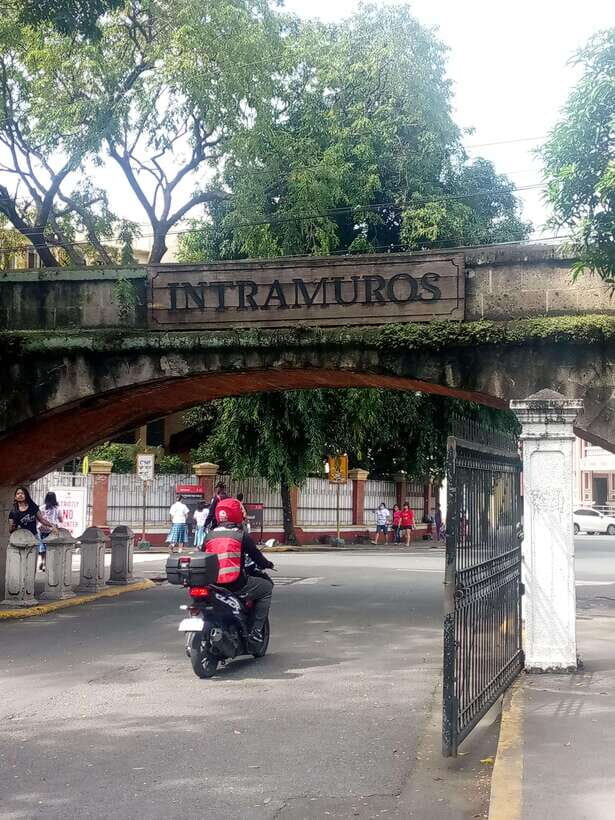
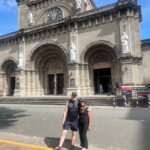
After Fort Santiago, the tour moves to Manila Cathedral for a guided stop of about 30 minutes. This section can feel like a shift in mood—not because the subject is lighter, but because the story turns toward how power works when it’s tied to institutions.
Here, the focus is the power struggle between the church and the government. You’ll learn how influence wasn’t only a matter of armies; it was also a matter of authority, legitimacy, and who got to shape public life.
If there’s a Mass, plan for less interior time
There’s one potential snag you should be aware of. Church schedules can affect what you can enter. If services are happening, you may not be able to go inside during your time block. When that happens, the guided portion can feel compressed because you lose access to parts of the experience.
I’d treat this as a possibility, not a failure. It’s still a meaningful tour, but the cathedral stop is most effective when you can actually see and experience it with the guide.
A stroll on General Luna Street
From there, you’ll continue along General Luna Street and learn the tales of courage and sacrifice during the Philippine-American War. This is where the tour starts connecting history to urban movement. Instead of staying behind walls, you’re walking through the real corridor where the city’s story plays out.
General Luna Street is a strong choice because it gives you a “street-level” feeling after Fort Santiago’s confinement. You’ll remember the difference between a place designed to restrict movement and a street designed for daily life.
San Agustin Church and Calle Real: resilience and the city’s big change
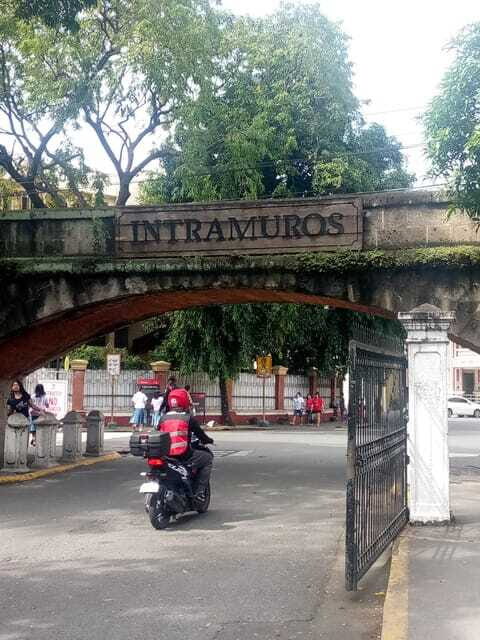
The tour then reaches San Agustin Church, with another about 30 minutes guided stop. This is one of the most atmospheric points on the route, because the guide focuses on how the church has endured through different periods of history.
The big idea here is resiliency. You’ll hear stories about surviving shifts in rule and surviving the pressure that comes with being at the center of society. It’s not just a building story—it’s a connection to how institutions and communities weather historic upheavals.
Why the end at Calle Real matters
Finally, the tour finishes at Calle Real, where you get a strong visual reminder of change. The guide points out how former downtown Intramuros has shifted into something close to its opposite.
That ending is more useful than it sounds. If the first half of your tour makes history feel heavy, the ending helps you see what survived physically and what changed socially. It’s the difference between learning about events and understanding how those events reshape a place.
Drop-off back near Fort Santiago
Even though you finish in the Calle Real area, you’re not left stranded. Your tour includes drop-off back at 18 Sta. Clara St / Fort Santiago, which makes the logistics simple for the rest of your day. It’s a small detail, but it matters when you’re trying to plan the next meal or your next stop.
Guide quality in English and German: how you’ll feel the difference
The tour is run by live guides who speak English and German, which is a big deal if you care about nuance. You’re listening to historical explanations, not just hearing a few facts tossed out like trivia.
In particular, one guide named Jerome is highlighted for speaking English and German very well, and for making the tour extremely informative. That kind of clarity matters because this itinerary includes serious topics: imprisonment, deaths, and war. A strong guide can keep you oriented through the emotional weight without turning it into chaos.
If your guide is excellent, you’ll leave with a timeline in your head. If your guide is merely adequate, you might still learn things, but the connections can get fuzzy. For this tour, I’d prioritize guides who can link place to meaning, and language fluency is a key part of that.
Price and value check for $60: what you get for your time
Let’s talk value in plain terms. $60 for about 3 hours doesn’t feel like a bargain if you think of it as only “walking around Intramuros.” But this tour includes several things that add up fast:
- Professional guide for all key stops
- Entrance fee support for the sites on the route
- Transportation to keep movement realistic inside the walled area
- Skip-the-line entry so you don’t waste prime learning time
Also, the tour concentrates on a handful of high-impact places: Fort Santiago, Manila Cathedral, and San Agustin Church, plus street storytelling on General Luna Street and a finish at Calle Real. That’s the kind of route where a guide earns their fee—especially because Intramuros is easy to visit on your own, but harder to interpret.
If you’re the type of traveler who loves reading plaques, you might feel this is pricey. If you’re the type who needs the story stitched together, it’s a fair rate for the amount of explanation and the number of serious, specific stops.
Practical tips: shoes, heat, and how to prepare mentally
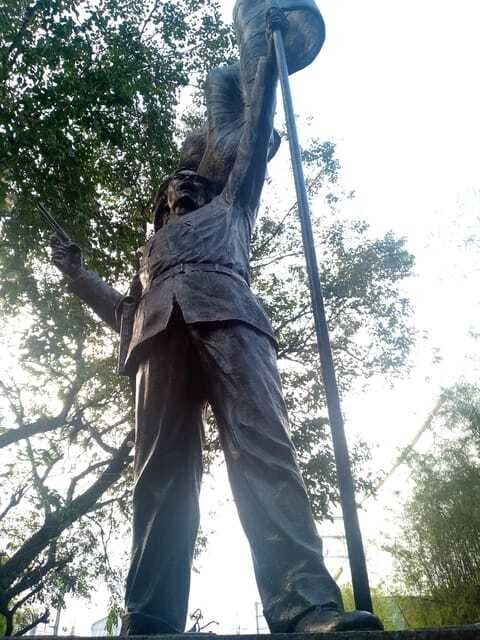
This is a short tour, so small practical choices can make it more comfortable.
- Use sunscreen or mosquito repellant before you go. Intramuros days can get hot, and you don’t want to scramble for supplies mid-tour.
- Wear shoes you can walk in. Bare feet are not allowed, and you’ll be moving between locations inside the historic center.
- Don’t bring alcohol or drugs. That’s explicitly not allowed, and it’s also just not a smart match for prison and war history stops.
Plan for a serious tone
The content includes detention, deaths, and prisoners of war. The tour asks you to acknowledge a mass grave and share the stories connected to those deaths. If you know you get emotional with heavy history, plan your day so you’re not rushing to something equally intense right after.
If you want a smooth follow-on, pair the tour with something calmer after—coffee, a relaxed meal, and time to walk slowly and look at the streets you just heard about.
Who should book this Revolutionary Tour of Manila
This tour is a great fit if you want more than general sightseeing in Intramuros. You’ll enjoy it most if you care about how independence and national identity formed across different eras, especially:
- Spanish and American rule
- revolution and reformism shaping the nation
- the Philippine-American War story
- the wider theme of patriots across time, not only the most famous figure
You’ll also like it if you want a structured route that hits the right sites in a short window. With its 3-hour duration, it’s a workable chunk of time for visitors who only have one day in Manila.
If you prefer quiet self-guided museum browsing, you might find it too scheduled. But if you like getting context and having a guide answer the why behind the where, you’ll feel at home here.
Should you book the Revolutionary Tour of Manila?
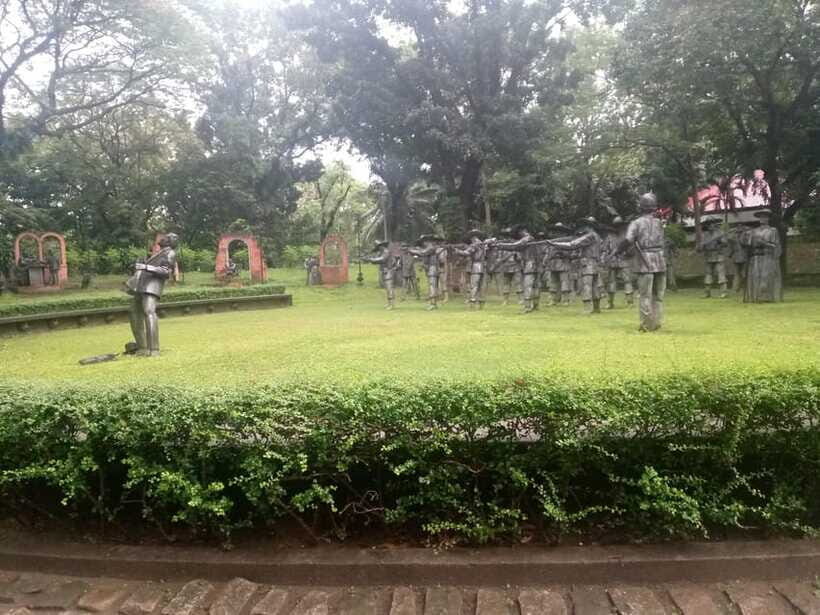
I’d book it if you want Intramuros with direction—especially if Fort Santiago is on your list. The guide-led focus on Rizal’s cell, the dungeon story, and the human cost tied to prisoners makes this more than a checklist tour. Add in the movement to Manila Cathedral, San Agustin Church, General Luna Street, and the finish at Calle Real, and you get a full arc: confinement, power struggle, endurance, and change.
I’d hesitate if you want an easy, low-emotion walking tour, or if you’re traveling with expectations that churches will always be fully accessible inside at your time. Services can affect interior entry, and that can compress the experience.
If you’re ready for history that’s specific and serious, and you like having a guide connect the dots, this is a strong value way to experience Revolutionary Manila without wasting time guessing what you’re seeing.
FAQ
Where do I meet for the tour?
Meet at the Fort Santiago Gate. The guide has the tour poster so you can identify them.
How long is the Revolutionary Tour of Manila?
The duration is 3 hours.
What sites are included in the route?
You’ll visit Fort Santiago, Manila Cathedral, and San Agustin Church, plus guided storytelling along General Luna Street and a finish at Calle Real.
Where does the tour start and where do I end up?
You start at Fort Santiago. You can expect drop-off back at 18 Sta. Clara St, Fort Santiago, even though the tour finishes in the Calle Real area.
What’s included in the price?
Included are a professional guide, entrance fee, and transportation.
Is there a skip-the-line option?
Yes. You get skip-the-line access through a separate entrance.
What languages are the live guides?
The live tour guide is available in English and German.
What should I avoid during the tour?
Alcohol and drugs are not allowed, and bare feet are not allowed.