REVIEW · MANILA
Private Half-Day Shore Excursion in Manila
Book on Viator →Operated by Blue Horizons Travel and Tours, Inc · Bookable on Viator
Manila hits hard in four hours. This private shore excursion packs major sights into a smooth, port-based day, with a dedicated guide and a flexible feel you won’t get on big coach tours.
I especially like the pickup and drop-off right at the port. It helps you start fast when your ship docks, and it keeps the day from turning into a transport squeeze. I also love the mix of places: Spanish-era landmarks like San Agustin Church and Fort Santiago, plus the daily-life energy around Quiapo.
One thing to consider is the pace. It’s only about 4 hours, so you’ll see a lot more than you’ll linger—especially at the busiest indoor stops.
In This Review
- Key things to know before you go
- Starting from Pier 15: a Manila day that doesn’t waste time
- Rizal Park: Dr. Jose Rizal’s story starts the day
- Intramuros: the walled city in a quick, meaningful pass
- San Agustin Church: Manila’s oldest stone church stop
- Casa Manila and Fort Santiago: from home life to defense
- The American Cemetery stop that changes the tone
- Quiapo Church and the Black Nazarene area: devotion, markets, and movement
- Private-guide tips: how Jonas, Tony, Aimee, and others make it work
- Price check: is $125.65 worth it for a half-day private tour?
- Who this tour suits best, and what to plan after
- Should you book this Manila shore excursion?
- FAQ
- How long is the private half-day shore excursion in Manila?
- What time does the tour start?
- Where do we meet and how does pickup work?
- Are entrance fees included?
- Is this a private tour?
- What stops are included?
- What’s included and what’s not?
- What is the policy for children?
- Can I cancel or change the booking?
Key things to know before you go
- Port-first convenience: Pickup and drop-off are at the Manila port entrance/exit, with round-trip transportation between sites.
- Entrance fees included: You don’t have to budget for admission at the listed attractions.
- Truly private guiding: It’s just your group, with local English speaking commentary and lots of room for questions.
- A tight historical-to-street mix: Rizal Park and Intramuros transition into churches, a preserved home (Casa Manila), and Fort Santiago, then on to Quiapo.
- Comfort planning matters: Food and drinks aren’t included, so plan what you’ll do before and after your 4-hour window.
Starting from Pier 15: a Manila day that doesn’t waste time
If your cruise schedule is tight, you’ll feel the value immediately. You meet at the entrance/exit gate of Pier 15, and you’re taken back there after the tour. No hunting for taxis with a rolling suitcase, no waiting around with a crowd that isn’t going your pace.
The tour is priced at $125.65 per person for a private half-day, roughly 4 hours. That price makes more sense when you factor in what’s included: local English-speaking guide time, round-trip transportation between several stops, and entrance fees to the attractions you visit.
You also get a mobile ticket, which is handy if you’re trying to keep your day organized while managing ship check-in, tenders, or crowds. And because it’s private, you can ask your guide to slow down for photos, explain a detail you missed, or tweak the order as your group prefers—within the reality of time on shore.
One small practical note: you’re not on a food tour. Food and drinks aren’t included, so treat this as a morning-to-early-afternoon style sightseeing block, then eat after.
You can also read our reviews of more private tours in Manila


Rizal Park: Dr. Jose Rizal’s story starts the day
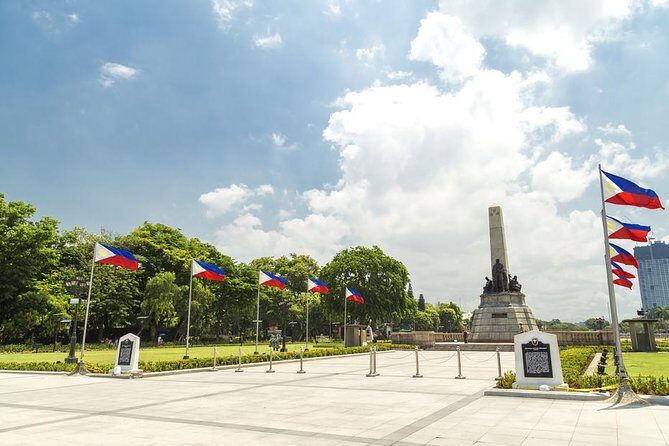
Rizal Park is your first stop, with about 15 minutes on site. It’s named for Dr. Jose Rizal, and that matters because the park isn’t just a pretty break—it’s a launch point into the national story of the Philippines.
In that short time, you’re not meant to do deep museum hours. Instead, you’re getting your bearings and learning why this place sits where it does in Manila. The guide’s commentary is the key here: the park works best when you know what you’re looking at, and you can ask questions right away.
If you’re the kind of person who likes to photograph important landmarks, this is a good chance to get a few clean shots early before traffic, heat, and crowds intensify later in the day.
Intramuros: the walled city in a quick, meaningful pass
Next comes Intramuros, the historic walled city. You’ll have a brief picture stop and then move on, so think of this as orientation plus context—not a long walk tour.
Even in a short window, Intramuros is powerful because it’s the physical boundary of Manila’s older world. The walls and layout help you understand the city’s defensive past and why so many major sites cluster close together.
This is also where a private guide pays off. If you want to ask why certain areas feel the way they do, or what you should look for when you return later on your own, this is the time to do it.
If you’re tempted to skip this stop to save time, don’t. That quick orientation makes the next stops—churches, houses, and the fort—feel connected instead of random.
San Agustin Church: Manila’s oldest stone church stop
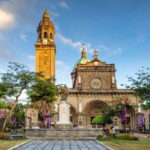
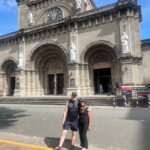
You head to San Agustin Church – Immaculate Conception Parish, with about 30 minutes. This is described as the country’s oldest stone church, and the interior focus is on ecclesiastical icons, vestments, and religious items.
Thirty minutes is enough to get the main idea and still move at a comfortable pace with a guide pointing out what’s worth your attention. The biggest advantage here isn’t just seeing the church—it’s understanding what you’re looking at, because churches can feel like “pretty architecture” unless someone explains the symbolism and significance.
Practical tip: churches can be cooler than the street, but you’ll still be walking between sites. Wear comfortable shoes and plan for short transitions. If you’re sensitive to strong lighting for photos, you might want to keep your camera settings simple and let your eyes adjust.
Casa Manila and Fort Santiago: from home life to defense
After San Agustin Church, you visit Casa Manila, a reproduction of a 19th-century house with both Oriental and European decor and Philippine antique furniture. You get about 30 minutes here.
This stop works well because it shifts the story away from big monuments and into daily life. You’re not just looking at a building—you’re seeing how design, objects, and rooms can reflect Manila’s cultural mix.
One drawback: if you dislike house-museum layouts, you might find this shorter time limit makes it feel slightly “seen and move on.” But with a guide, it’s still a smart use of time, because you’ll know what details to notice before you’re out the door.
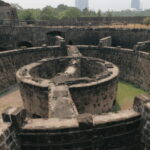
Then you continue to Fort Santiago, where you get another 30 minutes. Fort Santiago is Manila’s main line of defense against invaders from the sea, so the tone changes again. Casa Manila asks you to imagine life inside rooms; Fort Santiago asks you to imagine movement, strategy, and pressure from outside.
If you like visual contrasts, this pairing is a good one: you see both how people lived and how the city protected itself. And because the guide is with you the whole time, you can connect those themes without having to research later.
A few more Manila tours and experiences worth a look




The American Cemetery stop that changes the tone
Your tour experience is also described as including major landmarks such as the American Cemetery. Even when it’s not the first thing people think of in Manila, it’s a stop that often sticks because it shifts the mood.
This is a moment of pause in the day’s pattern of churches and city structure. It can make the rest of your sightseeing feel more grounded, because war and remembrance are part of Manila’s 20th-century reality too.
I like adding a stop like this into a half-day plan, because it prevents your day from becoming only about photo spots. It gives your guide a chance to explain historical context that you won’t get from quick captions.
Quiapo Church and the Black Nazarene area: devotion, markets, and movement
From Fort Santiago, you drive by Quiapo, often described as the heart of Manila, with its market, the pilgrimage church of the Black Nazarene, jeepney terminals, and bazaars. Then you stop at Quiapo Church for about 1 hour.
This is the stop where Manila feels most like daily life. A private guide helps here because the area can feel chaotic at first glance, and a good guide turns that chaos into orientation: what the district is known for, what to notice, and how to move through the streets without feeling lost.
That 1-hour window matters. It’s longer than the typical monument stop, so you can take in both the church and the atmosphere around it.
If you’re traveling with limited time onshore, Quiapo is still worth it, because it shows the city’s living culture rather than only its older structures. It’s also a good contrast against Intramuros, which is about walls and preserved space.
Private-guide tips: how Jonas, Tony, Aimee, and others make it work
The best part of a private shore tour is simple: your guide can adjust to your group. In the past, guides have included Jonas, Tony, Aimee, Manny, and Joshar—and the common thread is that the commentary stays conversational, not scripted.
What you should look for during the tour is this: ask one or two questions early, and then use the answers to guide your attention. For example, once your guide explains why a site matters, you’ll notice details you’d normally walk right past—like the kinds of icons and vestments in San Agustin Church, or the defensive purpose behind Fort Santiago.
Also, pay attention to how the driver handles traffic. One guide group paired with driver Roy has been described as prompt and safe even with Manila traffic. That’s not a detail you think about until you’re stuck in a line of vehicles with a cruise ship timer ticking.
Private means the schedule is tighter, but it also means you can ask for small adjustments on the fly. That’s why this tour feels less like a checklist and more like your day.
Price check: is $125.65 worth it for a half-day private tour?
At $125.65 per person, this isn’t the cheapest way to see Manila. But it’s often priced like a “real service,” not a discount bus plan.
Here’s what you get that raises the value:
- Pickup/drop-off at the port entrance/exit, saving time and stress.
- Local English speaking private guide with in-depth commentary.
- Entrance fees included for the listed attractions.
- Round-trip transportation between multiple sites.
- Private group so you’re not trapped in a large crowd pace.
The value question depends on your alternative. If you’d otherwise book a cruise-line group tour, this can feel like a better deal because cruise shore tours can be priced high for the same core sights. And with fewer people in your group, you’ll have more chances to ask your guide about what you’re seeing rather than waiting for a stop to end.
If you’re the kind of traveler who likes to manage logistics independently, you could theoretically piece together a trip. But for most cruise visitors, the time cost and the stress of coordinating transport quickly outweigh the small savings.
Who this tour suits best, and what to plan after
This tour fits well if you:
- Want the big Manila sights in a single half-day window
- Prefer private guiding so you can ask questions
- Appreciate a planned sequence that starts at the port and ends back there
- Like variety—church interiors, heritage rooms, defensive architecture, then street-level Manila
It may feel less ideal if you:
- Hate going from place to place on a timer
- Want long museum-style stays
- Expect food to be part of the experience
For your day planning, I’d treat this like a “get your bearings” plus highlights session. After the tour, plan a meal you enjoy—because you’ll likely be walking and your appetite will catch up fast. Also keep some flexibility for photos, since you’re moving through several distinct neighborhoods.
Should you book this Manila shore excursion?
If you’re on a cruise and you want a focused, private Manila day that starts and ends at the port, I’d say this is a strong choice. The biggest win is the combo of port convenience + entrance fees included + guide-led context. That’s exactly what makes a short shore day feel worth it.
Before you book, check whether a half-day pace matches your travel style. If you love lingering in one place, you might find four hours feels short. But if you want a smart sampler of Manila’s landmark and everyday sides, this is the kind of tour that gets your day right without wasting it in transit.
FAQ
How long is the private half-day shore excursion in Manila?
It runs for approximately 4 hours.
What time does the tour start?
The start time is 8:30 am.
Where do we meet and how does pickup work?
Pickup is offered at the entrance/exit gate of Pier 15, and you’ll also be dropped off there at the end of the tour.
Are entrance fees included?
Yes. Entrance fees to all attractions included in the tour are covered.
Is this a private tour?
Yes, it is private. Only your group participates.
What stops are included?
You’ll visit places such as Rizal Park, Intramuros, San Agustin Church, Casa Manila, Fort Santiago, and Quiapo Church, with other major landmarks also included.
What’s included and what’s not?
Included items are taxes, fees, handling charges, and a local English speaking tour guide. Not included are food and drinks, plus personal expenses.
What is the policy for children?
Child rate applies only when sharing with 2 paying adults, and children must be accompanied by an adult.
Can I cancel or change the booking?
This experience is non-refundable and cannot be changed for any reason.