REVIEW · MANILA
A Full Day Tour Adventure From Manila’s History to Volcano Views
Book on Viator →Operated by My Travel Buddy · Bookable on Viator
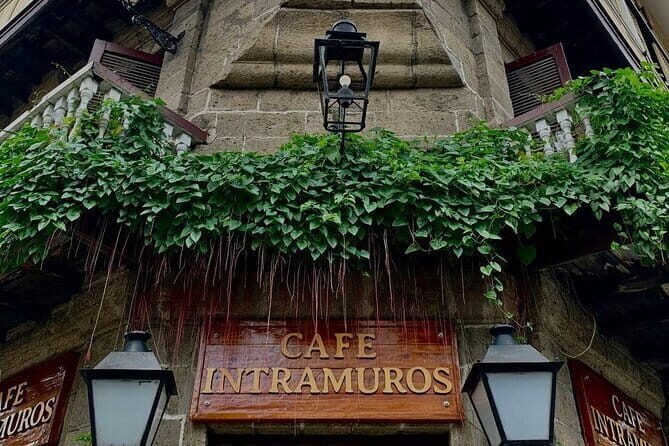
Spare your morning for stone churches and big views. This full-day Manila to Taal Volcano trip mixes walkable Spanish-era sights with Tagaytay highlands and a boat ride on Taal Lake. What I like most is the contrast: Intramuros history first, then the drama of Taal Volcano from water level.
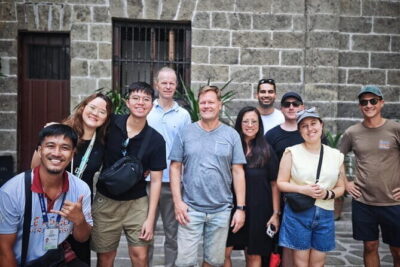
You’ll also get a guide-led story that doesn’t stay stuck in facts—Seana, in particular, is noted for explaining history in a way that sticks, and for sharing local bites like fruits and other foods along the way. That makes the long day feel less like a checklist.
One consideration: you’ll be moving for about 8 to 10 hours, and it depends on weather. If conditions are poor, the volcano plan can change, so come ready for adjustments.
In This Review
- Key things to know before you go
- From Intramuros to Tagaytay: how this full-day schedule really flows
- San Agustin Church (Immaculate Conception Parish): old-world stone, surprisingly vivid interior
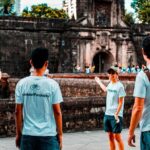
- Baluarte de San Diego & Fort Santiago: the shoreline defenses that shaped Manila
- Paco Park & Manila Cathedral: from colonial burial ground to public space
- Tagaytay viewpoints and People’s Park in the Sky: where you check the volcano from above
- Taal Lake cruise: the volcano finally makes sense from the water
- Transport, timing, and what to pack for a 8–10 hour day
- Price and value: why $180 can work (if you care about both culture and the lake)
- Weather reality: why “good weather required” is part of the deal
- Who this tour suits best (and who might prefer something else)
- Quick decision: should you book this one?
- FAQ
- What time does the tour start?
- How long is the tour?
- Is pickup included?
- What’s included in the price?
- Is lunch included?
- How many people are in the group?
- What happens if the weather is bad?
Key things to know before you go
- A small group (up to 15): easier pacing for stops and questions.
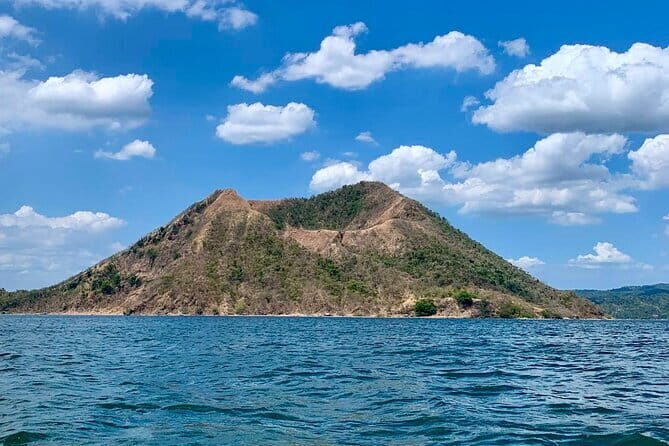
- Boat time on Taal Lake: the volcano looks very different from the water.
- Intramuros highlights in one run: San Agustin, Fort Santiago, and Manila Cathedral without you having to plan connections.
- Tagaytay viewpoint break: a short breather before you head into the lake area.
- Included admissions and cruise: fewer ticket headaches during the day.
- Seana’s food-and-history approach: you’ll hear the stories and likely taste a few local treats.
From Intramuros to Tagaytay: how this full-day schedule really flows
This is a one-day, long-haul combo: Manila in the morning, then south to the Tagaytay area for views, and finally Taal Volcano by way of Taal Lake. The day starts at 7:00 am, and the schedule is built around travel time, so the tour feels like a “real day out,” not a quick hit-and-run.
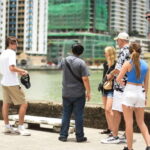
What helps is the structure. You get multiple short stops (around 30 minutes each), which keeps you out of a chair too long. The vehicle is air-conditioned, and you also get pickup offered, so you’re not piecing together rides on your own. If you’ve ever tried to self-plan Intramuros plus a volcano day, you know how quickly that turns into spreadsheet stress.
The trade-off is simple: you’ll want comfortable shoes and patience. This isn’t a slow museum crawl. It’s a focused day where you’ll see a lot, learn a lot, and still have time to enjoy the moment at the lake.
You can also read our reviews of more historical tours in Manila


San Agustin Church (Immaculate Conception Parish): old-world stone, surprisingly vivid interior
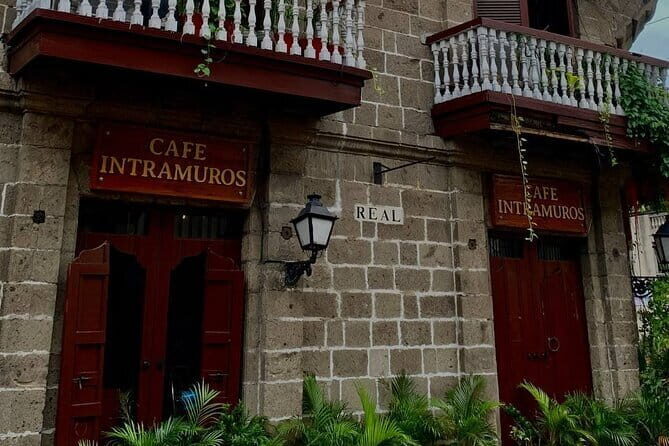
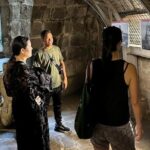
San Agustin Church dates to the Spanish colonial era, built between 1587 and 1606, which is why it’s often described as the oldest church in the Philippines. On the outside, the church can look heavy and plain. Then you step inside and the vibe changes—this is where the “veneer” becomes a clue that something more detailed is hiding beneath.
You’re getting about 30 minutes, which is enough to take in the main features without rushing yourself. The value here isn’t just the age—it’s how the church shows you Manila’s role as a crossroads. Even if you’re not a big architecture person, you’ll probably appreciate how much care went into building a place intended to last.
Practical tip: bring a layer you can handle indoors. Churches can feel cooler than the street, and a 30-minute stop can turn chilly fast.
Baluarte de San Diego & Fort Santiago: the shoreline defenses that shaped Manila
Next up is the defensive story of Intramuros.
At Baluarte de San Diego, you’re looking at a fortification connected to the Spanish-era layout of Manila’s southern edge. The fort you see here dates to 1586–1587, and it’s associated with Jesuit priest and architect Antonio Sedeo. There’s also mention of a roundabout pinnacle intended to protect the area—essentially, the architecture is doing a job: controlling access and defending the bayside perimeter.
Then you move to Fort Santiago, a key citadel in Intramuros. It was constructed by the Spanish in 1571 and served as the Philippine colonial government’s headquarters. That means this spot isn’t only about walls and guns—it’s about power, administration, and what life in colonial Manila looked like.
Why I think this pair works: Baluarte de San Diego gives you the “why” of the coastline defenses, while Fort Santiago gives you the “who and how” of the government side. Together, they turn Intramuros from a pretty old neighborhood into a place with clear purpose.
Possible drawback: these areas are more about ruins and structure than about hands-on displays, so if you only like museums where you can touch things, you might want extra time in the next stops to balance the feel of the day.
Paco Park & Manila Cathedral: from colonial burial ground to public space
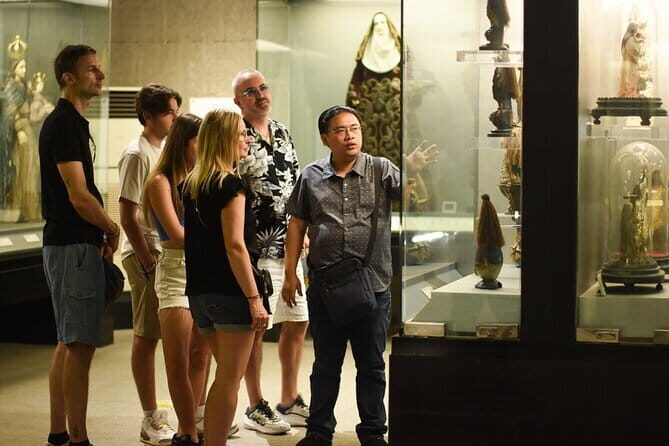
Paco Park starts as a Spanish colonial cemetery for well-off Spanish families. Over time, it became something else: a public park space where people can stroll and pause. That transformation is part of what makes the stop interesting. You’re not only seeing history; you’re seeing how cities re-use space as society changes.
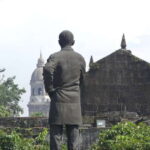
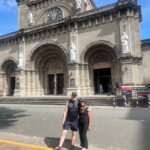
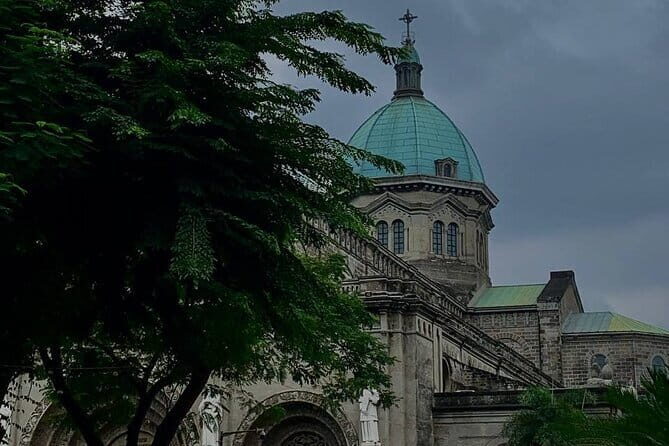
After that, you’ll head to Manila Cathedral, the main church connected with important holy places across the archipelago. It has roots going back to 1581, when it was decided to create a House of God for the region’s religious life. From a visitor’s perspective, it’s a classic anchor stop: you get context, scale, and the feeling of a city center that has mattered for centuries.
This section is where the tour feels most “Manila.” It’s not only Spanish-era structures; it’s the lived reality of a functioning city. You’ll likely feel the contrast between quiet church interiors and the movement outside.
Practical tip: if you’re into photography, keep your camera ready at both stops. The light can change quickly from street to interior.
Tagaytay viewpoints and People’s Park in the Sky: where you check the volcano from above
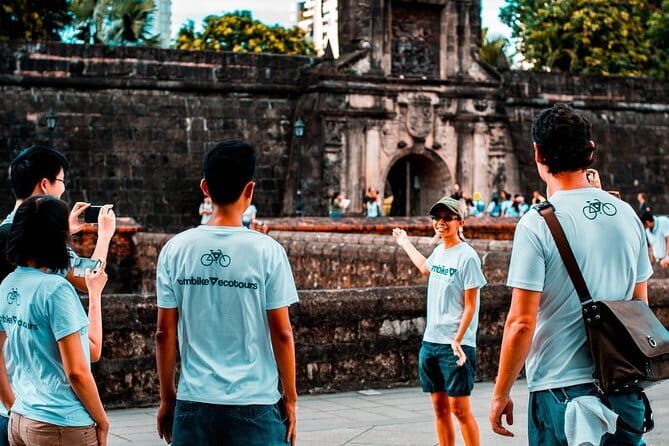
Once you leave Manila, the day shifts gears toward Tagaytay. The schedule includes a chance to see the highland city and relax for a bit—an important moment if you’ve been walking since morning. Think of it as the day’s breathing space before you go back to the volcano-focused part.
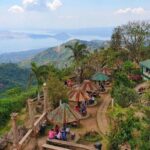
Then comes People’s Park in the Sky, on Mount Sungay at about 709 meters above sea level. It’s positioned on the northern edge of the Taal Caldera. The important part isn’t the math—it’s the viewpoint. This is the kind of stop where you look at the volcano and your brain starts trying to map the shape of everything you’ve been learning.
A note on expectations: People’s Park is a viewpoint. You’re not staying there for a full hike. You’re getting the visual story—how Taal sits inside a caldera, how the lake and rim relate, and why the volcano feels so close to everything around it.
If the weather is good, you’ll likely get clearer views. If it’s cloudy or misty, you’ll still see the sense of place, but details may be softer. This is why weather matters for this tour.
A few more Manila tours and experiences worth a look

Taal Lake cruise: the volcano finally makes sense from the water
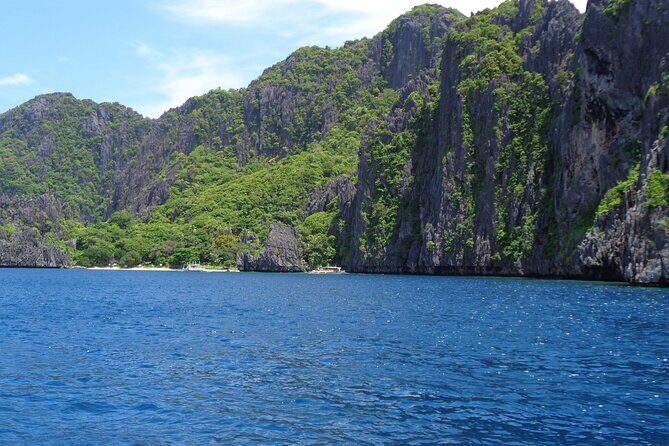
The highlight for many people is the Taal Lake boat cruise. The lake is in a volcanic caldera, which means you’re not just looking at a pretty water surface. You’re seeing a landscape shaped by a system of volcanic forces—lava and collapse patterns over time.
The cruise is about 30 minutes, long enough to get a close-up perspective and feel like you’re partway onto the volcano’s stage. From the water, the scale can surprise you. A volcano view from a distance can look like a postcard. From Taal Lake, it tends to feel more real and immediate—like you’re standing closer to the story rather than studying it from far away.
If you love photos, this is the best time of day to aim for them. Light can be tricky depending on the day, but the vantage is so unique that you’ll usually come away with at least a few keepers.
Important practical point: wear shoes that handle uneven or wet ground around boat access areas. The data doesn’t spell out footwear rules, so I’m keeping it general—but water-based segments usually reward sensible footwear.
Transport, timing, and what to pack for a 8–10 hour day

A day like this works because it’s organized and scheduled tightly. It also means you’ll spend more time in transit than you might like. That’s why the 8 to 10 hours timeframe matters. It includes pickup and drop-off travel between stops, so plan for a full day where meals happen on your own schedule.
Lunch isn’t included, so you’ll want to eat before you set off if possible, or be ready to buy food during a break window (the tour doesn’t list a lunch stop). If you’re the type who tends to get grumpy when hungry, pack a snack in your day bag—something easy to eat while you’re moving between sights.
What I’d pack:
- A light rain layer or umbrella, because weather can shift in this part of the Philippines.
- Sunscreen and a hat, since you’ll be exposed during viewpoint time.
- A refillable water bottle.
- Power bank if you’re filming and taking lots of photos.
On group size: with up to 15 travelers, you’re more likely to get quick help from the guide when you need it, and the schedule won’t feel like a big bus tour where everyone’s lost in the crowd.
Price and value: why $180 can work (if you care about both culture and the lake)
At $180 per person, this tour isn’t a budget “hop-on, hop-off” ride. But it can be fair value when you add up what you’d otherwise have to organize yourself.
Here’s what helps the price feel reasonable:
- Pickup and an air-conditioned vehicle
- Entry/admission included for multiple major stops (San Agustin, Baluarte de San Diego, Fort Santiago, Manila Cathedral)
- Taal Volcano cruise included
- Guide tip/gratuities included
When those are bundled, you’re paying for convenience and structure. The trade-off is that you’re committing to the whole day, including the travel time and the fact that you don’t get a lunch included.
If you’re someone who wants to see Manila’s major historic sites plus Taal Lake without hiring separate guides for each region, you’ll probably feel good about the math.
If you only want the volcano and don’t care about Intramuros church stops, then this price might feel steep for the portion you’ll actually enjoy.
Weather reality: why “good weather required” is part of the deal
This tour explicitly depends on good weather. That’s not just fine print. It’s the difference between a cruise that feels spectacular versus one that gets altered or canceled.
The good news: if it’s canceled due to poor weather, you’ll be offered a different date or a full refund. And the day-to-day flexibility tends to matter here. One of the guide notes in the reviews points out that even when it rained, the guide and driver still made sure the day worked well, which is exactly what you want to hear from people running the schedule.
My advice: dress for variable weather. Don’t go in expecting perfect conditions; go in expecting a plan adjustment.
Who this tour suits best (and who might prefer something else)
You’ll likely love this tour if you:
- Want a single-day plan that covers both Manila history and Taal views.
- Appreciate guided context, not just a list of places.
- Enjoy the contrast between architecture, city centers, and natural drama.
- Prefer a smaller group setting (up to 15) rather than a huge coach.
You might reconsider if you:
- Hate long days or lots of transit.
- Only want nature and not the Intramuros church/fort stops.
- Need lunch provided as part of the package (since lunch isn’t included).
One more match note: the reviews highlight that the guide doesn’t just talk history—Seana is credited with explaining foods and showing local tastes like fruits and other snacks. If you like travel days that include small cultural food moments, this tour fits that style.
Quick decision: should you book this one?
If you want Manila’s big historic anchors and a real Taal Lake perspective in the same day, this tour is a strong choice. The combination of Intramuros sites, Tagaytay viewpoint time, and an included boat cruise gives you a complete arc rather than scattered stops.
I’d book it if:
- You can handle an early start and a full 8–10 hours.
- You’re flexible with weather.
- You value included admissions and cruise, so you’re not arranging everything yourself.
I’d pass or look for a narrower tour if:
- You only care about one half of the itinerary.
- You’re not into church/fort history and would rather spend your time elsewhere.
If you do book, aim for comfortable shoes, carry your own lunch plan, and give yourself permission to enjoy the views when they happen. The volcano moment is the kind of memory that makes the long day feel worth it.
FAQ
What time does the tour start?
The start time is 7:00 am.
How long is the tour?
It runs 8 to 10 hours approximately, and the total duration includes travel time for pickup and drop-off.
Is pickup included?
Pickup is offered, and the tour is set up with transportation between destinations in an air-conditioned vehicle.
What’s included in the price?
Included are all fees and taxes, admission tickets for listed stops (including San Agustin Church, Baluarte de San Diego, Fort Santiago, Manila Cathedral, and the Taal Volcano cruise), plus guide gratuities.
Is lunch included?
No, lunch is not included.
How many people are in the group?
The tour has a maximum of 15 travelers.
What happens if the weather is bad?
This experience requires good weather. If canceled due to poor weather, you’ll be offered a different date or a full refund. You can also cancel for a full refund up to 24 hours before the start time.