REVIEW · MANILA
Manila: Binondo Chinatown Food Tour with Free Food Samples
Book on GetYourGuide →Operated by Juana Travel & Tours · Bookable on GetYourGuide
Chinatown in Manila has a way of grabbing you fast. This Binondo walking tour is built around the foods you’d usually skip, with free samples and a guide who puts names and stories to what you’re eating. I especially like the focus on real Chinatown staples like siopao and dim sum, plus the way you get context for places like Ongpin Street without feeling lost. The one drawback is simple: it’s a full walking tour, and it’s not set up for wheelchair users.
You’ll start at Minor Basilica and National Shrine of Saint Lorenzo Ruiz (Binondo Church) and work your way through the neighborhood for about 3 hours, eating along the way. I like that this is a private group format, so the pace feels more like a local hangout than a rushed cattle run. Just plan for comfortable shoes, water, and the fact that the meeting point is also the finish point.
In This Review
- Key things I’d prioritize on this tour
- Meeting at Binondo Church: the best way to start a food walk
- The Binondo context: oldest Chinatown, practical takeaways
- Ongpin Street: where the snacks do the explaining
- Plaza San Lorenzo Ruiz: landmark stops that don’t feel like filler
- Dim sum and siopao samples: the flavors you can actually learn
- Sweet pastries: how the tour balances the meal
- The guide matters: Jane’s kind of storytelling pace
- Private group feel: why the pace is easier to enjoy
- What to bring (so the walking doesn’t wear you down)
- Price and value: is $80 worth it for a 3-hour walk?
- Who this tour suits best
- Should you book this Binondo Chinatown Food Tour?
- FAQ
- Where does the tour start and end?
- How long is the tour?
- What’s included in the price?
- Do I get to choose between languages?
- Is this a private tour or a group tour?
- Is the tour wheelchair accessible?
- What should I bring?
- Is tipping included?
Key things I’d prioritize on this tour
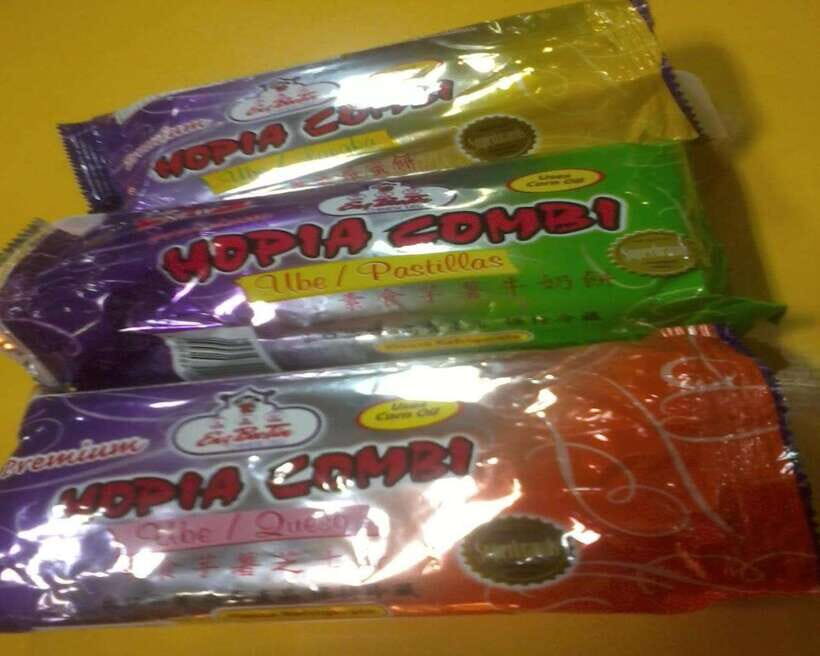
- Start at Binondo Church so the food walk has real place-based meaning from the first minute
- Ongpin Street street-level eating where snacks and storefronts tell you what locals actually order
- Dim sum and siopao sampling that makes Chinatown flavors easier to recognize
- Plaza San Lorenzo Ruiz stops that tie landmarks to the people and traditions behind the food
- Free samples at multiple stops so you can compare flavors without committing to full dishes
- English or Tagalog guidance that helps you understand what you’re tasting as you go
Meeting at Binondo Church: the best way to start a food walk
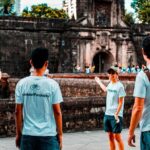
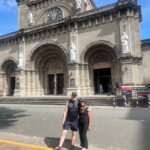
The tour starts at the Minor Basilica and National Shrine of Saint Lorenzo Ruiz, better known as Binondo Church. I like this choice because it gives you something to hold onto while you wander: a clear anchor point and a reason the neighborhood feels the way it does.
From there, your guide sets the tone for what you’re about to eat. You’ll get stories about the area and the kind of history that sits behind everyday meals. It’s not just facts for trivia night. It helps you understand why certain foods show up in Chinatown and why particular streets feel like food corridors.
This is also where you’ll mentally switch from sightseeing mode to appetite mode. You’re not trying to memorize a map. You’re preparing for taste, small talk, and short, consistent stops where you can sample and then move on.
You can also read our reviews of more food & drink experiences in Manila
The Binondo context: oldest Chinatown, practical takeaways
Binondo is often described as the world’s oldest Chinatown, established in 1594. You don’t need to recite the year to appreciate what that means for your visit. Older communities tend to build food traditions that are stable, repeatable, and familiar to generations of families.
Here’s what that turns into on the ground: you’re more likely to see foods that still have everyday purpose, not just “tourist versions.” That matters on a short tour, because you’re only out there for 3 hours. A focused route beats wandering aimlessly, especially when the streets are crowded and signage isn’t always in your language.
Ongpin Street: where the snacks do the explaining
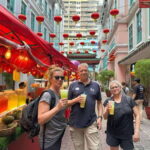
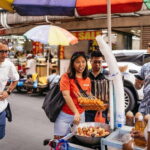
As you move through the area, Ongpin Street is one of the key corridors you’ll spend time around. This is the kind of place where eating is part of the rhythm of the street. You’ll get to see (and taste) how the neighborhood layers sweet and savory through the day.
What makes this segment valuable is the order of operations. You don’t just get food dropped in front of you. Your guide helps connect the dots between what you see—stalls, shopfronts, and street-level options—and what you’re tasting.
You’ll also notice how Chinatown food habits work in layers. You might start with something savory and dough-forward, then shift toward flavors that are lighter or sweeter. That pacing is part of what makes the tour feel satisfying rather than chaotic.
One small consideration: the streets are busy, and you’ll be walking throughout. If you’re the type who needs frequent breaks, plan extra water breaks on your own between stops.
Plaza San Lorenzo Ruiz: landmark stops that don’t feel like filler
You’ll also visit Plaza San Lorenzo Ruiz along the way. A lot of food tours toss in landmarks as quick photo stops. This one uses landmarks as context points, so they feel connected to the food rather than separate from it.
I like this approach because it turns the walk into something more than a snack scavenger hunt. When you’re told why a place matters and how people used to gather there, you can better understand the “why” behind the neighborhood’s food culture.
And since the tour includes guided sightseeing alongside food tasting, Plaza San Lorenzo Ruiz becomes a reset moment: you stop, you look, you listen, and then you head back into the food flow with a clearer sense of place.
Dim sum and siopao samples: the flavors you can actually learn
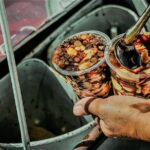
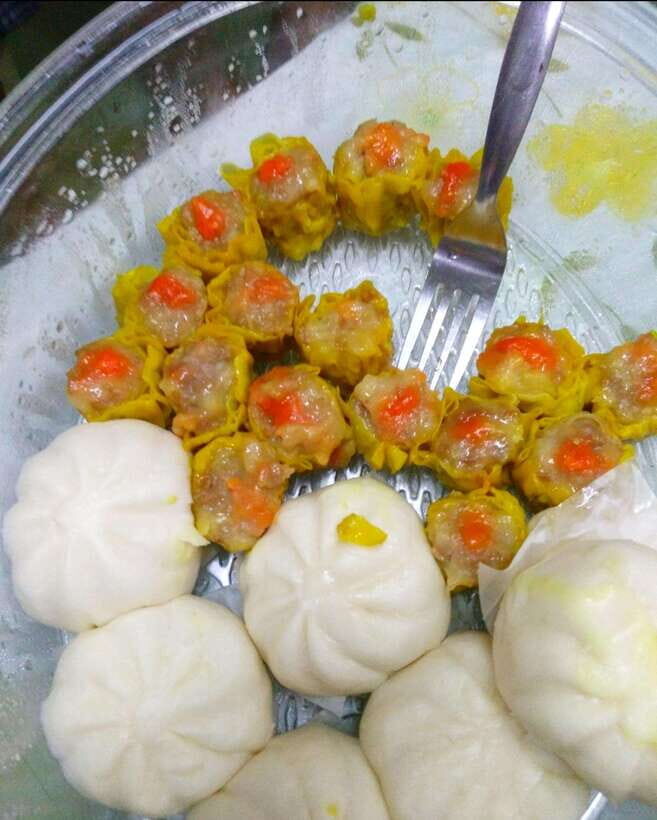
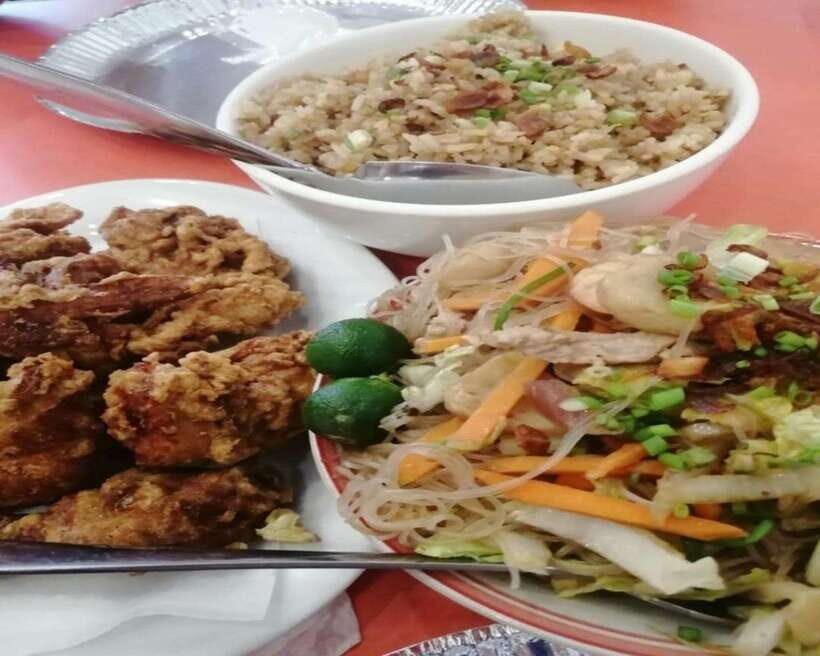
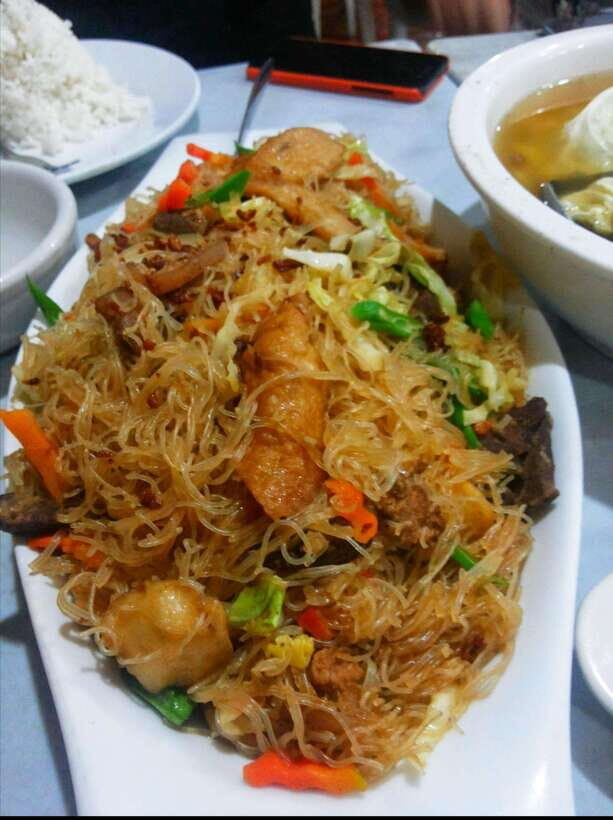
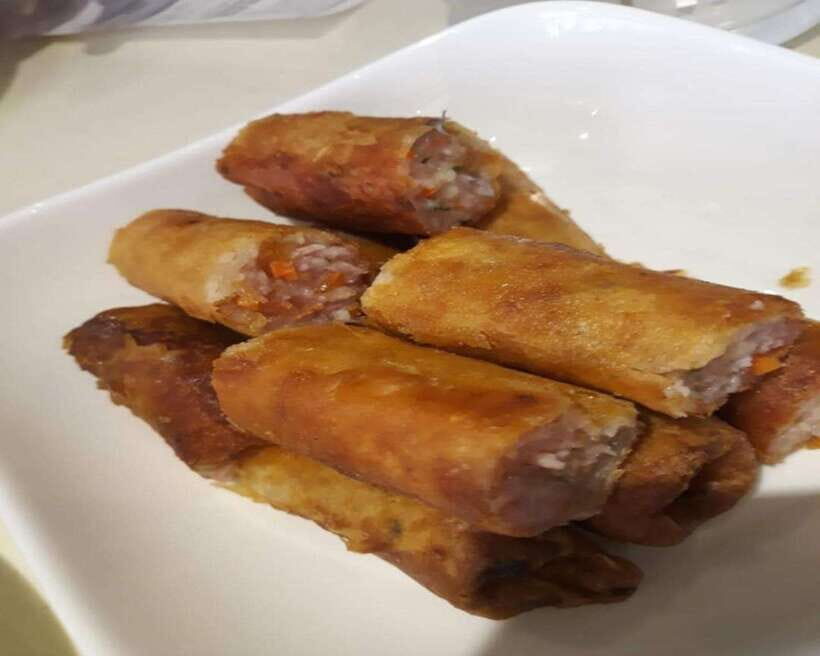
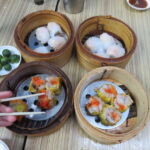
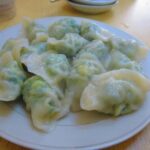
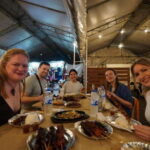
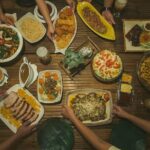
If you want the core of Chinatown in one concentrated experience, this tour leans into the right categories. You’ll get samples that range from savory dim sum to other beloved staples. The standout mentioned in the reviews is siopao, and the comments describe the experience as especially memorable.
Here’s why that matters for you: these foods are more than snacks. They’re how you learn what “Chinatown taste” means in a practical, repeatable way.
- Dim sum gives you a sense of how sauces, fillings, and steamed textures work together
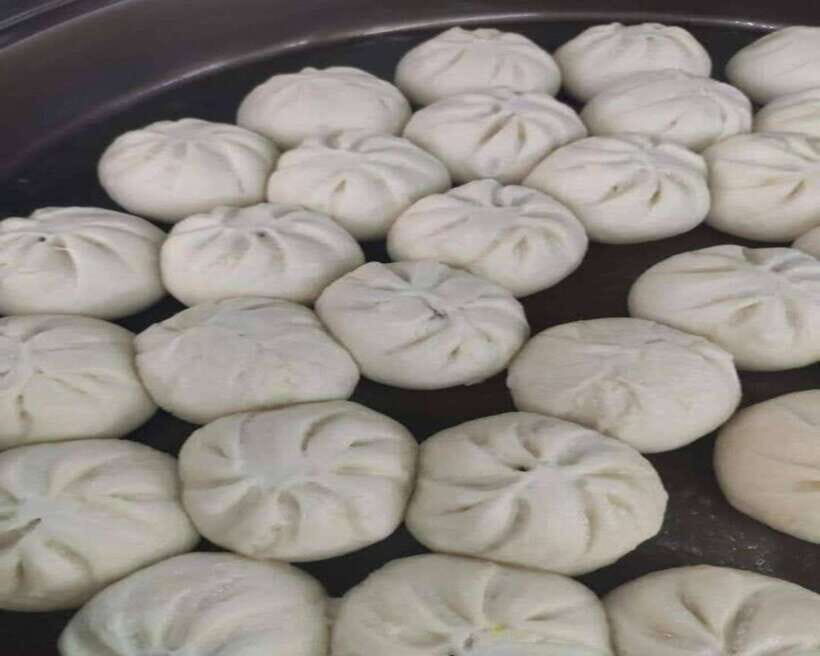
- Siopao-style foods let you connect dough, comfort, and savory filling in one bite
- Stops for both savory and sweet keep you from getting stuck in one flavor zone
Because the tour includes free food samples at multiple stops, you’re not gambling on one full dish that might not match your preferences. You can compare, adjust your expectations, and leave with a better sense of what you’d want to eat again on your own.
A few more Manila tours and experiences worth a look
Sweet pastries: how the tour balances the meal
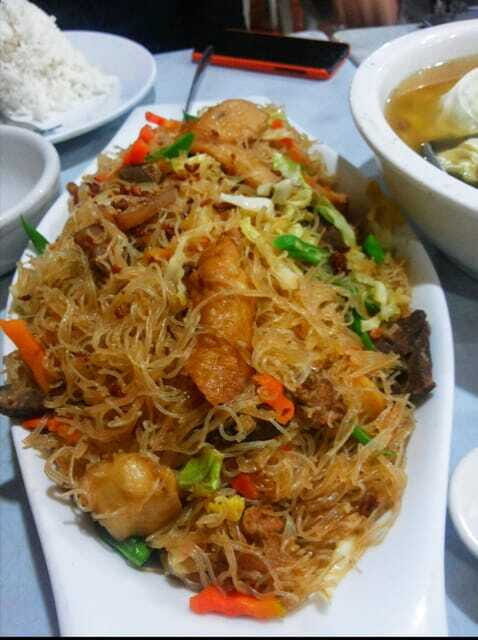
Most people think of Chinatown food as all savory, until they try the desserts. This tour makes room for the sweet side, including traditional pastries and other dessert-style bites.
I like the balance because it mirrors how people actually eat through the day: snacks and meals aren’t locked into one category. Once you’ve tasted the savory highlights, the sweet stops feel like a natural payoff instead of an afterthought.
And because you’re guided, you’re more likely to understand what makes the sweets different. Instead of just thinking it’s sugary, you’ll have a sense of texture, flavor direction, and why locals choose them.
The guide matters: Jane’s kind of storytelling pace
Several reviews call out the guide by name, including Jane (also spelled similarly in one review). The common thread is that the guide wasn’t just reading a script. People praised the way she explained the area and the foods, with stories that made the tour feel coherent.
This matters more than it sounds. A food tour without good guidance turns into random eating. With good guidance, each stop becomes a little lesson you’ll remember later when you’re walking on your own.
The tour also offers English and Tagalog. If you speak only English, you’re covered. If you know a bit of Tagalog, it can add extra texture to the explanations and help you follow conversations around you.
Private group feel: why the pace is easier to enjoy
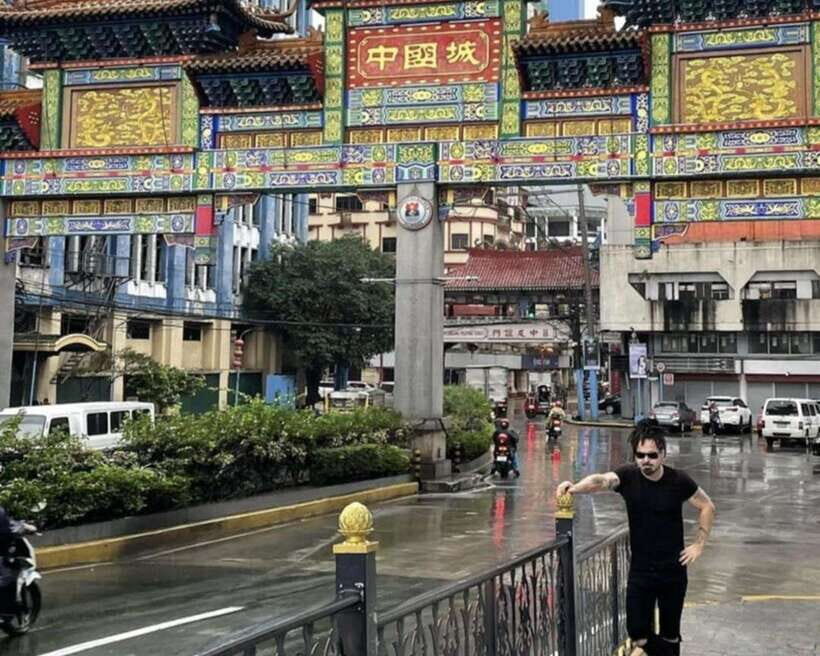
This is listed as a private group. That can change the experience in a few ways.
First, you’re not constantly waiting for other people to catch up. Second, questions are easier to ask without interrupting a big moving group. Third, you can usually match the pace to your comfort level better than on large group tours.
I also like that it’s short: 3 hours. For a neighborhood like Binondo, where you could otherwise spend half a day just trying to find places, the time limit keeps it focused. You leave having eaten and learned, not exhausted and overfull.
What to bring (so the walking doesn’t wear you down)
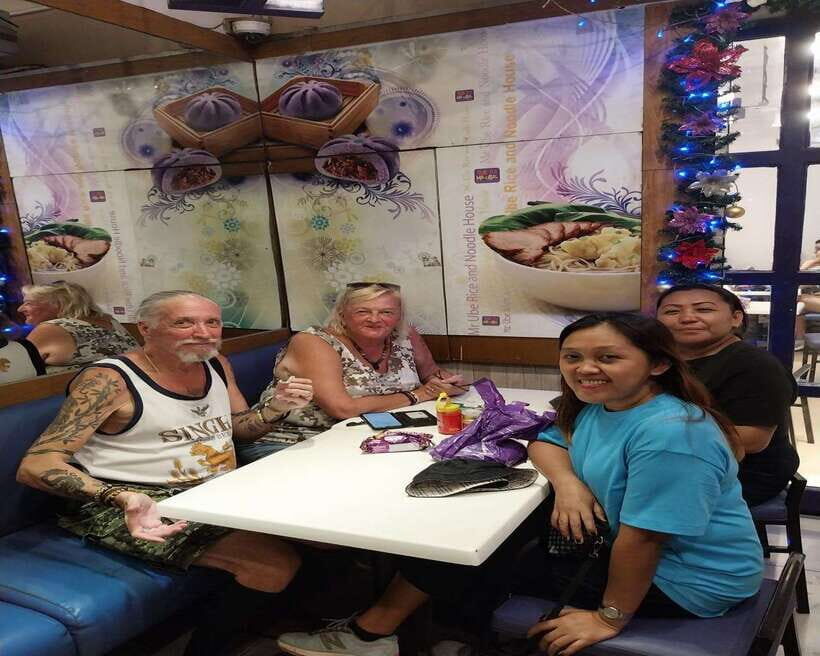
This tour is built around staying on your feet. The practical recommendations are simple and worth taking seriously:
- Comfortable shoes you can walk in for the full 3 hours
- A camera if you want to capture streets and landmark moments
- Water since you’ll be moving in a city neighborhood setting
Also, if you’re sensitive to strong smells or crowded sidewalks, keep that in mind. Food walks can be intense in the best way, but you’ll feel the energy close-up.
Price and value: is $80 worth it for a 3-hour walk?
At $80 per person for a 3-hour guided walking tour with free food samples, the value comes from three things.
First, you’re paying for organization. That’s the difference between wandering Binondo on your own and getting a structured path through the right streets and landmarks. Second, you’re paying for guidance that helps you understand what you’re tasting, not just where to buy it. Third, the free samples reduce the risk factor. You can try multiple items instead of committing to one expensive meal and hoping you like it.
Now, here’s the honest trade-off: if you’re the kind of eater who loves to browse menus slowly and spend money on full portions, you may feel the tour is only scratching the surface. But if your goal is to get a fast, well-guided introduction to Chinatown food culture with minimal guesswork, $80 can be a pretty fair way to do it.
Who this tour suits best
This is a great fit if you want:
- A short, guided way to experience Binondo’s Chinatown food culture
- A mix of savory and sweet bites, including dim sum-style foods and siopao
- A guide who explains history and stories as you walk
- A private-group pace in a busy neighborhood
It’s less ideal if:
- You need wheelchair-friendly accessibility (it’s not suitable for wheelchair users)
- You dislike walking for the entire tour duration
- You only want to do full restaurant meals rather than sampled bites
Should you book this Binondo Chinatown Food Tour?
If you like your food travel with structure, context, and a clear route, I think you’ll enjoy this. The best reasons to book are the combination of free food samples across multiple stops, the strong focus on iconic Chinatown foods, and the guide-led storytelling that makes landmarks like Binondo Church and Ongpin Street feel connected to what you eat.
If you prefer total freedom over any schedule, then you might find it too guided. But for most people doing Manila for the first time, or anyone who wants a smart introduction to Binondo without menu confusion, this is an easy yes.
FAQ
Where does the tour start and end?
The tour meets at Minor Basilica and National Shrine of Saint Lorenzo Ruiz (Binondo Church) and returns there at the end.
How long is the tour?
The tour lasts 3 hours.
What’s included in the price?
The tour includes free food samples, a guided walking tour, and stops at historical landmarks and popular food stalls or restaurants.
Do I get to choose between languages?
You’ll have a live tour guide in English and Tagalog.
Is this a private tour or a group tour?
It’s a private group.
Is the tour wheelchair accessible?
No. It’s not suitable for wheelchair users.
What should I bring?
Bring comfortable shoes, a camera, and water.
Is tipping included?
Tip or gratuity is not included.