
REVIEW · LUZON
A Step Back in Time: Intramuros Walking Tour
Book on Viator →Operated by Let's Go Intramuros · Bookable on Viator
A Walk Through Walls With Stories
Intramuros has a way of making history feel close. This 3-hour walking tour through Old Manila turns big names and dates into real streets, forts, and churches. Two things I especially like: the Department of Tourism-accredited storytelling led by guides such as Russell Leyco, and the smart value of admission fees built into the main stops.
I also like that the route mixes famous landmarks with short, high-impact stops—so you’re not stuck in one place too long. One consideration: it’s still a walking tour with multiple stops over about 3 hours, so you’ll want comfortable shoes and a steady pace.
In This Review
- Key Highlights I Think You’ll Care About
- Fort Santiago First Stop: Dungeons, Legos, and Rizal’s Context
- Rizal Shrine: A 20-Minute Museum Stop That Changes the Tone
- Manila Cathedral: The Mother Church Stop (Quick, But Useful)
- Memorare Manila Monument: Japan Invasion and the Manila Massacre, Human Scale
- San Agustin Church: UNESCO Baroque, Inside the Walking Route
- Casa Manila Museum: Ending With a Time-Capsule Feel
- Price and Logistics: Getting More Than You Pay For
- What You’ll Actually Learn (Without Feeling Like School)
- Who Should Book This Intramuros Walking Tour
- Should You Book This Intramuros Walking Tour?
- FAQ
- How long is the Intramuros walking tour?
- What does the tour cost?
- Is the tour ticket mobile?
- What are the main stops during the tour?
- Are admission fees included in the price?
- Is food or drink included?
- Where does the tour start and end?
Key Highlights I Think You’ll Care About
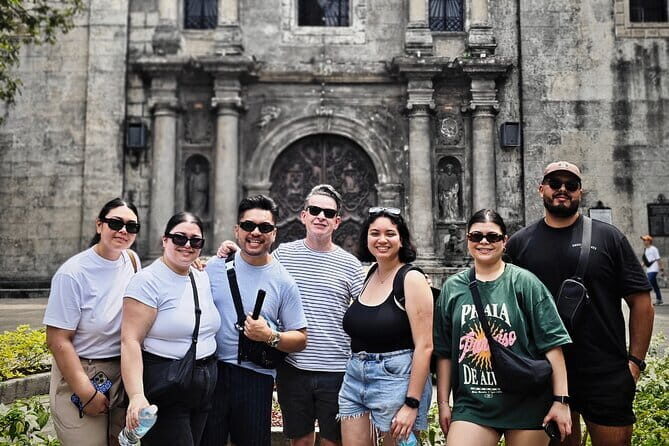
- Small group size (max 30) keeps the pace human and questions easier.
- Fort Santiago + Rizal Shrine in one block gives you the national-hero context right where the story happened.
- Manila Cathedral and San Agustin Church are quick, meaningful stops that help you understand Manila’s religious heart.
- Memorare Manila Monument adds a harder chapter without dragging the whole tour down.
- Casa Manila Museum is a final time-travel-style indoor stop to reset your brain after Fort + churches.
- Mobile ticket and a clear start/end point make it easy to find your way.
Fort Santiago First Stop: Dungeons, Legos, and Rizal’s Context

You start at United Philippine Lines One Fort Santiago 1, right in the Intramuros area. The first stop is Fort Santiago, and it’s the only one that really takes its time—about an hour—because this is where the tour earns its name: a step back in time that starts with walls you can actually touch.
Fort Santiago is packed with different “layers” of history. Your guide focuses on the stories behind the place, then helps you connect what you see to larger Philippine events. Inside, you’ll have time to explore attractions such as the dungeon and the Lego museum (yes, that one), plus other areas within the fort. That mix is more than just a gimmick. It helps the tour keep moving: the dungeon gets you thinking about hardship and power, while lighter spots like the Lego museum make the overall experience feel less like a lecture and more like a day you can enjoy.
The biggest win at Fort Santiago is how the guide frames what you’re looking at. You’re not just ticking off sites. You’re learning how the fort fit into the story of Manila—who held power there, how conflict played out, and why later events shaped national identity.
Practical note: since this stop includes admission, you’re covered here on cost. That alone makes the $25 price feel less like a gamble and more like a tidy package.
You can also read our reviews of more walking tours in Luzon


Rizal Shrine: A 20-Minute Museum Stop That Changes the Tone
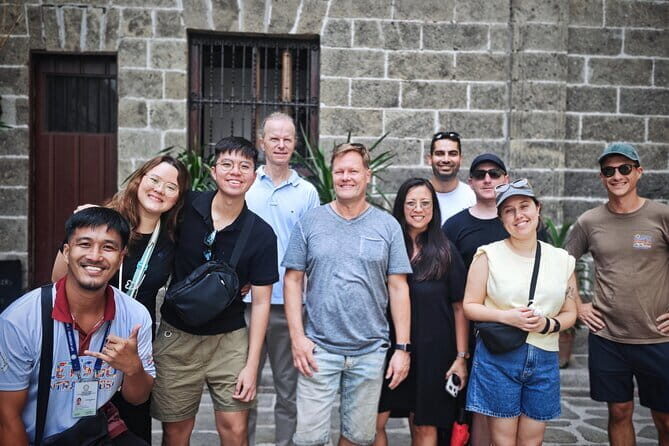
After Fort Santiago, the next stop is the Rizal Shrine. It’s only about 20 minutes, and the admission is free. Still, it’s one of the most important segments of the walk because it shifts the story from “place” to “person.”
Rizal Shrine is dedicated to Dr. Jose Rizal, the Philippines’ national hero. The museum displays personal items, photographs, and artwork connected to his life and writings, and it explains his role in the fight for independence. Most importantly, you learn about his time at the fort before his execution—and how his death helped inspire the Philippine revolution.
That’s a lot for a short stop, but the structure of the tour works in your favor. You come from Fort Santiago’s heavy atmosphere, then you get Rizal’s context right there, without having to hunt for additional museums on your own later.
If you’re short on time in Manila: don’t skip this. A lot of Intramuros tours include photos outside sites. This one builds a meaningful interior stop while keeping the total walk to about 3 hours.
Manila Cathedral: The Mother Church Stop (Quick, But Useful)
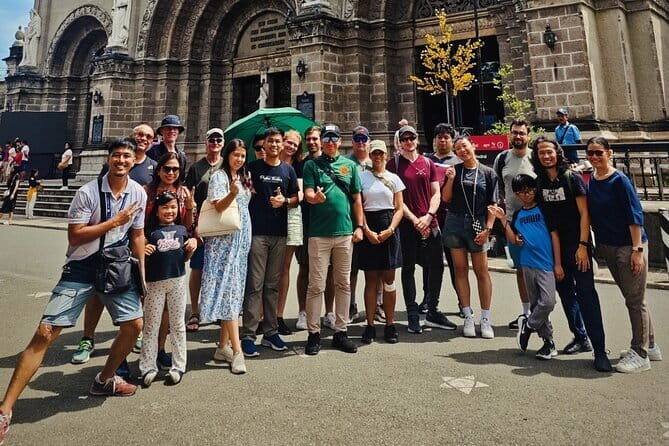
Next up is Manila Cathedral. You’ll spend around 20 minutes, and the stop is free.
This is the tour’s “anchor” moment for understanding how Manila’s identity took shape around faith and community. The guide gives you practical context about the mother church of the Philippines—what it represents historically and spiritually, and why it mattered to the people who lived inside these walls.
Is 20 minutes long enough? It depends on how deep you like to go. But as part of a 3-hour route, it hits a sweet spot. You get the background you’d otherwise miss, and you still have energy left for the more intense parts of the walk.
Small strategy: if churches make you want to slow down, arrive mentally ready to take it in. If you’re more history-first, treat this as a fast orientation point for everything you’ll see next.
Memorare Manila Monument: Japan Invasion and the Manila Massacre, Human Scale

The Memorare Manila Monument is a short stop—about 15 minutes—and it’s free. Still, it’s not filler.
This is where the tour addresses the Japanese invasion and the Manila Massacre. The guide shares stories tied to those events, and the timing matters. You’re between major landmarks now, so your brain is primed to connect the “big museum facts” to what happened to actual people.
I like that the tour doesn’t try to turn this into an all-day tragedy. It treats it as a necessary piece of the broader Intramuros story. You don’t get to choose to live only in the pretty parts of Old Manila. But you do get a clear, respectful way to understand the darker chapters too.
If you prefer gentler pacing, this is one stop you might want to process quietly for a minute or two.
San Agustin Church: UNESCO Baroque, Inside the Walking Route
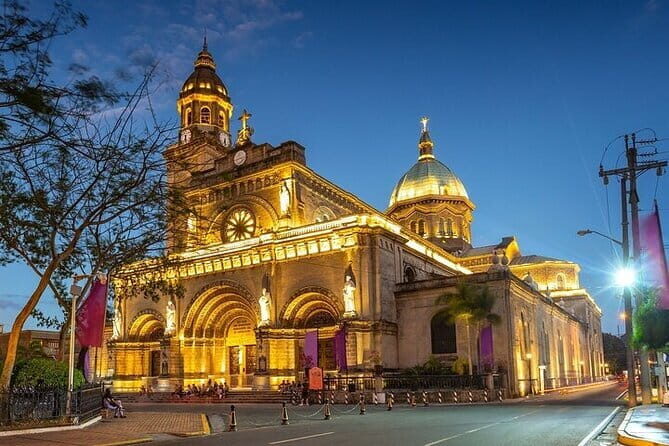
San Agustin Church—more formally, San Agustin Church – Immaculate Conception Parish—is next. This stop runs about 20 minutes and is free.
You’ll visit the UNESCO World Heritage baroque church of San Agustin. The guide focuses on what makes the church important and how it fits into Intramuros life across centuries. Baroque churches can feel overwhelming if you walk in cold. Here, you get enough context to help your eyes do the work.
What I find practical about this stop is that it gives you a visual “reset.” Fort Santiago is walls and built history. Rizal Shrine is a personal story in museum form. Manila Cathedral is spiritual identity. Then San Agustin lets you shift to architecture—shape, style, and atmosphere—without needing extra tickets or a detour.
Tip for photos: plan to take fewer, better shots. With a walking tour timeline, you’ll enjoy it more if you’re not constantly rushing through doors.





Casa Manila Museum: Ending With a Time-Capsule Feel
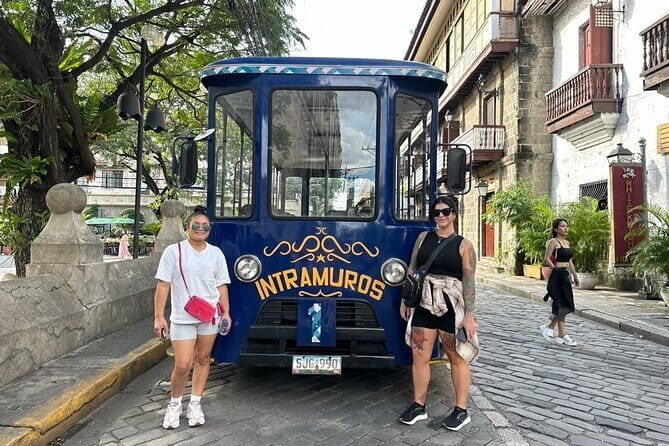
The tour finishes at Casa Manila, with a 20-minute stop. Admission here is included.
Casa Manila Museum is positioned like a time machine. You travel back in time inside the museum and close the loop on everything you’ve been learning during the walk. After the fort, shrines, and churches, you’re ready for something that helps you picture daily life in older Manila.
This ending matters because it’s where your brain organizes the experience. If you only saw monuments and never visited a “lifestyle” space, Intramuros could feel like a set of dramatic backdrops. Casa Manila gives you a calmer way to understand how people lived—so the history lands in a more personal place.
The tour ends at Casa Manila Museum at the Plaza San Luis complex area (General Luna St). This is convenient because you don’t have to figure out your exit from Intramuros right at your last stop.
Price and Logistics: Getting More Than You Pay For
The price is $25.00 per person, and it’s about 3 hours long with a mobile ticket. On average, it’s booked about 18 days in advance, which tells me it’s popular when people plan their Intramuros mornings.
Here’s why it feels like good value: the tour includes a Department of Tourism-accredited guide and admission fees to key sites. Specifically, admission ticket is included at Fort Santiago and Casa Manila. Some other stops are free (Rizal Shrine, Manila Cathedral, Memorare Manila Monument, San Agustin Church), so you’re not paying multiple times just to keep walking.
That matters if you’re traveling with a tight schedule. I don’t like tours where you get “surprise” paid add-ons every 20 minutes. This one keeps the money piece clean.
A couple logistics points you’ll appreciate:
- You start at 9:00 am at the One Fort Santiago meeting point.
- You end at Casa Manila Museum.
- It’s near public transportation.
- Maximum group size is 30 travelers, so it’s not a massive herd.
One more practical thing: food and drink are not included. Plan a snack or plan to eat after. One neat tip you can use is to treat lunch as part of your Intramuros plan—there’s a well-liked place called Barbara’s that people recommend as a great way to end the tour.
And if you’re the type who sweats early: start hydrated. This is a morning walk through dense streets, even if the pace is managed by your guide.
What You’ll Actually Learn (Without Feeling Like School)
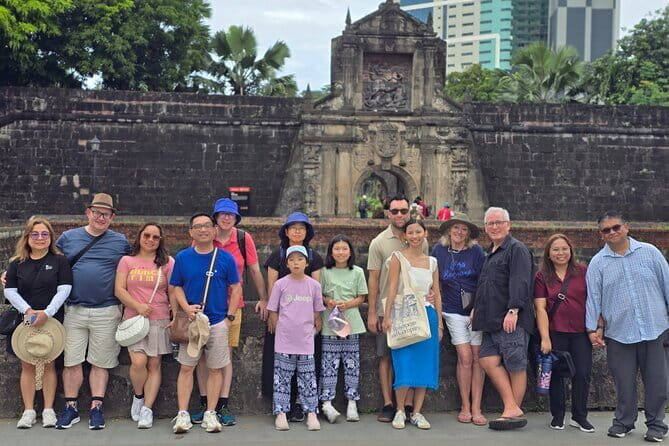
A lot of history tours fail because they only list facts. This one uses the walking layout to create cause-and-effect.
By the time you reach the Rizal Shrine, you understand why the fort matters beyond its walls. By the time you stand at the Memorare Manila Monument, you’ve already built context for why later events shaped Manila’s identity. Then, when you reach San Agustin and Casa Manila, you can see how faith and everyday life lived alongside conflict and change.
The strongest element is that the tour is built around a guide who tells stories. Russell Leyco is named as the Manila storyteller associated with this walk, and other guides like Sir Rasa come up as people who bring history with humor and empathy. I like that approach because it keeps you thinking, not just listening.
Also, the tour’s timing helps. Fort Santiago gets the time it needs. The rest stays focused—enough time to absorb, not enough time to get bored.
Who Should Book This Intramuros Walking Tour
This is a good fit if you:
- Want a structured 3-hour route through the Intramuros highlights without over-planning.
- Like history when it’s presented through stories tied to specific places.
- Prefer something more personal than audio-only self-guided options.
- Want a tour where key admissions are part of the price.
It’s also a smart choice if you’re visiting for the first time and want to get oriented. Intramuros can feel like a maze of walls and churches. This walk gives you a map in your head, not just on your phone.
Should You Book This Intramuros Walking Tour?
If your goal is to understand Intramuros fast—and understand it in a way that feels human—yes, I’d book it.
The $25 cost is fair because the main admissions are handled and you get guided context at every major stop. The itinerary is tight enough to stay interesting, but not so rushed that you’ll miss the meaning.
The only reason I’d hesitate is if you strongly dislike walking tours or you need a lot of extra mobility support. Otherwise, this is the kind of Old Manila experience that makes the city feel less like a postcard and more like a living story.
FAQ
How long is the Intramuros walking tour?
It’s about 3 hours long.
What does the tour cost?
The price is $25.00 per person.
Is the tour ticket mobile?
Yes, the tour uses a mobile ticket.
What are the main stops during the tour?
The route includes Fort Santiago, Rizal Shrine, Manila Cathedral, Memorare Manila Monument, San Agustin Church, and Casa Manila.
Are admission fees included in the price?
Admission fees are included for Fort Santiago and Casa Manila. Some other stops on the route are described as free.
Is food or drink included?
Food and drink are not included.
Where does the tour start and end?
It starts at United Philippine Lines One Fort Santiago 1, Sta. Clara St, Intramuros, and ends at Casa Manila Museum at Plaza San Luis complex, General Luna St, Intramuros.