REVIEW · LUZON
Small-Group Weekend Hiking Tour to Banaue-Ifugao from Manila
Book on Viator →Operated by Uncharted Philippines · Bookable on Viator
Rice terraces pull you into the clouds. This four-day, small-group trek from Manila to Banaue and Ifugao villages turns famous views into real walking, with an expert guide, overnight travel, and a village stay. I especially love the way the terraces reveal themselves step by step, and how the hike links you to Banaue rice terraces culture instead of just stopping for photos. The one real caution: the physical demand is very high, with 6–7 hours of hiking most days and slick spots possible in wet weather.
You’ll also want to be good with basic comfort. The village inn includes running water and communal bathrooms, and you get one breakfast, while most other meals cost extra—so plan your budget and snacks accordingly.
In This Review
- Key points that matter before you go
- A four-day trek that starts with night-bus road time
- Meeting in Manila: Ohayami Trans and a 9:00 pm start
- Tricycle to the Banaue terraces view deck: your first real wow moment
- Hiking from Kinaking to Cambulo: the first Ifugao village leg
- Batad’s amphitheater terraces and the village-inn night
- Morning to Tappiyah waterfalls, then on to Bangaan
- Day four at 3:00 am: getting back fast
- Price and value: what you pay for, and why it adds up
- What’s included vs. what costs extra
- Fitness, gear, and slippery-trail reality
- Guides like Marvin and Jonathan: why the small group helps
- Who this trek is best for (and who should skip it)
- Should you book this Banaue–Ifugao weekend hike?
- FAQ
- How long is the Banaue–Ifugao hiking tour?
- What group size is this tour?
- Is the hiking difficult?
- What kind of accommodation do we get?
- What meals are included in the price?
- Can I cancel and still get a refund?
Key points that matter before you go
- Maximum 7 travelers with a professional guide to keep the pace and route manageable
- Overnight bus from Manila Village accommodation area included, so you lose less daytime hiking window
- Terraces before the trek with a tricycle ride and a viewpoint deck stop in Banaue
- Village inn at Batad with running water and communal bathrooms (simple, not fancy)
- Hard hiking days: steep, uneven terrain, plus extra care if rain makes footing slippery
A four-day trek that starts with night-bus road time
This trip is built around one idea: you’re going to hike in the Ifugao hill country, not just look at it. Your weekend begins in Manila in the evening, then you ride overnight over winding roads. The schedule is a bit aggressive by design, because it lets you wake up in the Banaue area and start moving early the next day.
That rhythm matters. If you’re used to “vacation pacing,” you’ll feel the difference right away. You’ll be trading comfort and extra sleep for time on trails—exactly what you want if your goal is to experience these terraces as living farmland, carved into steep mountainsides over generations.
You can also read our reviews of more hiking tours in Luzon
Meeting in Manila: Ohayami Trans and a 9:00 pm start
Your day one begins at Ohayami Trans (Sampaloc), 9:00 pm. Expect the group to assemble in the evening and then settle in for the bus ride. It’s not door-to-door in the usual hotel sense—hotel pickup and drop-off aren’t included—so you’ll want to be sure you can get to the meeting point without stress.
If you prefer smooth logistics, plan an easy dinner beforehand and keep your essentials for the bus ride in a day bag or top pocket. Once you’re on the move, the trip becomes about hiking time and trail timing.
Tricycle to the Banaue terraces view deck: your first real wow moment
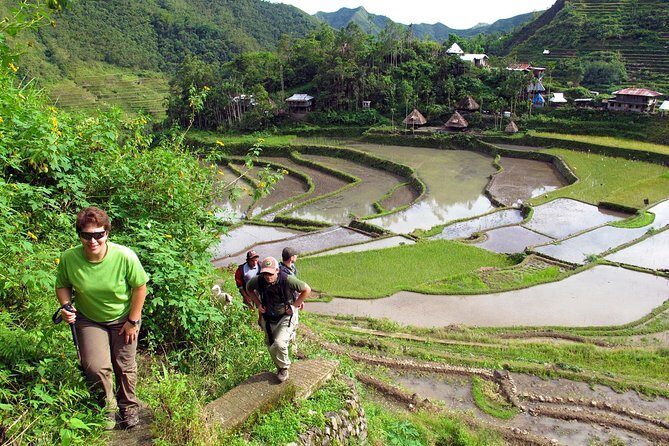
Before the main hiking, you get a short setup day with a tricycle ride to the Banaue rice terraces view deck. Even though it’s brief, it does an important job: it gives you a sense of scale before your feet hit the trail.
From there, the day turns into actual hiking through the Ifugao mountains. You’re walking among the shapes that made Banaue famous—the terraced walls that follow the contours of the hills. The best part is that you’re not just circling viewpoints. You’re starting to move like the locals do, along paths that connect communities.
Hiking from Kinaking to Cambulo: the first Ifugao village leg
Your trek begins near the town of Kinaking, and your first big target is Cambulo. This is the “settle in” hike of the trip, but it’s still serious hiking—plan for about four hours on moderately hilly to steep terrain.
On the way, you’ll pause again at the Banaue terraces view deck. It’s a smart rhythm: you get to reorient, take in the patterns in the terraces, then keep going. By the time you arrive at Cambulo, you’re no longer looking at a single postcard scene. You’re in the middle of the system—terraces, villages, and the people who live with them every day.
Batad’s amphitheater terraces and the village-inn night
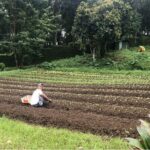
From Cambulo, you hike about three hours to Batad, known for its amphitheater-style rice terraces. This stop is the kind that makes your brain go quiet for a minute. The terraces don’t sit behind a fence—they pull your view across slope after slope, and you feel the effort that must have gone into building and maintaining them.
That afternoon also brings something you won’t get from a quick tour: a proper chance to slow down. The night is spent at a village inn with a spectacular view of the terraces. It’s basic, but it’s real. Running water is available, and bathrooms are communal, so you’re trading luxury for atmosphere—and that exchange is usually worth it for hikers.
One more practical detail: pack for an evening that can feel cool in the highlands. Even if the day is warm, nights in hill areas can be chilly, especially when you’re already tired from hiking.

Morning to Tappiyah waterfalls, then on to Bangaan
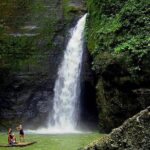
Day three is where the trip flexes its “weekend hike” intensity. You start with a hike of about three hours to visit Tappiyah waterfalls, along with time to explore Batad’s village and terraces.
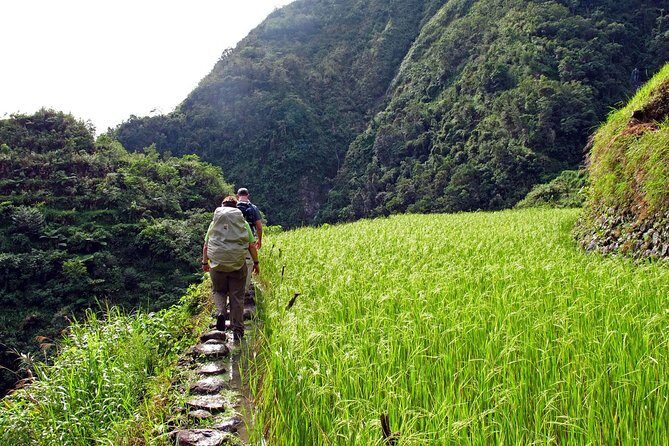
Then after lunch, you continue another hike of about three hours to Bangaan, the final village of the adventure. You’re walking between communities with rice terraces as the backdrop, so the scenery keeps changing. That matters because Ifugao isn’t a single view. It’s a network of slopes and paths.
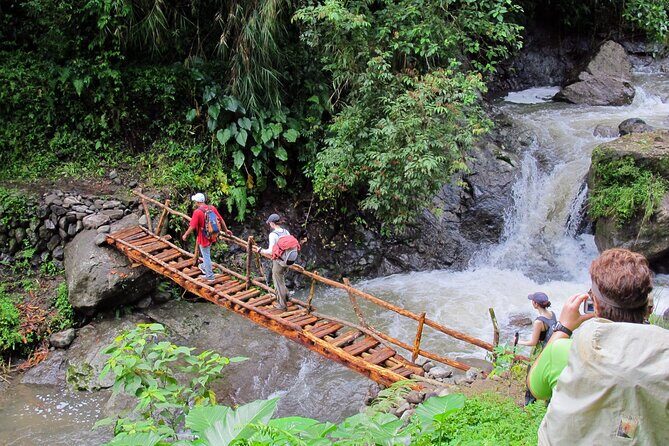
You’ll likely find that the hardest part isn’t always the steepest section. It’s the long stretch of uneven steps where your legs get tired and your attention matters. Go slow, keep your balance, and let the guide set the pace.
Day four at 3:00 am: getting back fast
The trip ends early. Around 3:00 am, you arrive back at the same bus station where the trip started. Then the journey back to Manila begins, and you’re basically trading “sleep in” for getting home after a long trail weekend.
If you’re planning what comes next—like a flight or another tour—keep it flexible. Early mornings like this can throw off your timing, especially after several days of high-intensity hiking.
Price and value: what you pay for, and why it adds up
The price is $270 per person. On paper, that can feel steep if you’re only thinking about the view. But this is not just a scenery stop. You’re paying for a package that includes:
- All land transportation for the duration of the trip
- An overnight bus from Manila area accommodations
- A professional guide
- One night of village accommodation
- Fees associated with the activities
Food is where costs can creep up, because the tour includes one breakfast and leaves the rest as extra. In other words, you get the hard logistics and trail support built in; you handle most meals and personal spending.
For me, the best “value” comes from two things that are hard to DIY:
1) the guide’s pacing and route management in steep terrain
2) the village stay that turns the terraces from a daytime view into an overnight experience
What’s included vs. what costs extra
Here’s the practical breakdown.
Included
- All land transportation during the trip
- One night accommodation in a village inn
- All fees tied to the specified activities
- Professional guide
- Group tour structure
- 1 breakfast
Not included
- Hotel pickup and drop-off
- Most meals and drinks beyond the included breakfast
- Travel insurance
- Personal trekking gear (hiking shoes/boots, backpack, and basics like that)
- Tips are not expected, but appreciated
A small but important tip: if you rely on the included breakfast, treat it like part of your plan. There can be mistakes with inn food orders, so check in and confirm what’s included as soon as you arrive at the inn.
Fitness, gear, and slippery-trail reality
This tour lists the physical demand clearly: very high. Each day involves about six to seven hours of hiking, on moderately hilly to steep terrain. That means you need more than “I can do a long walk” fitness. You want strong legs, good balance, and the mental patience to keep moving when you’re tired.
If rain happens (and the trip operates in all weather conditions), expect that some sections can turn slippery. That’s not a reason to avoid the trip—it’s a reason to pack smart. Bring solid hiking footwear with traction. Trekking poles can help if you use them, but the key is shoes you trust.
You also need a backpack carrying two days of clothes, because the trip is multi-day and you’re sleeping in village inns rather than going back to a hotel each night. If you’d rather not carry the load, there’s an option to hire a porter.
Guides like Marvin and Jonathan: why the small group helps
Part of what makes this kind of trek work is the guide. In the stories shared, guides like Marvin and Jonathan are praised for knowing the region and keeping the experience smooth. That matters on steep trails: a knowledgeable guide helps you move safely, keeps the group together, and can add context while you’re walking between terraces and villages.
The group size also stays capped at seven people. That small ceiling is more than a comfort detail—it’s safety and pacing. With fewer people, you’re less likely to get lost in a slower pack, and the guide can manage turns, crossings, and breaks more effectively.
Who this trek is best for (and who should skip it)
This is a great fit if you:
- Want to hike in Ifugao and see how people live with the terraces
- Enjoy long, uphill days and don’t mind uneven footing
- Prefer a small group and a real guide over a bus-and-stop tour
It’s probably not your best match if you:
- Want a relaxed walk with minimal elevation and short days
- Need private bathrooms and full-service comfort
- Don’t have hiking experience on steep terrain
The minimum age is 12, with children needing an adult, so it can work for families that already hike regularly.
Should you book this Banaue–Ifugao weekend hike?
If your goal is terrain + terraces + village life, I’d say yes—book it. The combination of overnight travel, expert guiding, and a night in a village inn makes this more than a scenic highlight hunt.
But do book with clear expectations. This is not a casual weekend stroll. It’s high-intensity hiking with basic accommodations and extra spending on meals. If that sounds like your kind of trip, you’ll likely come away thinking about the terraces in a different way—less like a photo and more like a lived landscape shaped by daily work.
FAQ
How long is the Banaue–Ifugao hiking tour?
The tour runs for 4 days.
What group size is this tour?
It’s a small group with a maximum of 7 travelers per booking.
Is the hiking difficult?
Yes. The tour notes a very high physical demand, with 6 to 7 hours of hiking each day on moderately hilly to steep terrain.
What kind of accommodation do we get?
You stay one night in a village inn. It has running water, but you’ll use communal bathrooms.
What meals are included in the price?
The tour includes 1 breakfast. Other food and beverage costs are not included.
Can I cancel and still get a refund?
You can cancel up to 6 days in advance for a full refund. 2–6 days before the start time gives a 50% refund, and less than 2 days before means no refund. If the trip is canceled due to poor weather, you’ll be offered a different date or a full refund.